


The knitwear manufacturing world just wrapped up three major events in Dalang, Guangdong — the IWTO 95th International Wool Conference, the China Wool Textile Trade Fair, and the 22nd Dalang Knitwear Trade Fair. Combined intended transaction volume reached 3.6 billion RMB. That’s not just a local headline. It’s a signal for anyone sourcing knitwear in 2026’s second half.
Here’s what actually changed, and what you should pay attention to.
1. Dalang is doubling down on smart knitting — and it matters for lead times
If you’ve been to Dalang before, you know it’s the world’s knitwear manufacturing hub. What’s new is the scale of automation investment.
Several Dalang factories announced expansion of their computerized flat knitting capacity during the trade fair. The shift isn’t about replacing workers — it’s about running 24-hour production cycles on Cixing and Shima Seiki machines with minimal downtime.
What this means for you:
Lewen Garment runs Cixing auto knitting machines across 3GG to 16GG. We’ve seen smart knitting reduce our pattern sampling time by about 30% over the last year. It’s not revolutionary — it’s incremental, and it adds up.
2. Recover cotton is scaling up in knitwear
Recover™, the recycled cotton fiber producer, just announced a partnership with Ünteks Group to increase recycled cotton capacity for knitwear production. This is one of the more practical sustainability moves in the sector — not a pledge, not a roadmap, a production partnership.
Key numbers:
For brands looking at sustainability claims, this is one that holds up. Recycled cotton blends work well in 7GG to 12GG knitwear — cardigans, pullovers, open-front styles. The fiber is shorter, so you need to blend with polyester, nylon, or virgin cotton at a ratio of 30-50% to maintain yarn strength.
Lewen Garment can source Recover-compatible yarns for custom orders. It adds about 2 weeks to the yarn procurement phase, so plan ahead.
3. Wool prices are up — and Bangladesh is looking at wool as a growth category
The IWTO conference in Dalang had a consistent undercurrent: wool supply is tightening. Australian wool production hasn’t grown significantly, and transport costs are still elevated from 2025.
Meanwhile, Bangladesh is actively exploring wool as its next value-added apparel category. Bangladesh RMG exporters are strong in cotton knitwear but have minimal wool experience. That’s a capability gap that still favors Chinese factories — especially for higher-gauge, fully-fashioned wool knitwear.
What this means:
4. Fall 2026 knitwear trends: what’s actually selling
The GQ Sweater Report and trade fair collections point to three clear directions for AW2026:
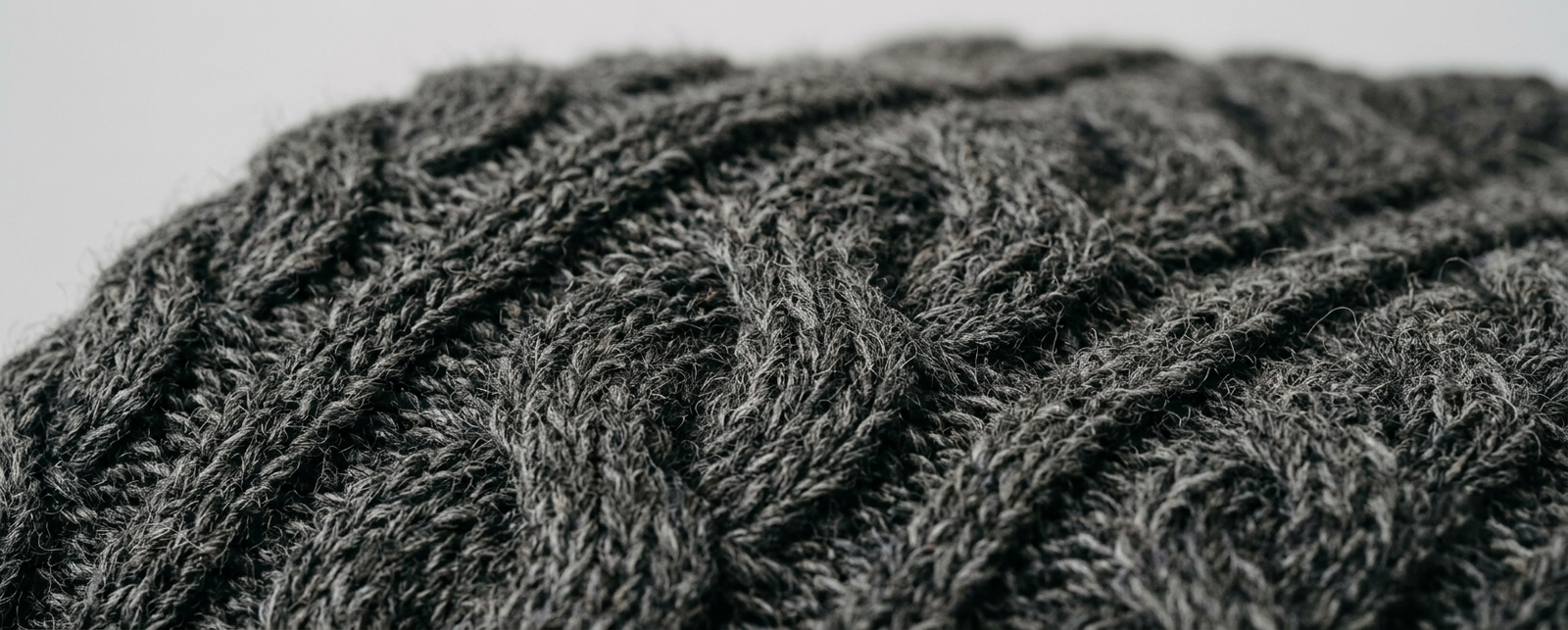
Textured knits. Cable knits, chunky ribs, waffle stitches. Think surface interest over flat jersey. 5GG and 7GG structures with visible stitch definition. The 1×1 and 2×2 rib constructions are getting more play in sleeve cuffs and hemlines — functional detail, not just decoration.
Layered silhouettes. Cardigans designed as outer layers over shirts and lightweight jackets. Longer cuts (hip-length and below), open-front constructions with multiple pockets. These work across menswear and womenswear.
Muted earth tones. The color palette is shifting away from the bright neons of 2024-2025. Think oat, charcoal, olive, brick, and navy. These colors work across acrylic, cotton, and wool blends — no special dye lots required.
5. What this means for brands and designers
The industry is moving toward smarter, faster, more sustainable production. The fundamentals haven’t changed — gauge choice, yarn selection, and spec clarity still determine how your final product turns out. But the window for getting on the production schedule is narrower than last year.
FAQ
How does smart knitting affect my MOQ?
Smart knitting lets factories switch between styles faster with digital pattern storage. At Lewen Garment, our MOQ stays at 100 pcs per style, but we can run multiple style variations in a single order without the setup downtime that used to make small runs uneconomical.
Is recycled cotton knitwear more expensive?
Yes — about 15-25% more per kg than conventional cotton yarns, depending on blend ratio and sourcing volume. The main cost driver is the yarn procurement pipeline, which runs at lower volume than standard yarns. Plan for 4-6 weeks lead time on the yarn side.
Will wool prices keep rising through 2026?
Likely yes for pure merino. Australian wool supply hasn’t grown, and transport costs remain elevated. Budget 8-12% above 2025 prices for pure merino this fall/winter. Wool blends (wool-nylon, wool-acrylic at 50/50 or 60/40) give you price stability while keeping handfeel and warmth.
What’s the best gauge for AW2026 textured knits?
5GG to 7GG for visible stitch definition (cables, ribs, waffles). For layered cardigans and open-front styles, 7GG to 12GG works better — lightweight enough for layering but structured enough to hold shape.
Why source knitwear from Dalang instead of Bangladesh or Vietnam?
Dalang has the deepest wool and specialty yarn supply chain in Asia. Bangladeshi factories excel at cotton knitwear but have minimal wool experience. For higher-gauge, fully-fashioned wool knitwear, Dalang factories — like Lewen Garment — still have a clear capability advantage.