


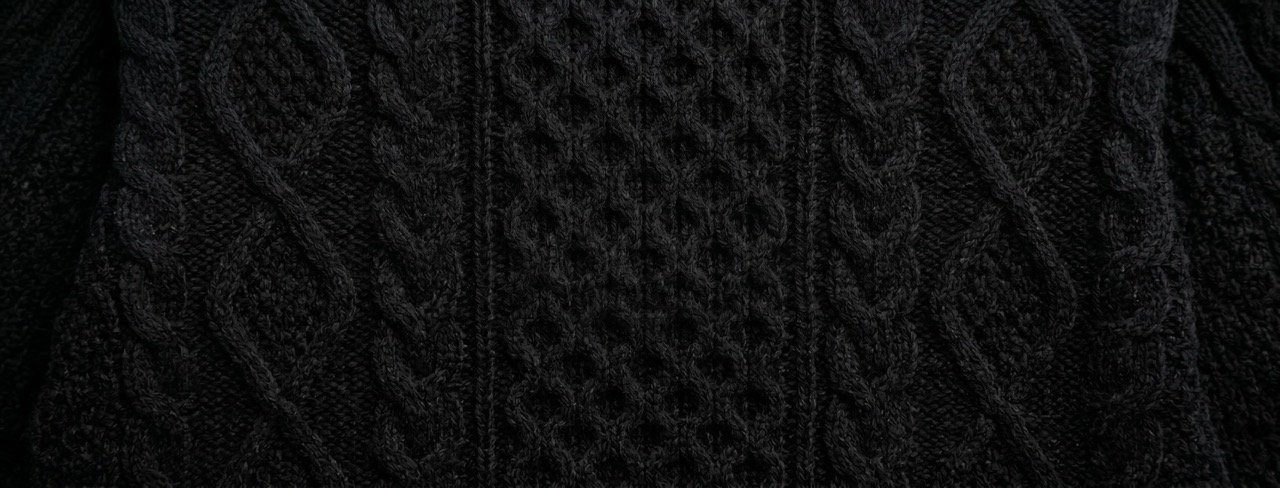
If you’re sourcing knitwear for the coming seasons, you’ve probably noticed something: the conversation has shifted. It’s no longer just about chunky sweaters or basic crewnecks. The 2026 knitwear market is rewriting expectations—driven by texture obsession, material science, and a quiet but decisive move away from seasonal thinking.
This isn’t another roundup of runway photos. This is a production-side look at what’s actually moving the needle: what brands like Miu Miu and Zegna are signalling through their collections, what fiber mills in Biella and Dalang are betting on, and what that means for buyers placing orders right now.
The 8 Trends That Matter
1. Texture Is the New Logo
In 2026, surface interest is carrying collections. Cable knits are no longer just an Irish fisherman staple—they’re showing up on Milan runways in exaggerated scale and unexpected placements. Hair textures, looped yarns, bouclé finishes, and brushed surfaces are being used not as accent details but as the main event.
On the manufacturing side, that means investment in stitch programming is paying off. Brands that can execute multiple surface structures without sacrificing gauge consistency are the ones getting repeat orders.
Production note: Textured knits demand stable yarn tension. If you’re sourcing from mills that haven’t updated their flatbed programming in the last three years, expect distortion.
2. The Argyle & Fair Isle Revival
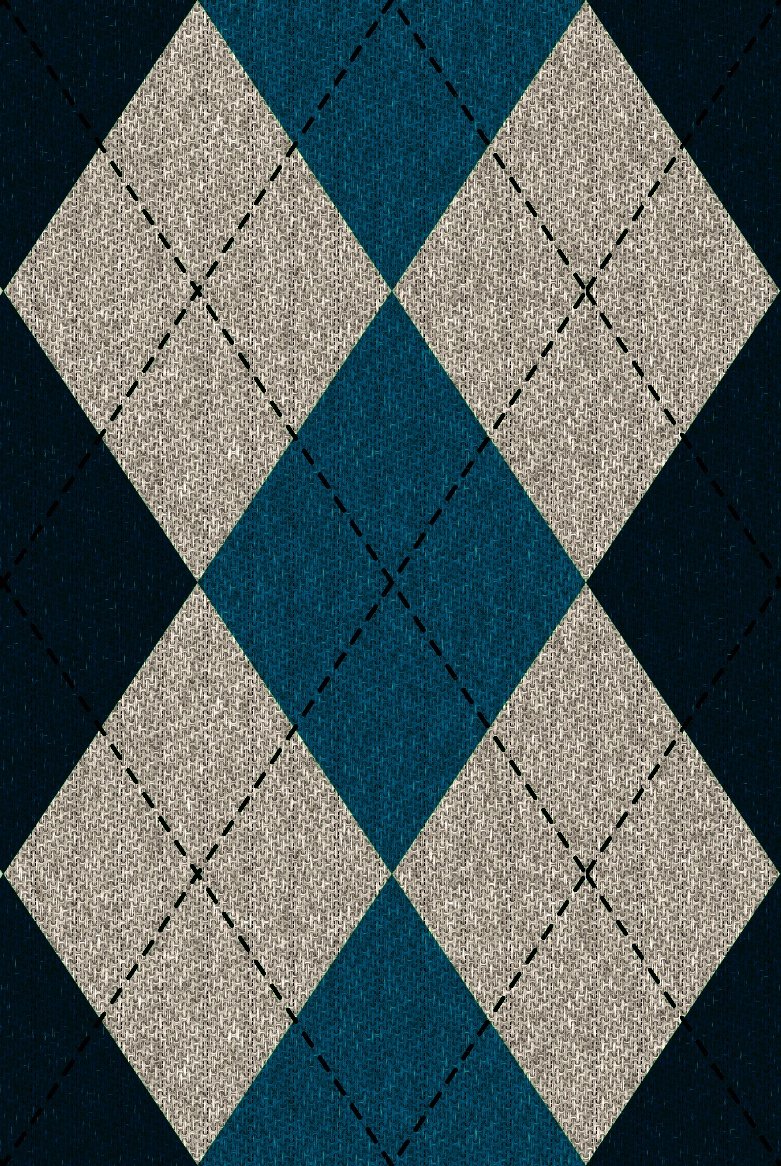
Preppy patterning is back, but it’s not your grandfather’s argyle. Both Fair Isle motifs and diamond argyle patterns are being reimagined with tonal color palettes and finer gauges. The contrast is subtler, the hand feel softer. Grazia UK featured argyle as one of the 8 defining knitwear trends for 2026, and the data backs it up—patterned knit orders are up across both men’s and women’s categories.
What’s interesting is the crossover: sportswear brands are adopting intarsia techniques, while heritage houses are experimenting with graphic flexibility. The technical demand is the same: multi-gauge capability and clean color changes.
3. Sustainable Fiber Upgrades (Not Just Marketing)

2026 marks the year “sustainable knitwear” moved from a label to a spec requirement. Merino wool has become the default for premium basics, but the real movement is in fiber innovation: recycled cashmere blends, Tencel-wool hybrids, and traceable supply chains.
In Dalang, the world’s knitwear manufacturing hub, fabric libraries now routinely include GRS-certified recycled blends and RWS-certified merino. Buyers are requesting fiber composition breakdowns at the inquiry stage, not as a post-production afterthought.
The shift you need to know: Fast fashion’s grip is loosening. Brands that can substantiate their fiber sourcing—down to the farm or recycling facility—are seeing 20–30% better conversion in the mid-premium bracket.
4. Zip-Up Knitwear & Knit Co-ords
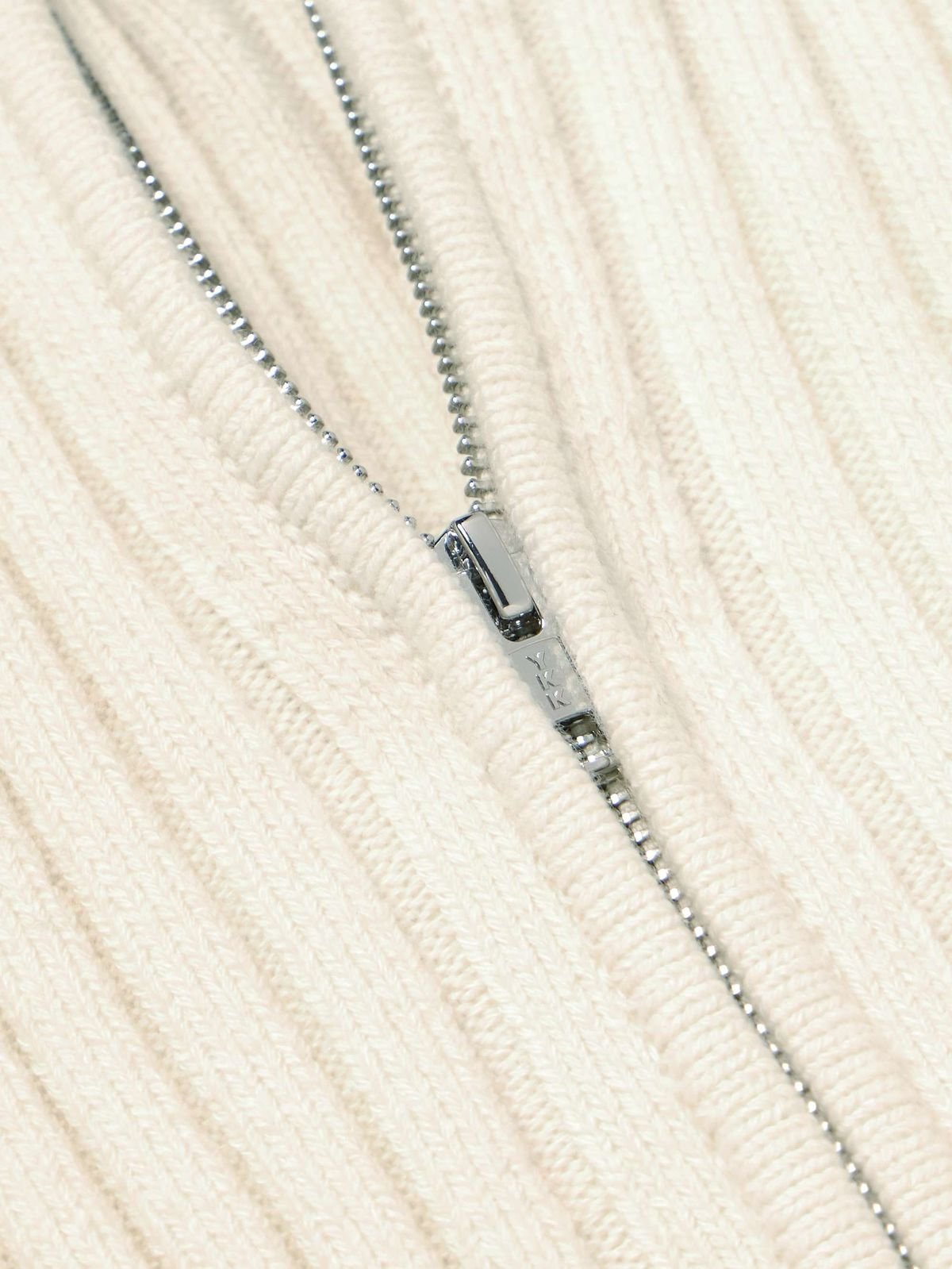
The zip-up sweater is the silhouette of 2026. It’s replacing the traditional pullover in many capsule collections, offering the convenience of layering with a sharper silhouette. Knit co-ords—matching top and bottom sets—are gaining traction as work-from-anywhere wardrobes solidify.
From a manufacturing perspective, zip-up knits require precision in placket reinforcement and zipper insertion. Not every mill handles this well. When sourcing, ask for samples that include zipper functionality testing on the finished knit structure.
5. Lightweight Performance Knits (Spring/Summer Season Expansion)
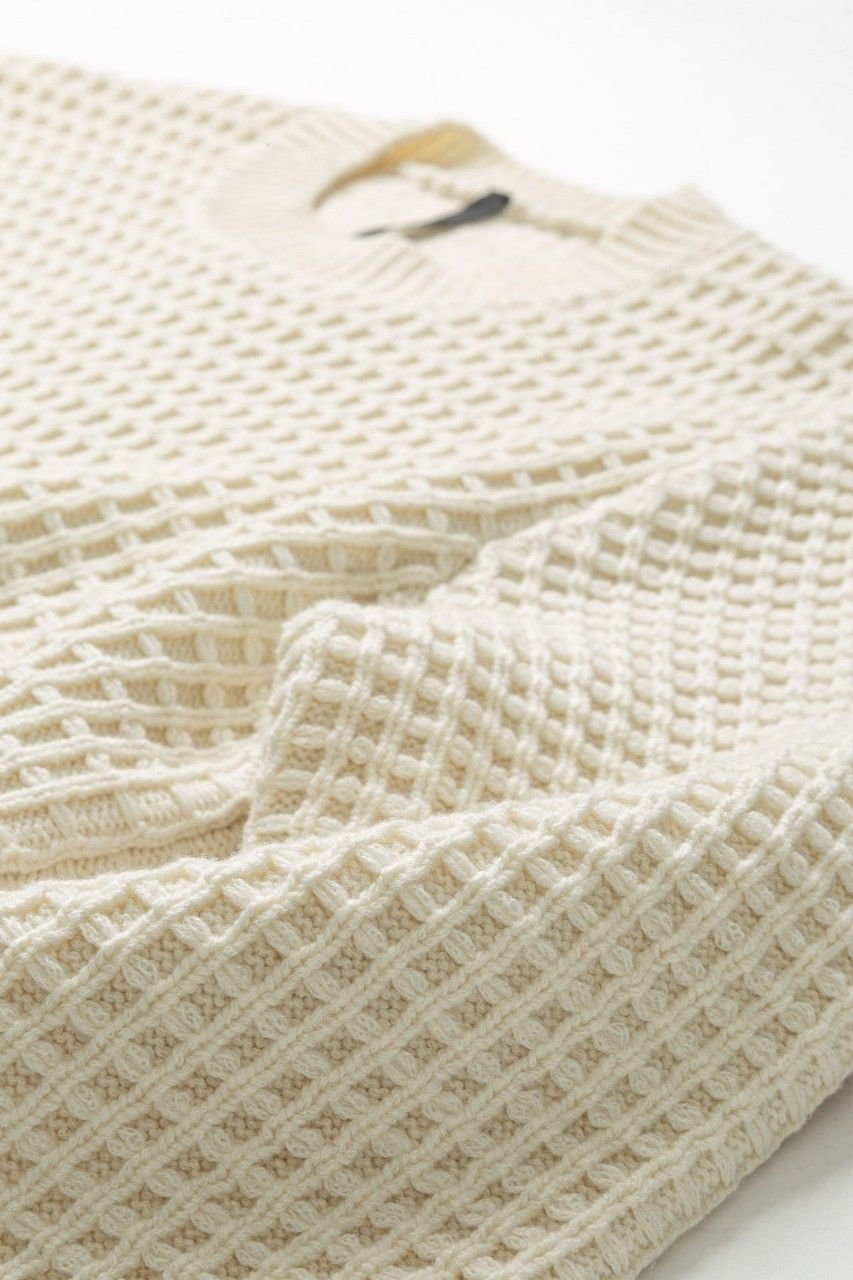
The biggest structural change in the market? Knitwear is no longer seasonal. Spring/summer 2026 saw a surge in openwork knits (lopi stitches, eyelet patterns) and mercerized cotton sweaters. Linen-wool blends are being engineered specifically for transitional wear, with moisture-wicking and breathability specs borrowed from performance apparel.
This is a sea change for manufacturers who relied on Q3-Q4 peaks. Factories that have invested in 12–14gg flatbed machines can now produce year-round lightweight knits at competitive price points.
6. Quiet Luxury Texture: Minimal Silhouettes, Maximum Hand Feel
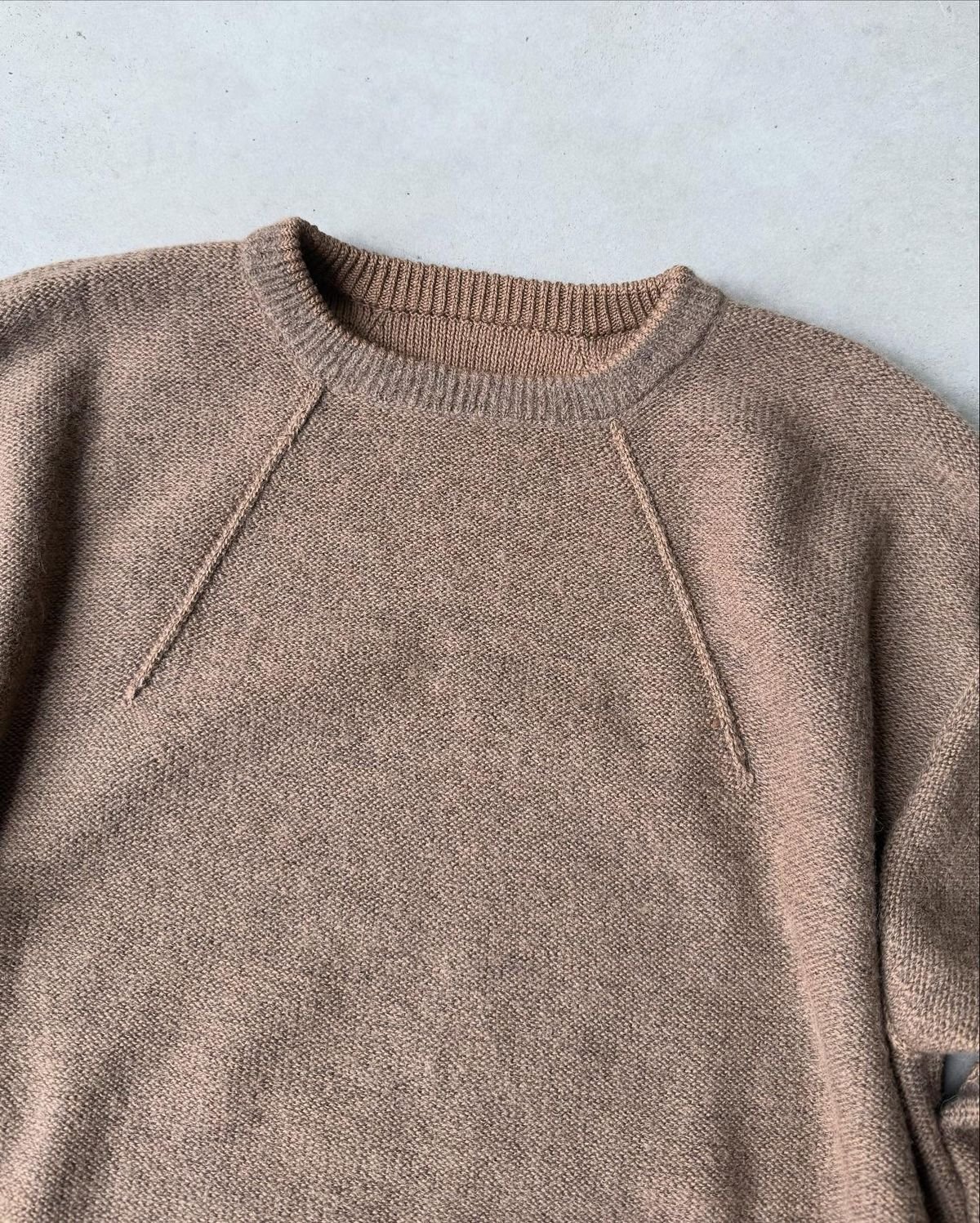
The “quiet luxury” trend isn’t going anywhere—but in 2026, it’s expressing itself through touch rather than silhouette. Clean, simple shapes (round-neck sweaters, open cardigans, relaxed crewnecks) executed in exceptional yarns. Think baby cashmere, ultrafine merino (2/60Nm and above), and silk-wool blends.
The trap for brands: simple shapes leave zero room for construction flaws. Every uneven stitch, every tension inconsistency is visible. Manufacturers with a tight quality assurance process and experience in luxury-tier finishes are the ones winning these contracts.
7. Color: Cedar Browns, Pastel Accents, and Undyed Naturals
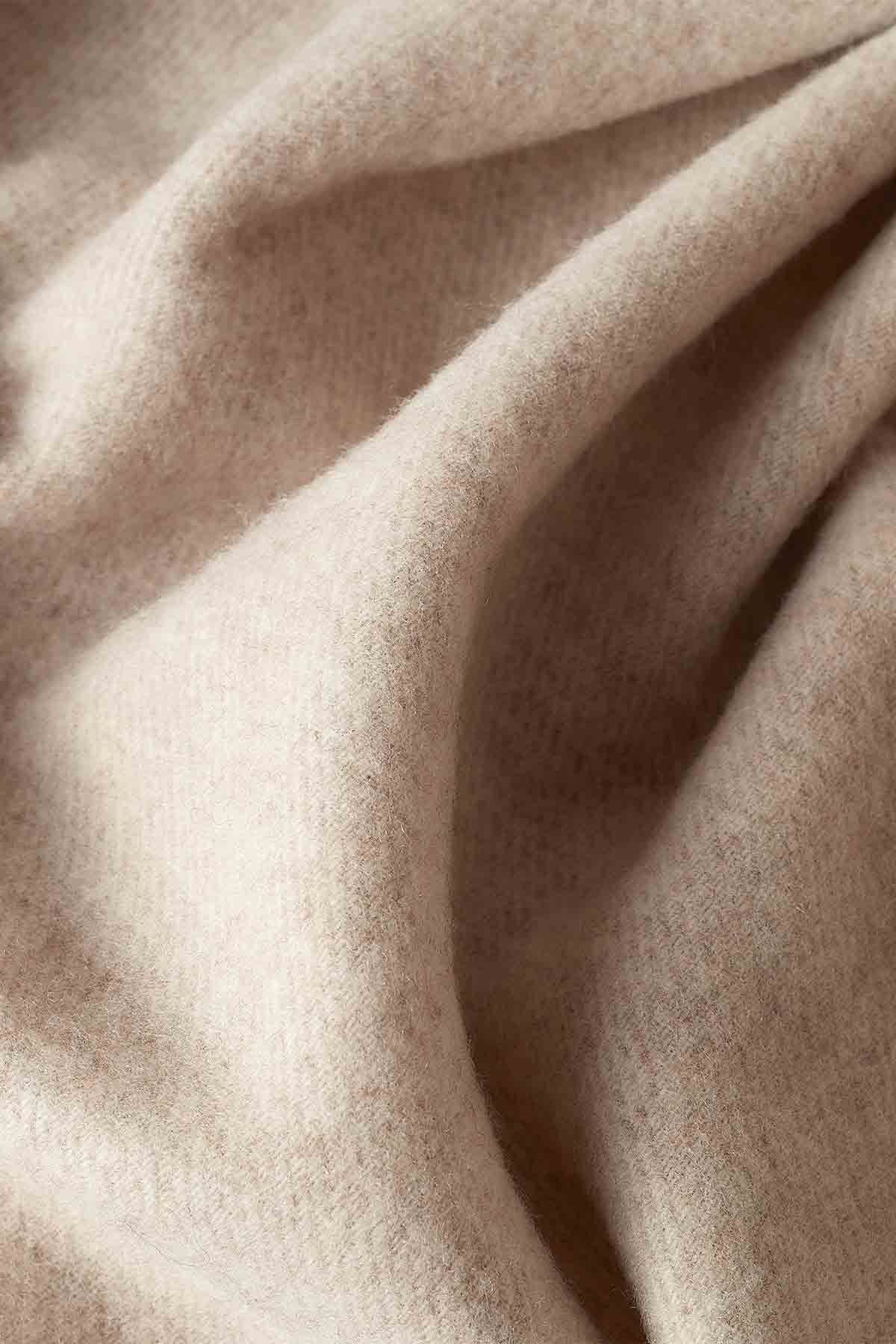
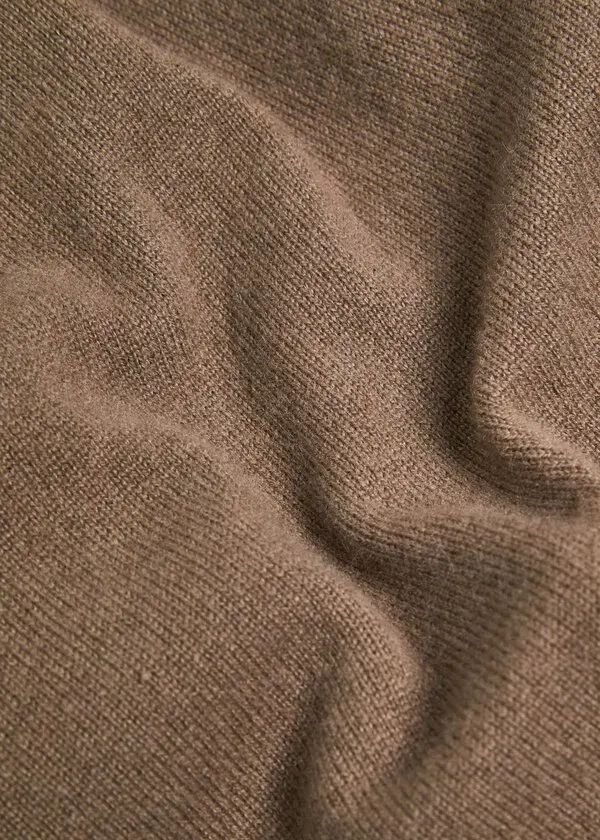
The color direction for AW26 is earth-rooted. Cedar browns, charcoal neutrals, and deep forest tones dominate fall/winter palettes. But the surprise hit is pastel—Miu Miu’s pastel sweaters were one of the most-covered pieces of the year, reportedly influencing demand across all price tiers.
On the opposite end, undyed natural wool colors are gaining traction with sustainability-driven brands. No dye means reduced water usage—and a unique value proposition for the end consumer.
8. Digital Knitting & Sampling Innovation

Digital knitting technology—seamless whole-garment machines, 3D virtual sampling, and AI-assisted pattern grading—is shortening lead times across the board. Brands that used to wait 4–6 weeks for a physical sample are now receiving photorealistic digital prototypes within days.
This doesn’t replace physical quality checks, but it dramatically reduces the sampling loop. For custom knitwear orders, especially when developing new silhouettes, digital-first sampling can cut the development phase by 40%.
The catch: it requires upfront investment in compatible machine programming. Factories slow to adopt digital workflows are being filtered out of premium supply chains.
Why This Matters for Your Supply Chain
The 2026 knitwear market isn’t just about which pattern is trending. It’s a structural shift:
– Barriers to entry are higher for manufacturers without gauge versatility
– Fiber traceability is no longer optional for premium buyers
– Seasonless production is the new normal, requiring year-round capacity
– Quality consistency is rewarded more than volume throughput
For brands and buyers, the right manufacturing partner is the one who can execute across multiple gauges, certify their fiber sources, and deliver consistent finish quality across repeat orders.
FAQ
What is the biggest knitwear trend for 2026?
Texture-led minimalism. Brands are investing in exceptional yarn quality and surface interest rather than logo-heavy designs. Cable knits, hair textures, and bouclé finishes define the aesthetic, while clean silhouettes let the material speak.
Is merino wool still trending for 2026?
Yes, and it’s stronger than ever. Merino wool sweaters remain a core category because of their versatility, breathability, and compatibility with sustainable sourcing certifications. The demand has shifted to ultrafine counts (2/60Nm and above) for next-to-skin comfort.
How are sustainability requirements changing knitwear production?
Buyers now routinely request GRS, RWS, and OCS certifications at the inquiry stage. Fiber composition disclosure, recycled content percentages, and traceability documentation have moved from nice-to-have to mandatory for mid-premium and luxury orders.
What manufacturing capabilities are most in demand for 2026?
Multi-gauge flatbed machines (7gg to 16gg), seamless whole-garment knitting capability, digital sampling workflows, and the ability to execute complex stitch structures (intarsia, cable, Fair Isle) across both standard and blended yarns.
Can knitwear be produced year-round now?
Absolutely. Lightweight knitwear—openwork cottons, mercerized sweaters, linen-wool blends—is driving spring/summer demand. Manufacturers with finer-gauge machines (12–14gg) are best positioned for this shift toward seasonless production.