


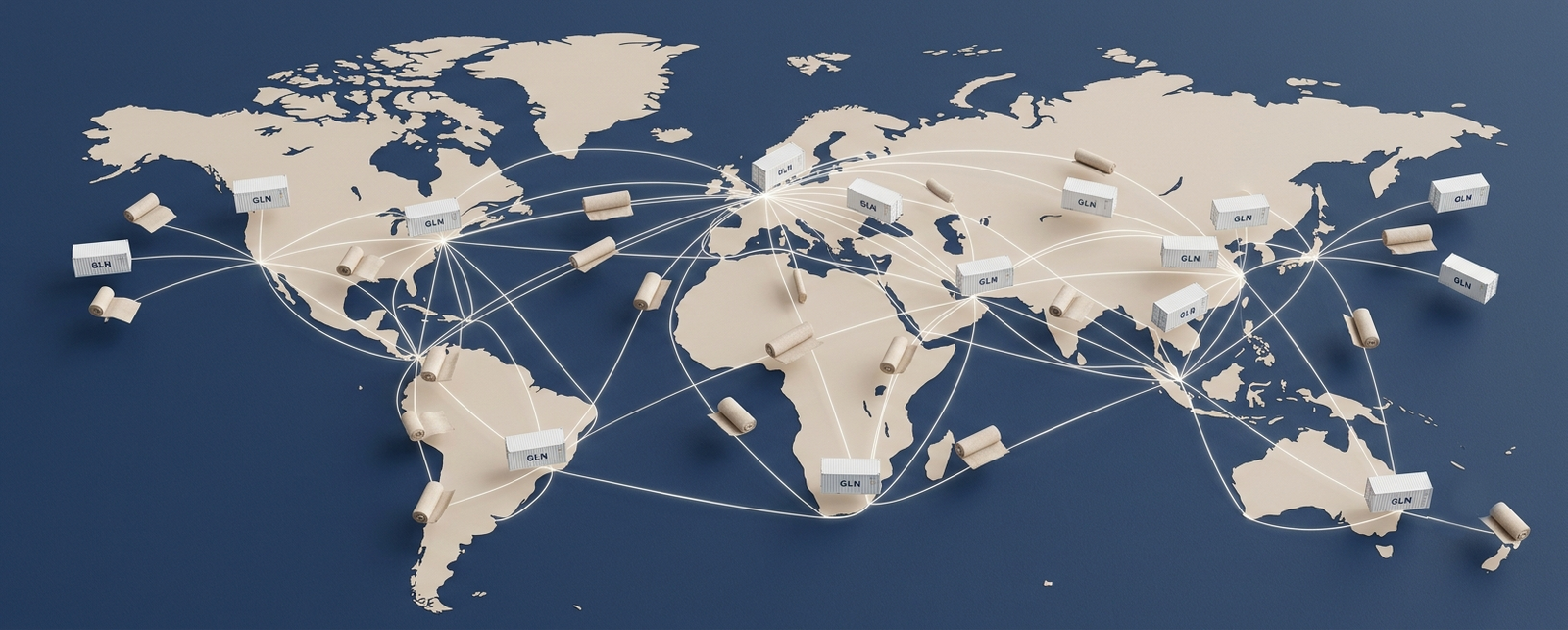
If you’re sourcing knitwear right now, you’ve probably noticed things aren’t what they were a year ago. Trade data from the first half of 2026 tells the story — China’s textile and apparel exports hit $146 billion, up slightly from last year, but the margins are getting tighter. Meanwhile, Vietnam, Bangladesh, and India are picking up pieces of the global apparel pie that China’s losing.
This article breaks down what’s actually happening in the numbers and what it means for brands buying custom knitwear.
China’s $146 bn H1 — stable volume, shrinking margins
China’s textile and apparel exports reached $146 billion in the first half of 2026, according to Fibre2Fashion data from July 24. That’s a modest increase. But here’s the thing: a recent Fibre2Fashion analysis (July 27) reports China lost about $1 billion in apparel export value specifically, and the squeeze on margins is getting worse.
What’s happening? Two things:
- China’s share of US apparel imports keeps dropping. FashionNetwork reports this trend continuing through 2026. Brands that used to source 60-70% from China are now splitting orders across 3-4 countries.
- Unit prices are under pressure. More competition from Bangladesh and Vietnam means Chinese factories can’t raise prices the way they used to.
For knitwear specifically, this means Chinese manufacturers are focusing on what they still do best — higher-gauge, technically complex knits where speed and quality still justify the price. Simple bulk orders (basic 7-gauge crewnecks, plain cardigans) are moving to Bangladesh and Vietnam faster than ever.
Bangladesh takes the #2 spot in the US market
In April 2026, Bangladesh officially became the second-largest apparel supplier to the US market, overtaking Vietnam in some categories. The Business Standard and Textile Today both covered this shift.
For knitwear, this matters because Bangladesh has been building its sweater manufacturing capacity for years. It’s not just T-shirts and woven shirts anymore. Factories in Dhaka and Chittagong are running Shima Seiki and Stoll machines, producing 12-gauge and 14-gauge knits that compete directly with Chinese production.
But here’s the catch that brands need to know:
Bangladesh may face 10% more US tariffs on exports, according to The Daily Star (June 2026). The tariff uncertainty is already slowing orders — Textile Today reported in February that buyers are delaying decisions.
That tariff question hasn’t been resolved. It means Bangladesh’s price advantage could shrink overnight if the 10% hits. Smart brands aren’t putting all their eggs in that basket.
Vietnam: top exporter, higher tariff risk
Vietnam is now the world’s top apparel exporter by volume, but Reuters reported on July 24 that it faces higher US tariffs than its competitors. Vietnam Briefing’s January analysis noted investment in Vietnam’s textile and garment sector is strong, but the tariff differential is real.
For knitwear sourcing, Vietnam’s strengths are in woven and jersey knits rather than fully-fashioned sweaters. The technical knitwear market (12-gauge and above) is still dominated by China, with Bangladesh coming up fast.
What this means for brands sourcing custom knitwear
Four things worth paying attention to:
1. Tariff uncertainty is the new normal.
2. China still has technical advantages.
3. Smart knitting tech is changing the game.
4. MOQ pressure is real on both sides.
Where Lewen Garment fits
Lewen Garment has been in Dongguan since 2002 — right in the heart of the Pearl River Delta knitwear supply chain. We run 3-gauge, 5-gauge, 7-gauge, 9-guage, 12-gauge, 14-guage and 16-gauge machines with a 100-piece MOQ for custom knitwear. Our position in China means we have direct access to the same specialty yarn suppliers and machine technicians that the big factories use, but we keep order sizes manageable for independent brands and small design studios.
If you’re planning a knitwear collection and the tariff/supply chain picture is making you hesitate — that’s normal. The smart move is to find a manufacturer who can flex with you, not lock you into a country-dependent strategy.
FAQ
Why are brands shifting knitwear sourcing away from China in 2026?
China’s textile and apparel exports reached $146 billion in H1 2026, but margins continue to shrink. The country lost roughly $1 billion in apparel export value specifically. Its share of US apparel imports keeps dropping as brands diversify — many that sourced 60-70% from China now split orders across 3-4 countries. For basic knitwear items like 7-gauge crewnecks and plain cardigans, Bangladesh and Vietnam offer lower unit prices, though China still leads for technically complex knits.
How do current US tariffs affect sourcing decisions for knitwear brands?
Tariff uncertainty is the defining factor in 2026 sourcing strategy. Bangladesh may face an additional 10% US tariff (The Daily Star, June 2026), Vietnam already faces higher tariffs than competitors (Reuters, July 24), and China’s tariff status remains volatile. Any of these could shift cost equations overnight. Smart brands build multi-country sourcing strategies rather than betting on any single country’s tariff status.
What MOQ should I expect when sourcing custom knitwear in 2026?
Minimum order quantities are rising across the board. Chinese factories that once accepted 200-piece MOQs are now raising minimums to 500-1000 pieces because margins are thin. Bangladesh factories often start at 1000+. Smaller brands should look for manufacturers that run both domestic and export business — they can combine your order with local production to meet minimums. Lewen Garment, for example, maintains a 100-piece MOQ on 5/7/9/12/14-gauge knits.
Is China still competitive for custom knitwear in 2026, or should I switch entirely?
China remains competitive for high-gauge technical knits (14-gauge and above), complex jacquards, and fast-turnaround sampling. The reason isn’t cost — it’s that the supply chain for specialty yarns, machine parts, and skilled technicians is concentrated in the Pearl River Delta and Yangtze River Delta, a density Bangladesh and Vietnam haven’t yet matched. For brands needing quick samples, short lead times, or technically challenging knits, China still offers advantages you can’t easily replicate elsewhere.