

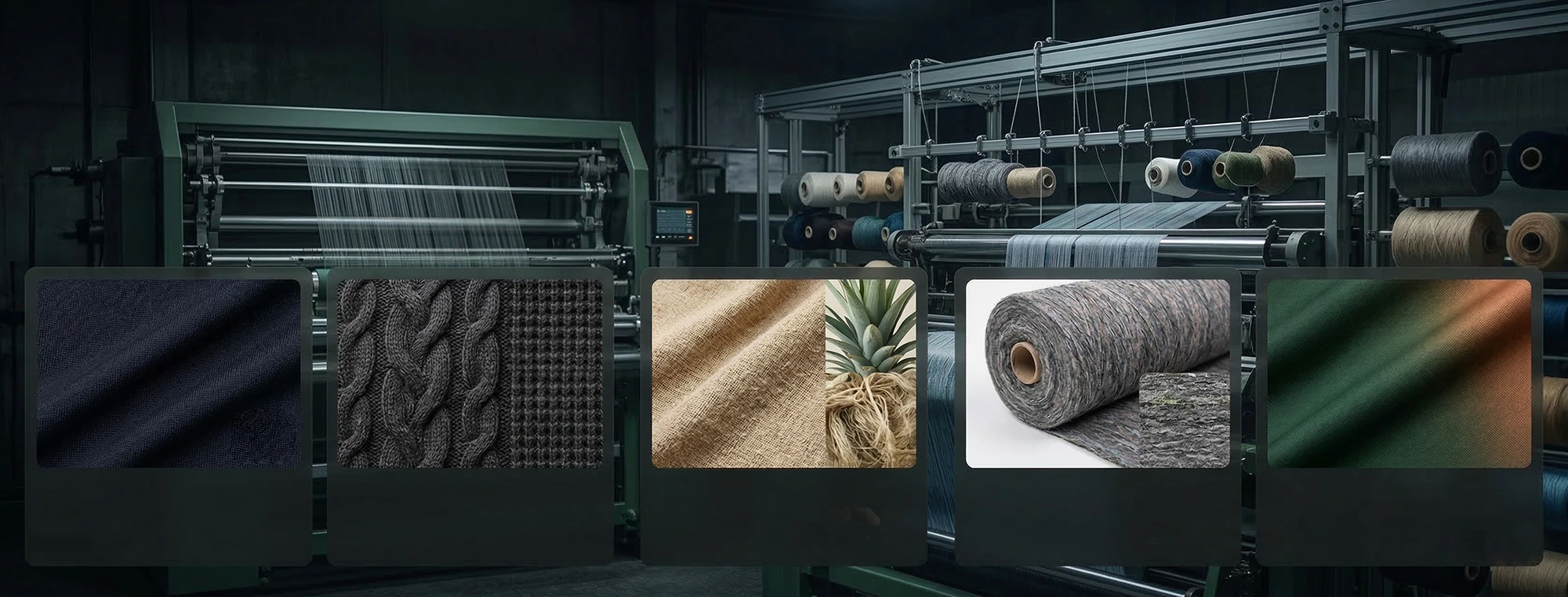
Consumer expectations for men’s knitwear are changing. The focus has shifted from basic aesthetics to a demand for comfort, durability, and environmental responsibility. Based on recent Google Search Trends and 2025/2026 forecasting reports from textile authorities like Première Vision and POP Fashion, we have summarized the top 5 fabric trends for the men’s knitwear market in 2026.
Here is exactly what the market is looking for.
Overview
| Fabric | Key Feature |
| Intelligent Performance Blends | soft hand-feel, breathability, moisture-wicking, shape retention |
| 3D Textured Knits | richer visual impact and increase the weight |
| Bio-Based Alternative Fibers | natural, slightly dry, linen-like texture |
| 100% Closed-Loop Recycled Yarns | natural melange/slightly distressed texture |
| Heat-Reactive & Tech-Integrated Fabrics | absorbing excess heat or releasing it when cold |
1. Intelligent Performance Blends (Climate-Control Yarns)
Traditionally, 100% pure wool was the standard for premium knitwear. In 2026, the market is shifting toward “smart blends” that offer cross-seasonal wearability.
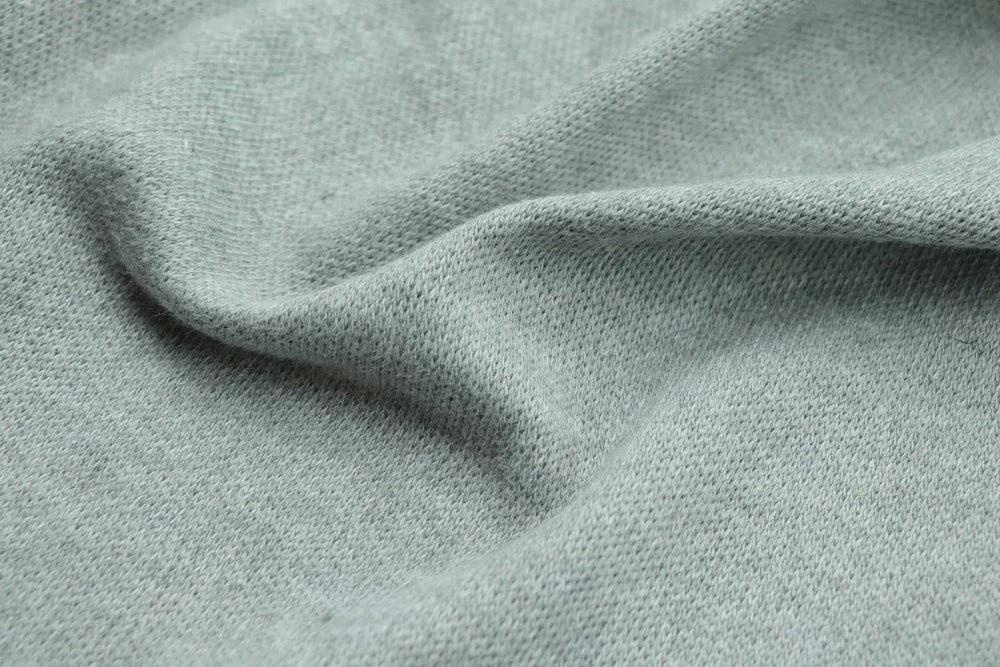
The Trend: Manufacturers are blending traditional merino wool with fibers like Tencel™, recycled nylon, or cooling yarns.
Fabric Advantages: These blends maintain the soft hand-feel of wool but significantly improve breathability, moisture-wicking, and shape retention. This makes the knitwear comfortable even in warmer seasons or heated indoor environments.
Data Sources:
- Google Trends: Search interest for “merino blend” and “cooling sweater” has shown steady upward momentum over the past 12 months as buyers look for functional daily wear. (View Google Trends Data)
- Première Vision Paris 2026: The SS27 and AW26/27 reports highlight “climate-control wools” and hybrid blends as key drivers for functional menswear. (Source: The Textile Magazine PV 2026 Report)
2. 3D Textured Knits
After years of smooth, minimalist flat knits, there is a massive resurgence in tactile, sensory surfaces.
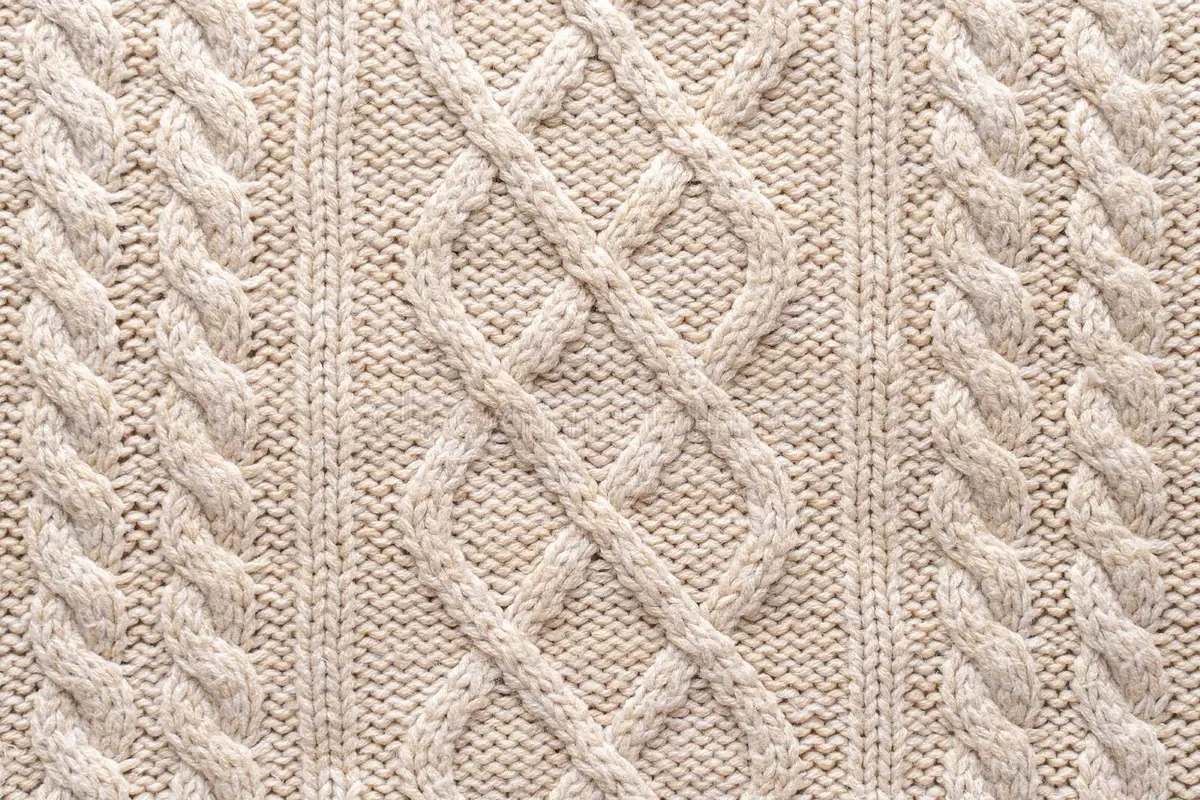
The Trend: Fabrics with pronounced bumps, ridges, and textures are a major focus for 2026. This includes chunky cable knits, waffle knits, wide ribbing, and herringbone jacquards.
Fabric Advantages: 3D textures break the monotony of solid colors. They provide a richer visual impact and offer a thicker, cozier feel without necessarily increasing the garment’s weight.
Data Sources:
- Google Trends: Queries for “waffle knit shirt” and “chunky knit cardigan mens” experience consistent seasonal spikes, with a higher baseline year over year. (View Google Trends Data)
- Archive Market Research: The latest men’s knitwear forecast notes that “textured knits” and “waffle knits” are essential for merging style with modern functionality. (Source: Archive Market Research)
3. Bio-Based Alternative Fibers
Sustainability is no longer just a marketing option; it is a strict sourcing requirement. In 2026, the variety of plant-based alternative fibers is expanding rapidly.
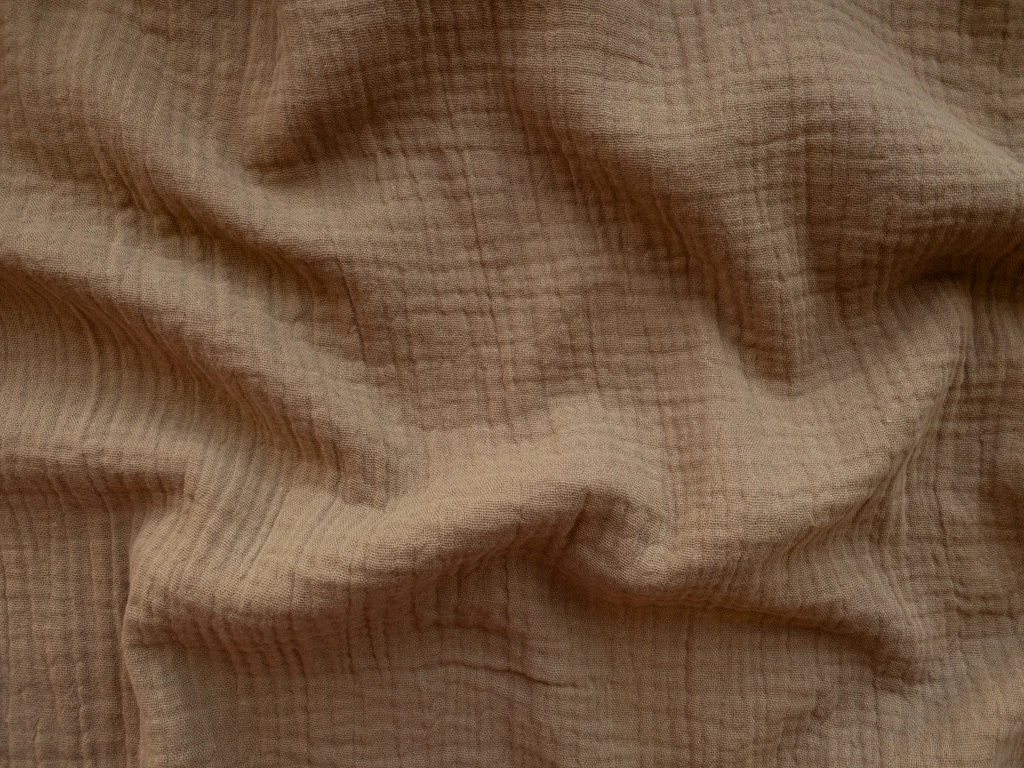
The Trend: Moving beyond just organic cotton or linen, fibers extracted from agricultural waste are entering the mainstream knitwear market. This includes yarns spun from pineapple leaves, hemp extracts, or banana tree stems.
Fabric Advantages: These fibers reduce reliance on petroleum-based synthetic materials. They also give knitwear a natural, slightly dry, linen-like texture, which is highly suitable for men’s spring/summer cardigans or polo shirts.
Data Sources:
- Google Trends: The search term “plant based clothing” has seen a notable and steady increase in search volume globally. (View Google Trends Data)
- Première Vision SS26 Decodings: The “Eco-innovation” theme explicitly highlights sustainable materials derived from agricultural and organic alternatives. (Source: Première Vision)
4. 100% Closed-Loop Recycled Yarns
The circular economy in the apparel industry has matured, and technologies for recycling old garments are now widely applied in commercial knitwear.
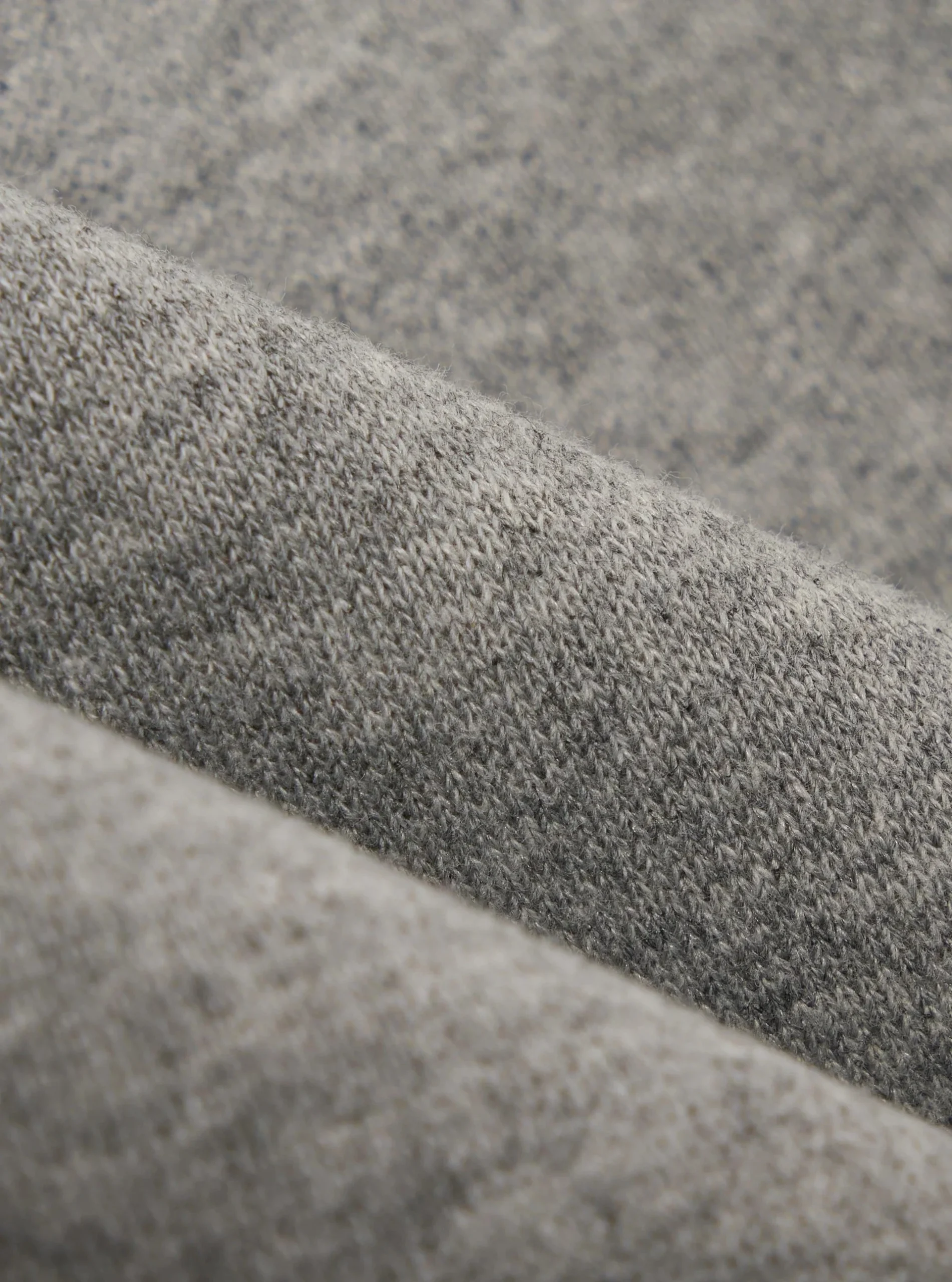
The Trend: Yarns made from 100% post-consumer recycled materials are highly sought after. This includes recycled cotton stripped from denim scraps and recycled lightweight wool.
Fabric Advantages: These fabrics often feature a natural melange (mixed color) or a slightly distressed texture. They lower carbon footprints and usually come in versatile colors like grey, sand, or earth tones, fitting the menswear demand for durable, everyday basics.
Data Sources:
- Google Trends: Searches for “recycled wool” and “recycled cotton sweater” continue to grow as consumers actively look for ethical purchasing options. (View Google Trends Data)
- Heuritech PV 2026 Insights: Data-backed insights confirm a market-wide shift toward measurable sustainability and circular economy practices in textile sourcing. (Source: Heuritech)
5. Heat-Reactive & Tech-Integrated Fabrics
The boundary between technology and everyday apparel is disappearing. Smart, temperature-sensitive fabrics are moving from outdoor activewear into casual daily knitwear.
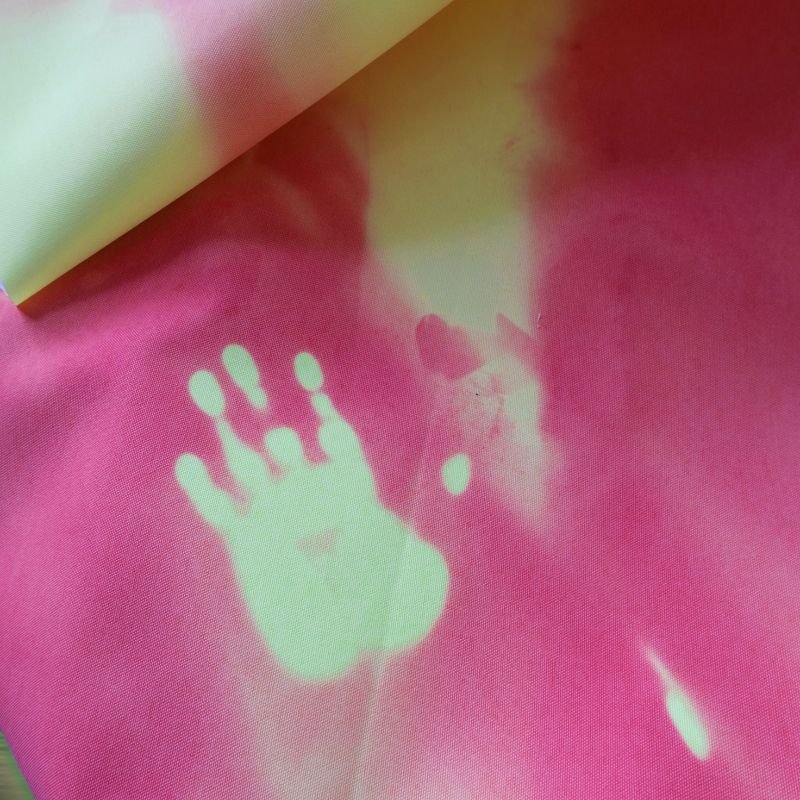
The Trend: Yarns containing thermochromic dyes or micro-encapsulated temperature-regulating materials are being woven directly into garments.
Fabric Advantages: These materials actively manage body heat—absorbing excess heat or releasing it when cold. For male consumers who favor techwear or utilitarian styles, this provides a highly functional wearing experience.
Data Sources:
- POP Fashion 2026/27AW: Their “Tech-Driven Sustainable Innovation” report emphasizes fabrics that combine environmental awareness with advanced functional tech. (Source: POP Fashion)
- Google Trends: Queries around “smart fabric” and “temperature control clothing” show a rising curve, especially in the active and casual menswear sectors. (View Google Trends Data)
Summary
The core of 2026 men’s knitwear fabric trends lies in “functional blends,” “sensory textures,” and “proven sustainability.” For consumers, this means future knitwear will be more comfortable, durable, and easier to maintain.