


If you’re a brand or designer sourcing lightweight knitwear for spring/summer — knitted polos, fine-gauge crewnecks, cardigans and knit tops — the yarn choice decides everything. A polo can land anywhere between $8 and $35 FOB depending on which fiber you pick — and picking wrong means your garment either feels too heavy for the season or looks cheap on a hanger.
Here’s a breakdown of the fibers that actually work for lightweight knitwear in warm weather. No fluff. A polo is the hardest test case for these yarns, so the advice leads with polos — the same fibers run fine-gauge crewnecks, cardigans and knit tops.
1. Cotton — the baseline

Cotton is the default yarn for lightweight knitwear for a reason. How it compares with wool is set out in cotton vs wool knitwear. It breathes, it takes dye well, and every knitter in the industry knows how to run it on a flat knitting machine.
What gauge works
For spring/summer lightweight knitwear, 12-gauge to 16-gauge is the sweet spot. The step from 12GG to 14GG is compared in 12GG vs 14GG knitwear. Anything below 12-gauge (like 7-gauge or 9-gauge) produces a fabric that’s too thick and open — fine for heavy winter sweaters but wrong for lightweight spring/summer knitwear. 16-gauge gives you a finer, tighter knit that drapes better.
Yarn count matters
A 2/32Nm or 2/48Nm combed cotton yarn will knit up at 12 or 14 gauge into a fabric around 220–280 gsm — light enough for spring, wearable through early summer. For deeper summer, drop to 16-gauge with a finer 2/60Nm yarn to hit 180–200 gsm.
The mercerized option
Mercerized cotton goes through a caustic treatment that increases luster, improves dye uptake, and adds strength. It’s the standard for branded polo shirts. If your client wants a “premium hand feel,” go with mercerized combed cotton.
GTM search volume: “cotton knit polo” (high), “mercerized cotton polo” (medium), “pima cotton polo shirt” (medium-high)
2. Cotton-linen blend — the practical hybrid
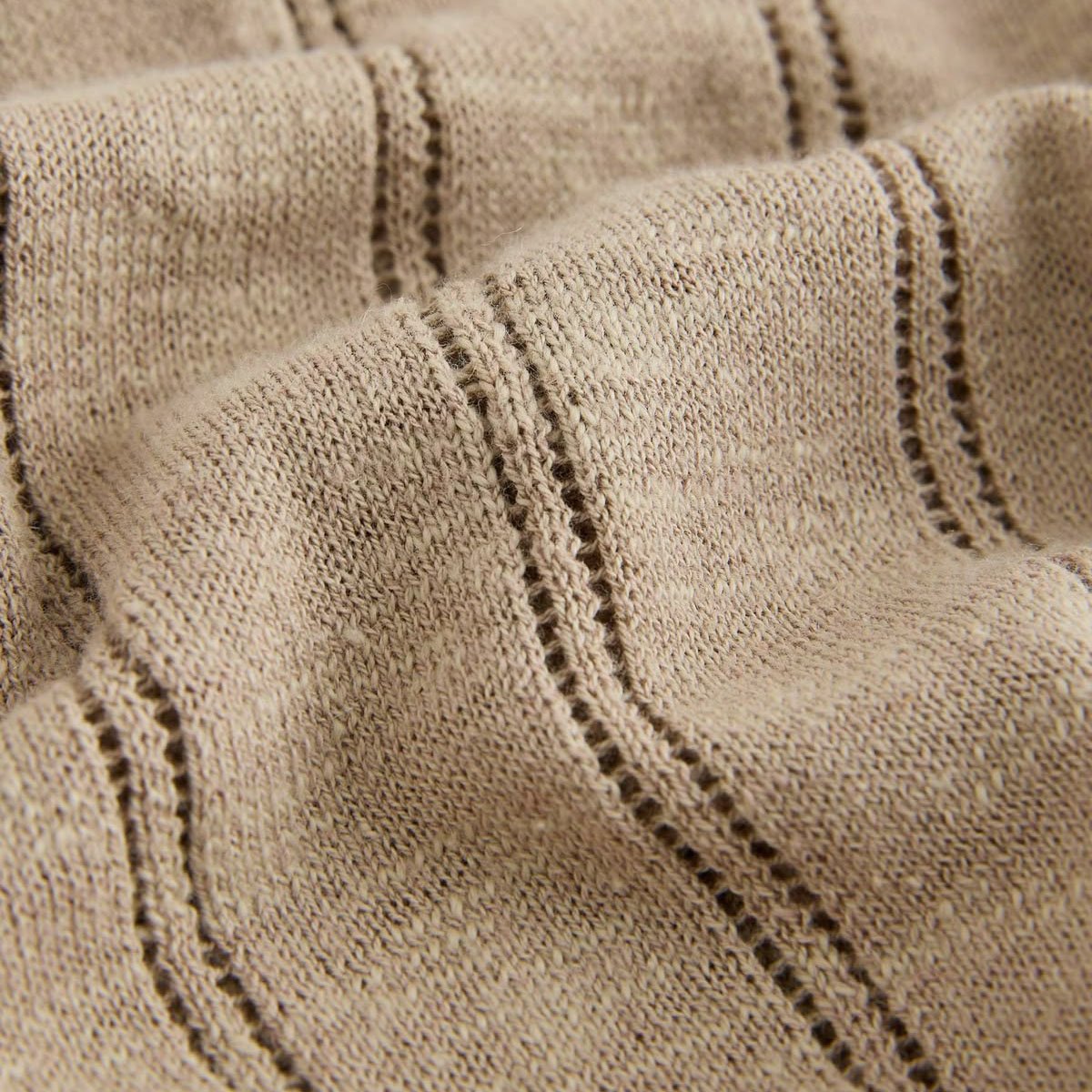
Linen by itself is a nightmare on knitting machines — it has no elasticity and breaks constantly. That’s why linen is almost always blended with cotton for lightweight knitwear.
The standard ratio
A 70% cotton / 30% linen blend is common. You get the airy, textured hand of linen with enough cotton to prevent yarn breakage during knitting. This blend usually runs on 12-gauge at 250–270 gsm.
What you trade
Linen wrinkles more than cotton. That’s not necessarily bad — the “lived-in look” is part of linen’s appeal. But if your client is a corporate uniform buyer who wants crisp polos, stick to cotton.
Seasonality
Cotton-linen is pure spring/summer. Below 20°C it feels cold against skin. Above 30°C it still breathes. It’s a niche but loyal category.
GTM search volume: “cotton linen knit polo” (medium), “linen blend knitwear” (growing since 2024)
3. Cotton-silk blend — the luxury tier
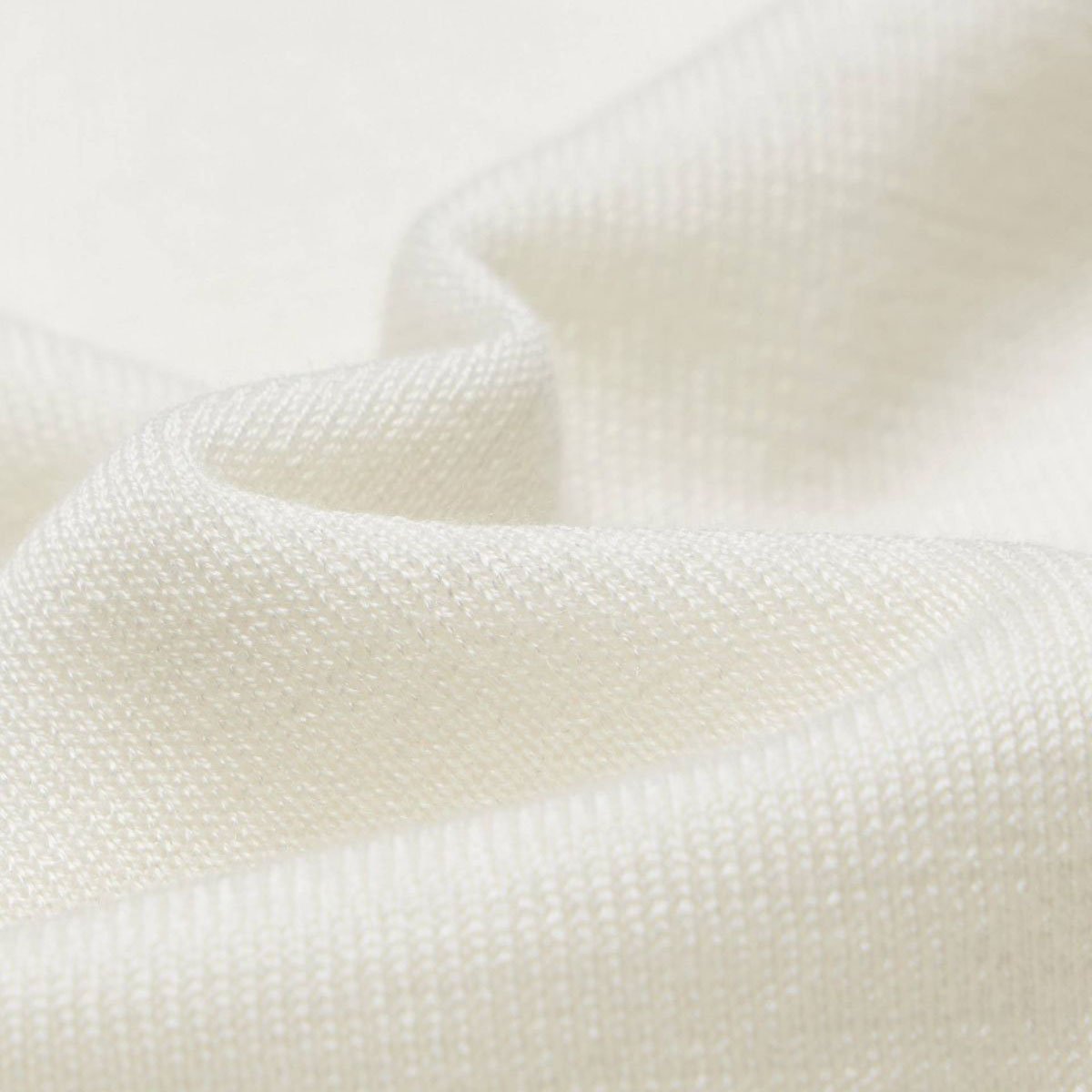
Silk is expensive and rare in knitting yarns. But a small percentage — even 10–15% — changes how a fine-gauge knit looks and feels.
The blend
A 85% cotton / 15% silk blend at 2/48Nm gives you a fabric with visible sheen and a smoother handle than plain cotton. It knits best at 14 or 16 gauge. Finished fabric weight stays around 200–240 gsm.
Cost reality
Silk content adds roughly $3–6/kg to yarn cost depending on market prices. For a polo of around 220g in size M, that’s $0.70–1.30 extra in raw materials before knitting and make. Your FOB price moves up $2–4.
Who buys it
Premium menswear brands, golf apparel, and any client selling direct-to-consumer at $150+ retail. Below that price point, the margin math doesn’t work.
GTM search volume: “cotton silk knit polo” (low but high conversion), “silk blend knitwear manufacturers” (niche)
4. Viscose blends — budget-friendly, good drape
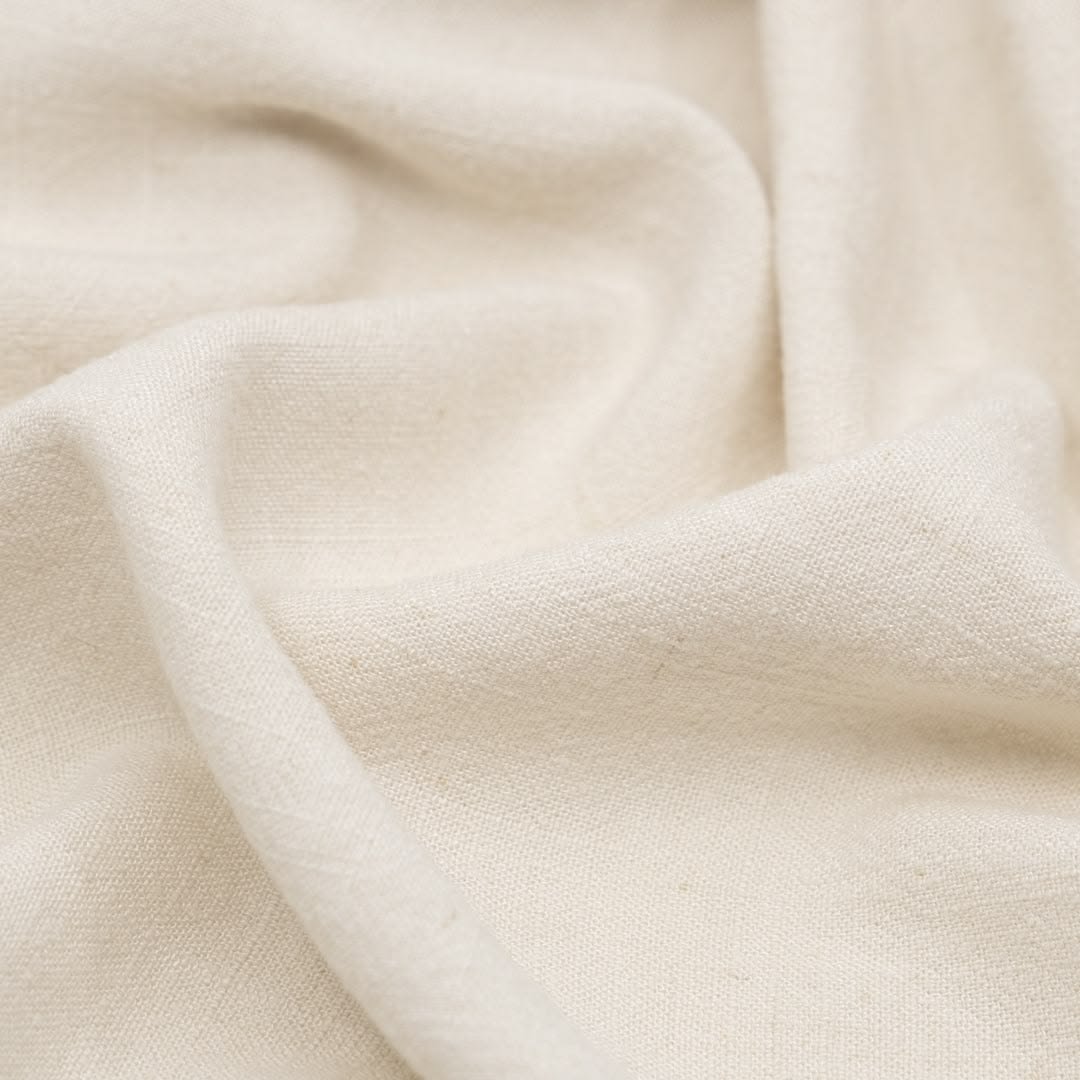
Viscose (rayon) is the most affordable way to add a soft, fluid hand to lightweight knitwear. It’s a regenerated cellulose fiber — technically plant-based but chemically processed.
Common blends
- 50% viscose / 50% cotton — most common. Soft hand, decent breathability. Knits at 12–14 gauge.
- 60% viscose / 40% polyester — cheaper, more durable, less breathable. Popular in mid-range fast fashion.
The problem with viscose
Viscose loses strength when wet. For a lightweight knit that’ll see sweat and frequent washing, that’s a downside. It also pills faster than cotton. You can mitigate with anti-pilling finishes, but that adds cost.
Where it fits
If your client needs an economical lightweight knit for a fast-fashion chain, viscose blends are the realistic option. It won’t compete with cotton on durability, but the price difference is hard to argue against.
GTM search volume: “viscose knit polo shirt” (medium), “viscose cotton blend yarn” (medium)
5. Tencel / Lyocell — the sustainable alternative
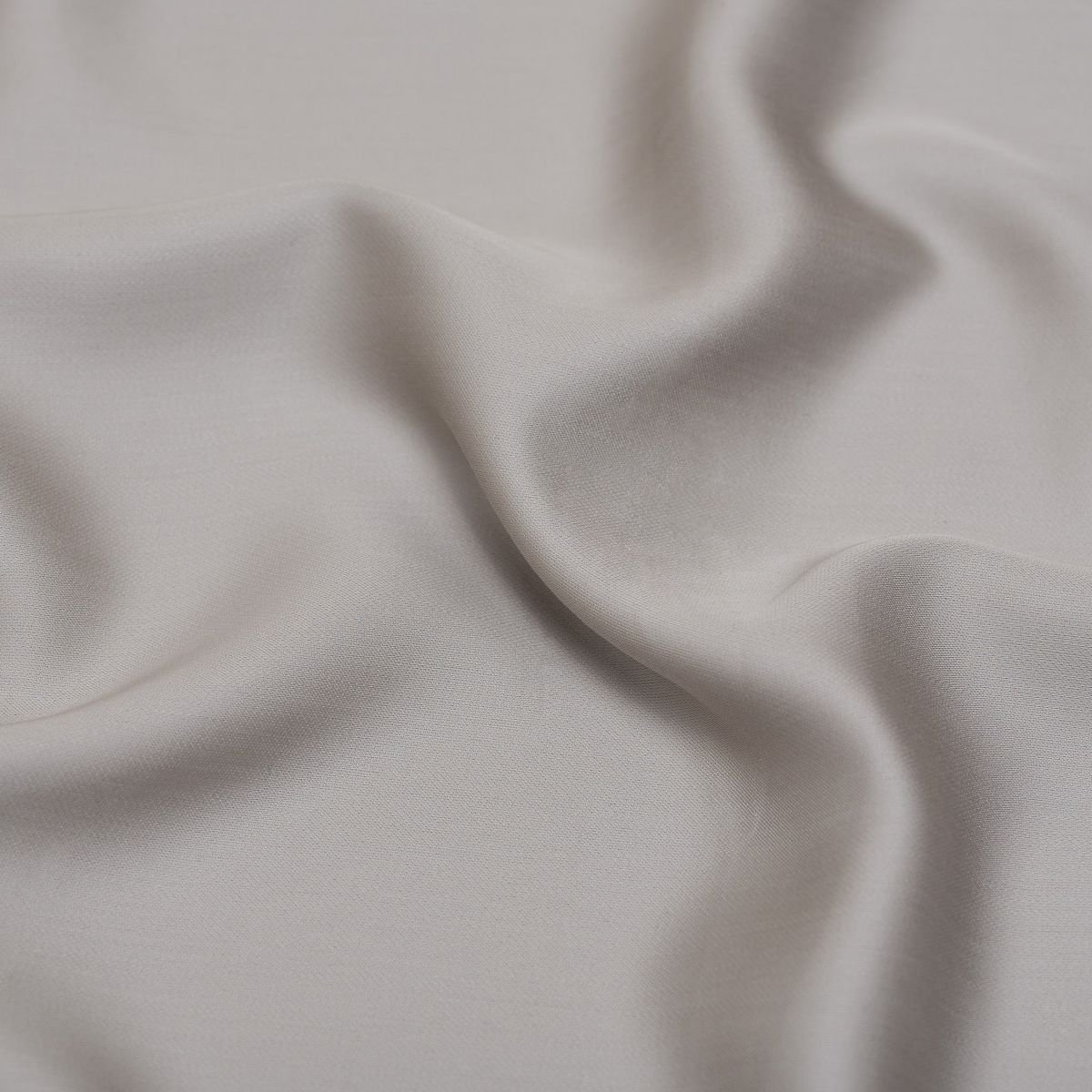
Tencel (Lenzing’s brand name for lyocell) is a structurally improved cellulose fiber. Closed-loop processing, lower water usage, and better wet strength than viscose.
Why it works for fine-gauge knits
- Better moisture management than cotton — wicks sweat
- Softer hand, less pilling than viscose
- Works well at 14-gauge, producing a 200–240 gsm fabric
- Takes reactive dyes well, color stays vibrant
Cost
Tencel yarn costs about 15–25% more than comparable viscose but is still cheaper than organic cotton. A typical Tencel-cotton blend (70/30 or 50/50) keeps costs manageable while adding marketing value.
The eco angle
If sustainability is part of your brand’s pitch, Tencel gives you a real story — closed-loop processing, FSC-certified wood sources, and lower carbon footprint than conventional cotton. It’s not greenwashing if the supply chain is traceable.
GTM search volume: “tencel knitwear” (growing rapidly since 2023), “lyocell polo shirt” (medium), “sustainable knitwear yarn” (high)
6. Linen — the purist’s choice (limited)
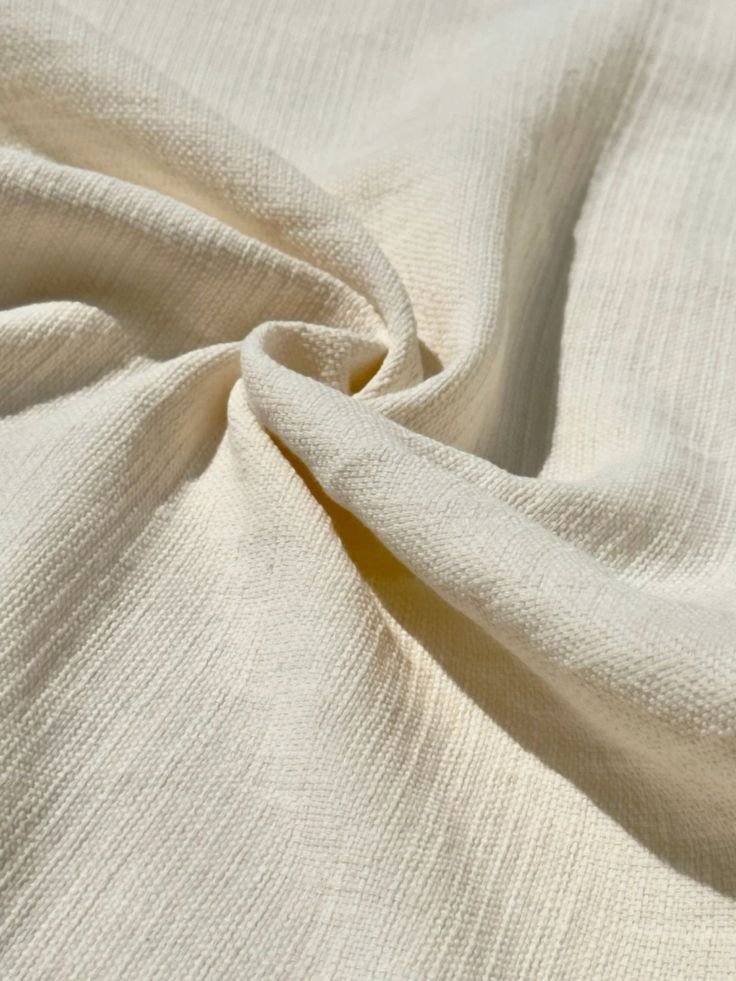
Pure linen knitted polo shirts exist but are rare. Knitting 100% linen requires specialized machine settings, lower speed, and frequent maintenance. Most factories charge a premium for production difficulty.
The reality
You won’t get a 100% linen knitted polo under $25 FOB from most Chinese factories. The knitting speed drops from 0.5–0.6 m/min (cotton) to 0.2–0.3 m/min, and needle breakage is higher.
When to consider it
Only if your retail price point is $200+ and the brand specifically wants the “pure linen” label. For most practical purposes, the cotton-linen blend is a better product.
GTM search volume: “linen knit polo shirt” (low-medium), “pure linen knitwear” (niche)
7. Acrylic blends — the volumetric option
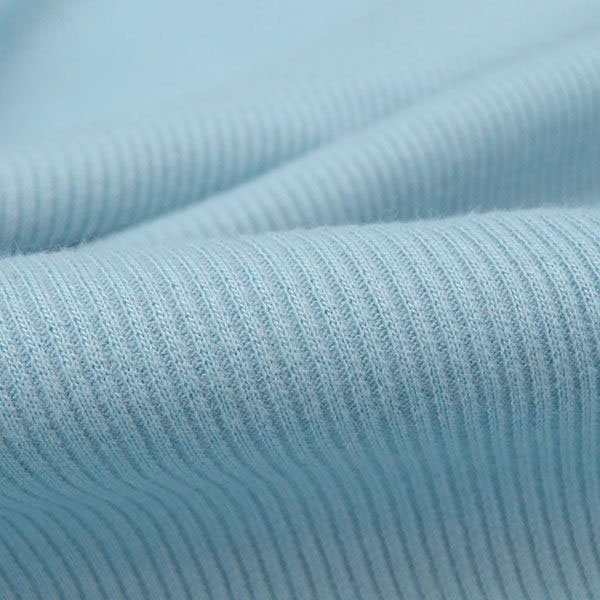
Acrylic is the only synthetic staple fiber that behaves like wool in knitting — it has bulk, warmth, and elasticity. For spring/summer lightweight knitwear, acrylic is usually too warm. But a cotton-dominant blend with 10–30% acrylic can work.
Blend options
- 70% cotton / 30% acrylic — keeps structure, reduces cost, slightly warmer
- 85% cotton / 15% acrylic — barely noticeable warmth change, better stitch definition
Why not more?
Acrylic is hydrophobic. In a lightweight knit, which is meant to be breathable, too much acrylic makes the garment feel clammy when you sweat. Keep acrylic under 30% and you won’t get complaints.
beyond polos: other lightweight knitwear the same yarns run
The seven fibers above aren’t polo-only. A knitted polo is a lightweight knit with a collar and a placket, so the same yarns run every fine-gauge style a spring/summer line needs.
Lightweight crewnecks and knit tops sit where polos do: 12–16 gauge, 180–280 gsm. Combed cotton carries them, viscose-cotton blends give the drape, and Tencel-cotton adds the moisture management for a style worn against skin.
Fine cardigans take the same yarns at the same counts. The extra work is the placket. Cotton holds a flat button band best. Cotton-silk gives a cardigan the sheen that supports a higher retail price. Acrylic-dominant blends are too warm and too springy for a summer cardigan — keep acrylic under 30%.
Layering knits run a little heavier. A 12-gauge cotton-linen or cotton crewneck at 250–280 gsm layers over a tee without adding bulk, and it still reads as spring/summer.
Summer dresses and shell tops want drape over structure, so Tencel, viscose blends and cotton-silk are the fibers that work. Linen blends suit a shell top or a loose dress, because the texture does the work. At 180–200 gsm a plain knit dress can read sheer, so check opacity on a washed swatch, not on the yarn card.
Gauge and yarn count interact the same way across all of these. The 2/32Nm or 2/48Nm combed cotton that knits into 220–280 gsm at 12 or 14 gauge reads the same whether it lands in a polo, a crewneck or a cardigan. Pick the gauge for the weight the style needs, then the fiber for the hand and the price point.
What this means for brands and designers
- Gauge determines everything — A 12-gauge knit and a 16-gauge knit in the same yarn are different products. Know your target weight before you pick the yarn.
- Cellulose blends add lead time — Tencel and linen blends require different machine setup and slower knitting speeds. Add 2–3 weeks to your typical 45-day lead time.
- Source a spec, not a promise — “Premium cotton” means nothing without a count (Nm), ply, and gsm spec. Shortlist factories that can quote yarn specs, not just garment descriptions.
- MOQ reality check — Cotton and viscose-cotton blends are available at 200–300 pcs per color. Tencel, silk blends, and linen blends typically need 500+ pcs due to yarn minimums.
Pick the fiber based on your target retail price, not the other way around.
FAQ
What’s the best yarn for a knitted polo shirt in summer?
Combed mercerized cotton at 2/48Nm on a 14-gauge machine. It’s the industry standard for a reason — breathable, durable, and every factory has experience with it. For lighter weight, switch to 16-gauge with 2/60Nm.
Is linen good for knitted polo shirts?
Linen works best as a blend with cotton (55% linen / 45% cotton). Pure linen knitted polos exist but come with longer lead times and higher FOB prices. The cotton-linen blend gives you most of the breathability without the knitting headaches.
What gauge is best for a spring polo?
14-gauge is the most versatile — light enough for spring, not too sheer. Use 12-gauge if you want a more structured, substantial fabric, and 16-gauge for deep summer wear below 210 gsm.
Can you knit a polo shirt from Tencel?
Yes. Tencel (lyocell) blends well with cotton at 50/50 or 70/30 ratios. It produces a soft, drapey fabric with excellent moisture wicking. Expect 15–25% higher yarn cost vs standard viscose.
What’s the difference between a pique polo and a knitted polo?
Pique is a woven fabric construction (crosshatch texture). A knitted polo is made on a knitting machine from yarn, with a different structure and stretch. The term “knitted polo” specifically refers to knitwear — fully fashioned or cut-and-sew from flat-bed knitting — not woven pique fabric.
What’s the best yarn for a lightweight sweater?
Combed cotton at 2/48Nm on a 14-gauge machine is the default. A 2/32Nm or 2/48Nm cotton knits up at 12 or 14 gauge into a 220–280 gsm fabric — light enough for spring, wearable into early summer. For deeper summer, drop to 16 gauge with a finer 2/60Nm yarn and land around 180–200 gsm. If you want a softer hand, a 70/30 or 50/50 Tencel-cotton blend knits at the same gauge and wicks better than cotton alone. For a premium tier, 85% cotton / 15% silk at 2/48Nm on 14 or 16 gauge adds sheen at a 200–240 gsm weight. Skip pure linen, and keep any acrylic content under 30%, or the sweater stops feeling lightweight.
What is the best yarn for a sweater?
It depends on the season, and the fiber follows the weight. For a lightweight spring/summer sweater, combed mercerized cotton at 2/48Nm on 14 gauge is the industry standard — breathable, durable, and every factory has experience with it. Cotton-linen gives a drier, more textured hand at the same season. Tencel-cotton is the sustainable option with better moisture management and less pilling than viscose. Viscose blends are the budget route, but they pill faster and lose strength when wet. For a winter sweater the answer moves to wool, cashmere or alpaca at a coarser gauge. There’s no single best sweater yarn — there’s a best yarn for the gauge and the finished weight you’ve specced, because a 12-gauge knit and a 16-gauge knit in the same yarn are different products.