


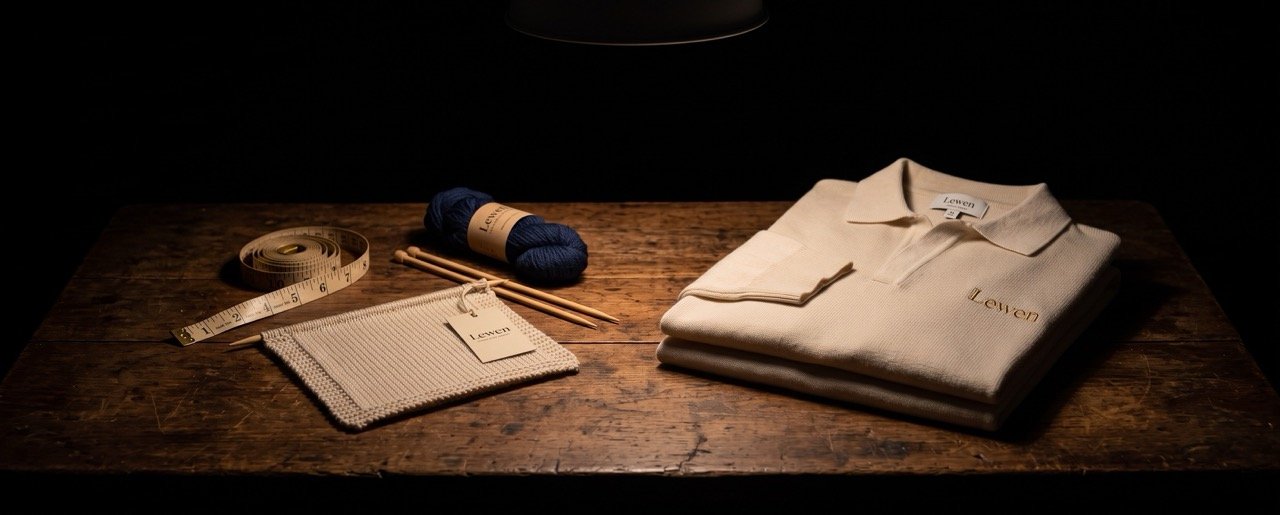
Old money style — quiet luxury, classic silhouettes, premium natural fibers — isn’t a trend. It’s a sustained demand from a customer base that knows what good knitwear looks like. For brands and designers sourcing private-label or OEM sweaters in this segment, picking the right manufacturer is the difference between a collection that sells and one that sits.
Here are seven manufacturers, listed in no particular order, that consistently deliver the construction, materials, and reliability required for old money men’s knitwear. Each one serves a different production profile, so consider your scale, timeline, and price point.
1. John Smedley Ltd.
Established: 1784
Location: Derbyshire, England
Specialty: Fine-gauge Merino and Sea Island cotton knitwear
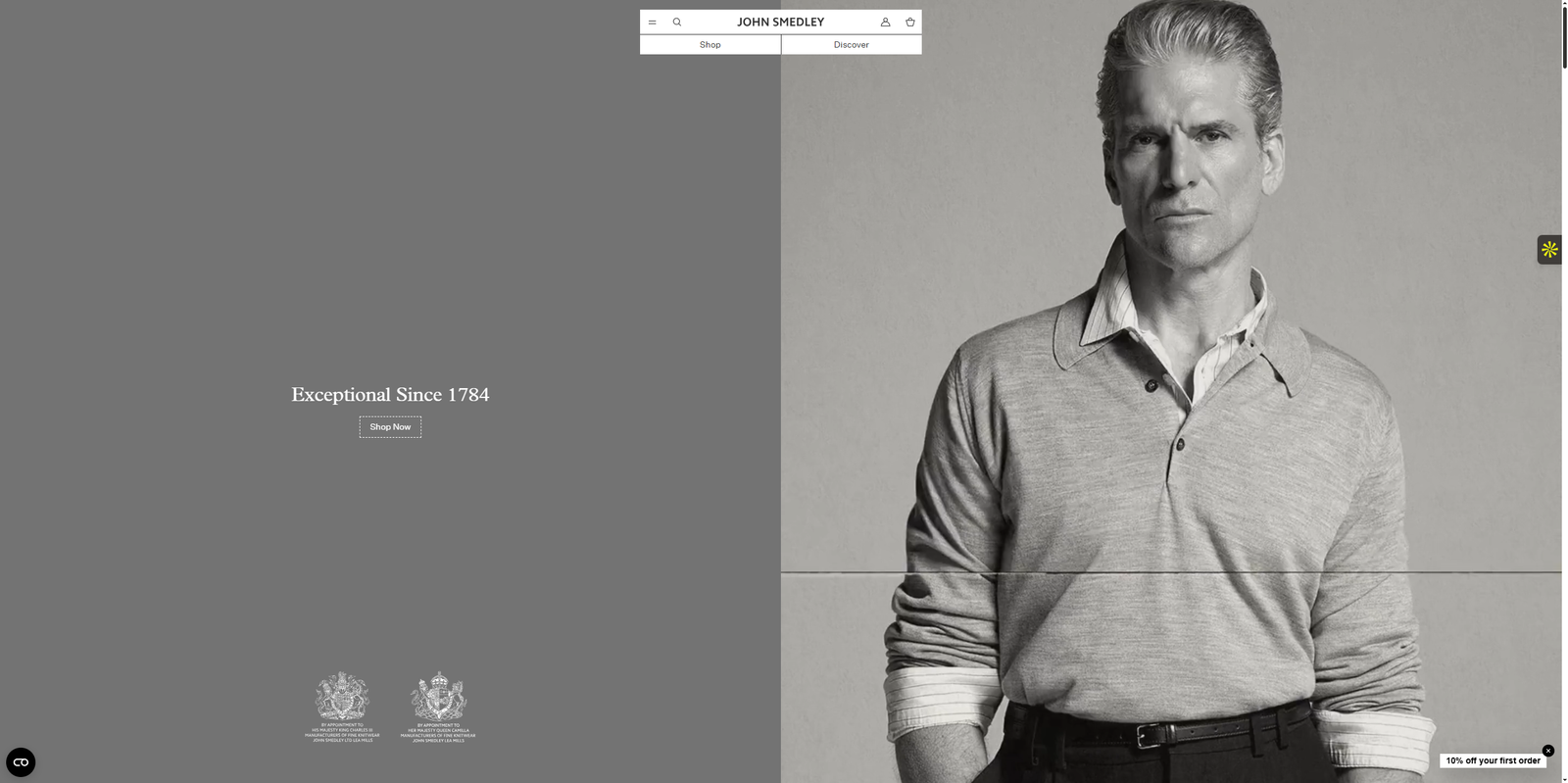
John Smedley is the oldest knitwear manufacturer in continuous operation. The 241-year-old mill still runs on its original site in Lea Mills, Derbyshire. They produce exceptionally fine-gauge knits (30-gauge and up) that hold shape wash after wash. Their contract manufacturing arm works with heritage and contemporary brands alike, producing made-in-England sweaters with full traceability.
Why it works for old money: Fine-gauge Merino at this level is the fabric equivalent of a tailored suit — it drapes, it breathes, it doesn’t pill. The “Made in England” label itself carries trust with old money buyers.
2. Lewen Garment
Established: 2002
Location: Dongguan Dalang, Guangdong, China
Specialty: Custom men’s knitwear — cardigans, crewnecks, V-necks, polo knits in Merino, cotton, cashmere, and blended yarns
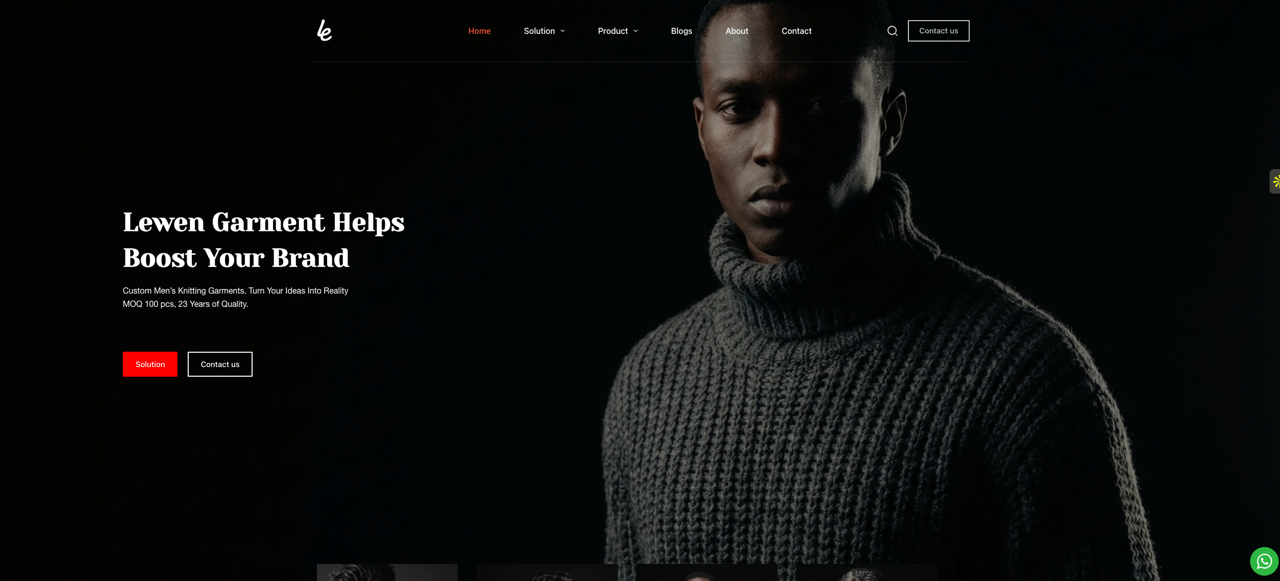
Lewen Garment operates out of Dalang, the sweater capital of China. They serve independent brands, boutique designers, and menswear labels looking for B2B knitwear production without factory minimums that lock out smaller buyers. Production runs from 100 pieces per style, covering 5 to 16 gauge on circular and flat-knitting machines.
What sets them apart is speed and consultative service. When a brand comes with a sketch or a reference garment, Lewen responds with detailed spec feedback — which gauge works for the intended drape, which yarn composition will hold up for that silhouette, and where the cost sits before sampling starts. They treat every order as a collaboration, not a transaction.
That market-intelligence layer — knowing what’s trending, what yarn mills are pushing, what competitors are running — is something bigger factories don’t offer. For a brand owner who doesn’t knit for a living, having a manufacturer that advises rather than just executes saves months of trial and error.
Why it works for old money: Old money buyers don’t want fast fashion. They want sweaters that look good for five years. Lewen builds to that spec — solid tension, consistent dye lots, reinforced shoulder seams — and communicates in the language of construction, not marketing.
3. Berto Industria Tessile
Established: 1880
Location: Torreglia, Veneto, Italy
Specialty: High-end knitwear fabrics and finished knits in Merino, technical blends, and wool-silk combinations
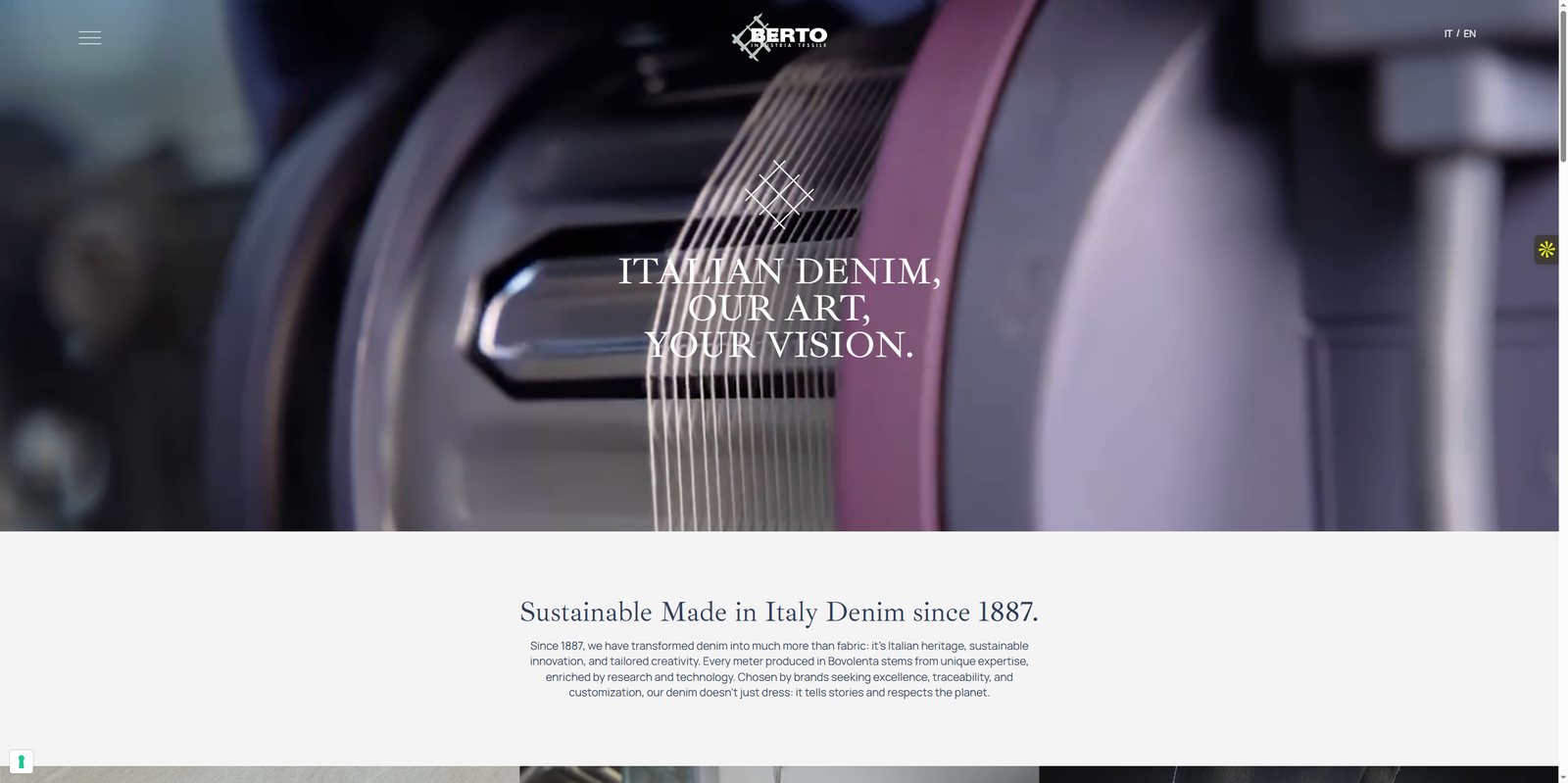
Berto is a fifth-generation Italian mill that has shifted over the decades from commodity fabric to premium knitwear production. They specialize in full-garment knitting and supply a network of luxury brands. Their strength is in fabric development — if you want a unique knit structure or a proprietary blend, Berto’s R&D team can develop it from the yarn up.
Why it works for old money: Berto’s Nibbio (Merino) and wool-silk blends offer the soft hand and natural luster that define quiet luxury. Their sampling process is thorough but slower than Asian mills — expect 6-8 weeks for development.
4. Max Company
Established: 1990s
Location: Carpi, Emilia-Romagna, Italy
Specialty: Third-party luxury knitwear production for high-end fashion brands
Max Company operates in the Carpi district, Europe’s largest knitwear production zone. They do full-service contract manufacturing — yarn sourcing, sampling, production, finishing — all in-house. Carpi’s strength is in fast-turnaround private label for European fashion houses, and Max Company is one of the reliable names in that space.
Why it works for old money: Carpi’s SME structure allows smaller MOQs than Biella mills (200-500 pieces), making it accessible for emerging old money brands. The “Made in Italy” premium is built in.
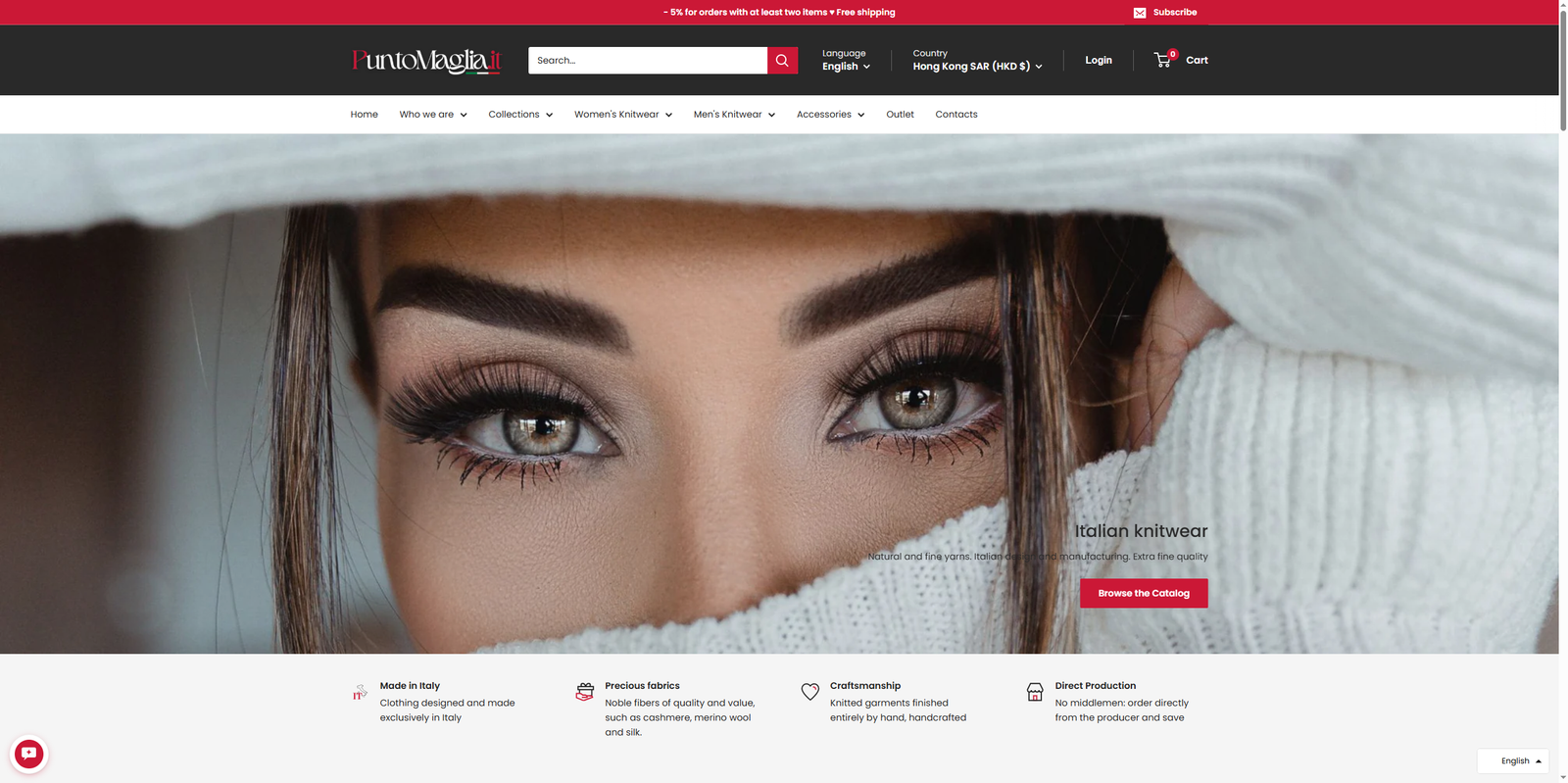
5. Punto Maglia srl
Established: 1980s
Location: Carpi, Emilia-Romagna, Italy
Specialty: Men’s knitwear manufacturing on commission for brands, wholesalers, and retailers
Punto Maglia runs the Italianknitwear.it platform, a direct B2B bridge for international buyers. They produce men’s and women’s knitwear on commission and offer both private-label and white-label options. Their production covers classic constructions: ribbed crewnecks, shawl-collar cardigans, fine-knit polos — all core pieces for an old money capsule.
Why it works for old money: They understand the shape language of classic menswear knitwear — dropped shoulders, consistent rib tension, clean neck finishes. These are the details that separate a $60 sweater from a $160 one.
6. Maglificio Miles

Established: 1965
Location: Carpi, Emilia-Romagna, Italy
Specialty: High-end knitwear for international brands
Maglificio Miles has been producing for some of the best-known names in fashion for nearly six decades. They cover both circular-knit and flat-knit production and specialize in premium natural fibers — cashmere, extra-fine Merino, and baby camel hair. Their factory runs controlled batch sizes with full documentation on dye lots and yarn traceability.
Why it works for old money: Sixty years of production consistency matters. Old money customers buy a sweater, wear it for a decade, and buy the same model again. Miles’ quality control supports that repeat-purchase behavior.
7. Belee Milano
Established: 2000s
Location: Milan, Lombardy, Italy
Specialty: Knitwear sampling and production for fashion and apparel brands
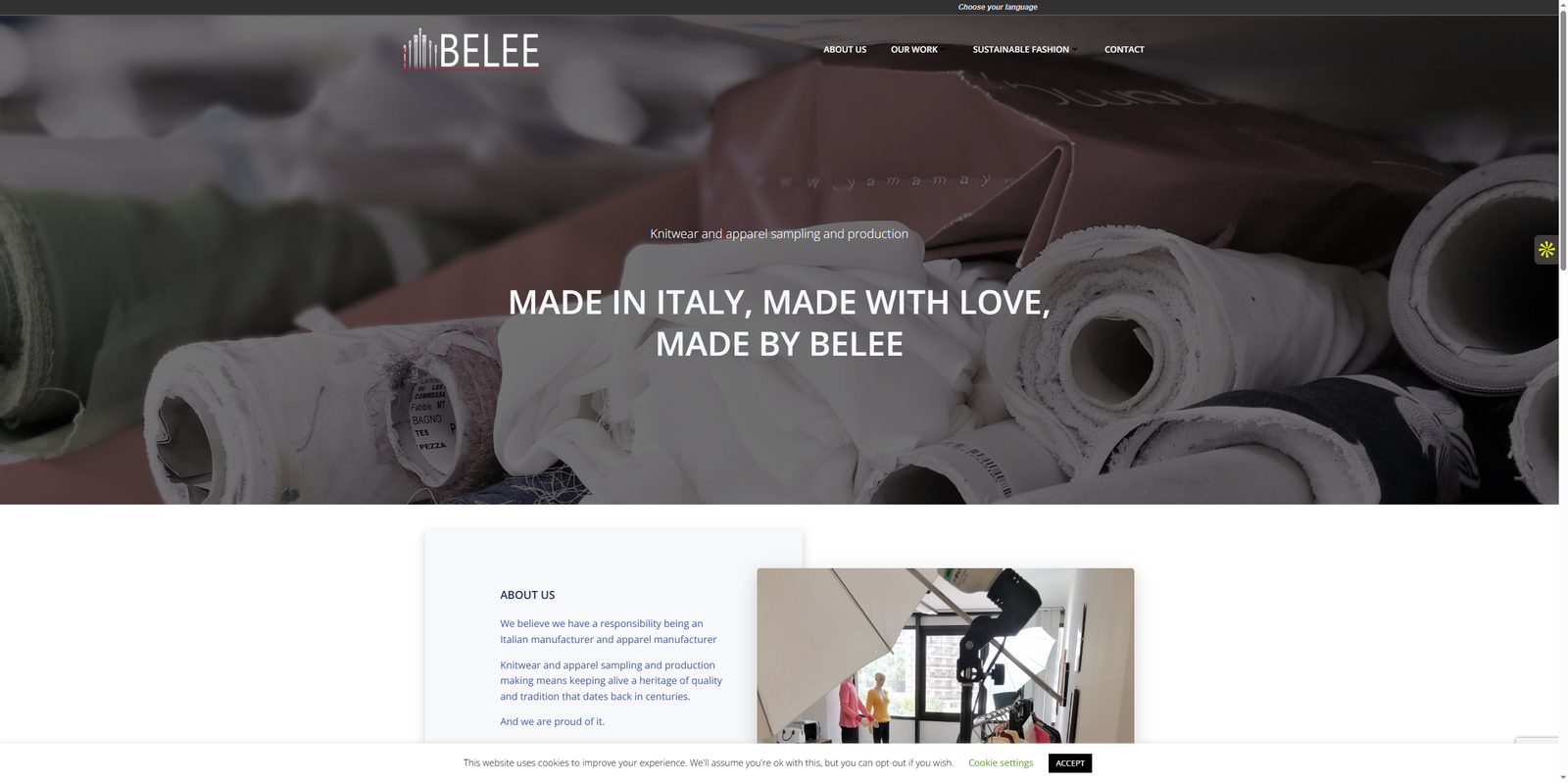
Belee Milano positions itself as a bridge between design and manufacturing. They handle sampling, prototyping, and production runs with a focus on speed and flexibility. For brands that need to test a new old-money-inspired silhouette before committing to volume, Belee’s sampling-first model reduces risk.
Why it works for old money: Sampling agility matters when refining a classic — getting the neckline depth right, the sleeve length exactly where you want it. Belee’s Milan base also means proximity to premium trim and finishing suppliers.
What this means for your sourcing decision
The old money formula: fiber + gauge + construction
No matter which manufacturer you choose, the quality of an old money sweater comes down to three variables:
- Fiber: Extra-fine Merino (17.5 micron or finer) or Grade A cashmere. Don’t accept less.
- Gauge: 12-gauge for heavier cardigans, 16-gauge for everyday crewnecks, finer gauge for next-to-skin luxury.
- Construction: Reinforced shoulder seams, consistent rib tension, clean neck finishing. These are measurable, not subjective.
Match your production stage
If you need:
- Ultra-luxury Italian provenance → Berto, Maglificio Miles, Max Company
- Heritage “Made in England” credibility → John Smedley
- Speed + flexibility + consultative service → Lewen Garment
- Small batch sampling before scaling → Belee Milano, Punto Maglia
MOQ reality check
- Italian mills (Biella/Carpi): 200-500 pieces per style
- UK (John Smedley): 300+ pieces
- Lewen Garment (Dongguan): 100 pieces per style
- All manufacturers offer sampling runs at lower quantities — expect to pay a premium for first samples.
FAQ
What defines “old money” style in knitwear?
Old money style means classic, un-logoed silhouettes made from premium natural fibers — Merino wool, cashmere, cotton-cashmere blends. Think crewnecks, V-necks, cardigans, and shawl-collar designs in neutral tones: navy, charcoal, camel, heather grey, cream. No branding, no logos. The quality is in the knit itself.
What’s the best gauge for a men’s old money sweater?
For a classic everyday sweater, 12-16 gauge is the sweet spot. 12-gauge is heavier and works for cardigans and outer layer knits. 16-gauge is the standard for crewnecks — substantial enough to hold shape, fine enough to wear under a blazer.
Can Chinese manufacturers produce old money quality?
Yes. Dalang-based manufacturers like Lewen Garment run the same Shima Seiki and Stoll flat-knitting machines used in Italy and the UK. The difference is not in the hardware — it’s in yarn sourcing, quality control protocols, and communication. A good Chinese manufacturer with the right spec feedback will match European quality at a more accessible price point.
Are Italian manufacturers significantly more expensive?
Italian manufacturers carry a 30-50% premium over Asian production at comparable raw material spec. The premium covers labor cost, the “Made in Italy” brand value, and slower but more thorough quality control. Whether that premium is justified depends on your target retail price — at $300+ retail, Italian provenance adds margin. At $150 retail, Asian production with Merino or good-quality cotton will deliver the same garment quality.
How do I evaluate a sweater manufacturer before placing an order?
Ask for three things: (1) a reference garment or sample in your chosen gauge and yarn, (2) their yarn sourcing list (which mills they work with), and (3) their defect rate on previous production runs.