


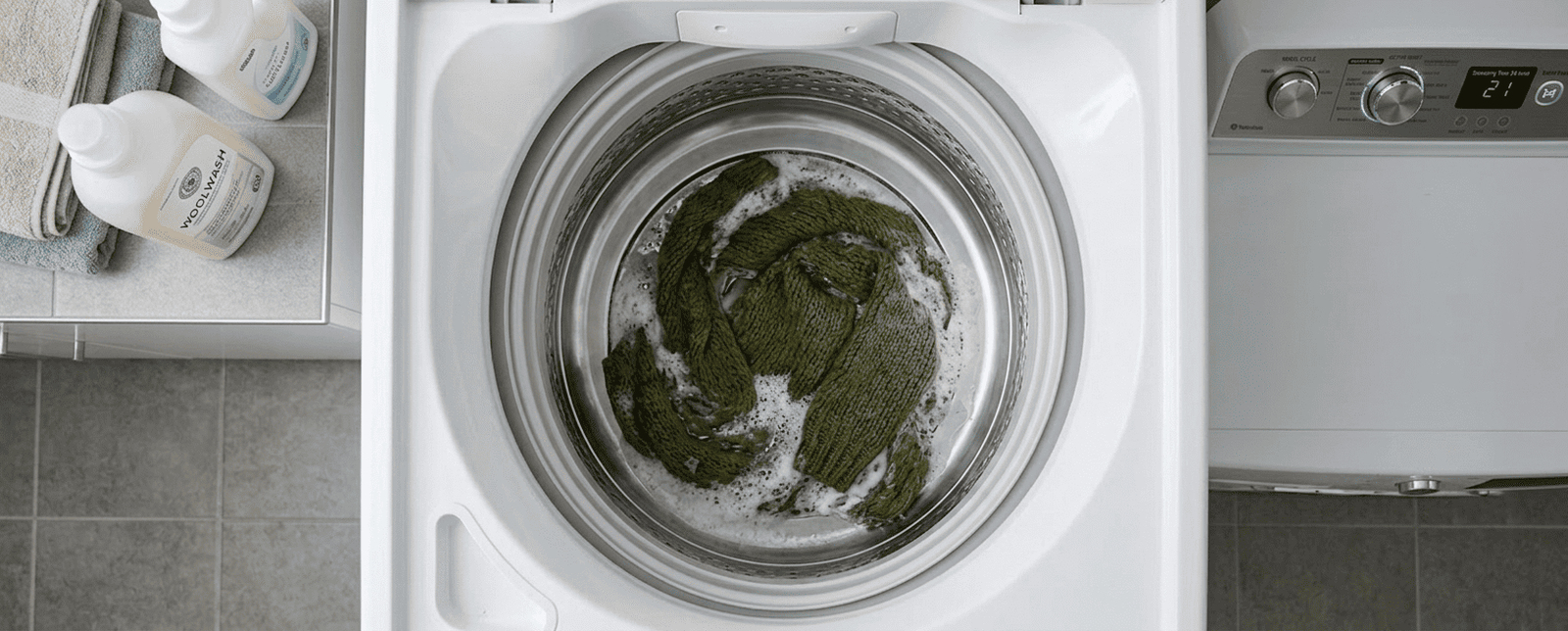
Different yarns behave differently in water. Cotton shrinks. Acrylic pills. Wool felts if you look at it wrong. Most garment returns and complaints start with the care tag, not the construction. For brands sourcing men’s knitwear, knowing how each fabric should be washed and dried isn’t just useful — it affects how you spec finishing treatments, what you put on the care label, and whether your customer keeps the sweater for one season or five.
Here’s a fabric-by-fabric breakdown. Technical, not fluffy.
Cotton knitwear
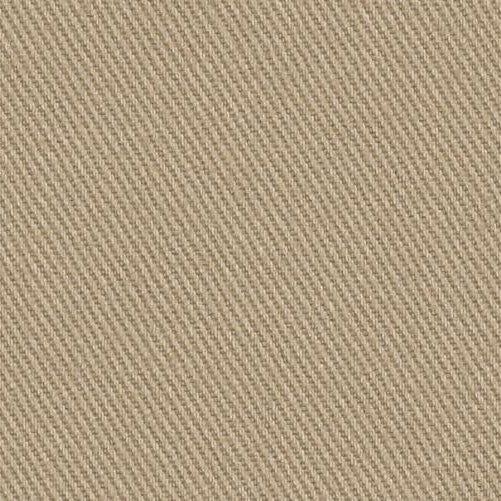
How it behaves: Cotton is hydrophilic — it absorbs water fast and loses shape when wet. If you are still choosing the fibre, cotton vs wool knitwear covers the trade-offs. It can shrink 3–8% in the first wash if not pre-shrunk. It also wrinkles more than synthetic blends.
Washing
Machine wash cold (30°C max) on a gentle cycle. Turn the garment inside out to reduce surface abrasion. Use a mild liquid detergent — powder can leave residue in the knit structure. Do not use bleach or fabric softener; softener coats the fibers and reduces breathability over time.
If hand washing, use lukewarm water and a gentle squeeze — never wring or twist.
Drying
Do not tumble dry. Heat shrinks cotton fibers unevenly. Lay flat on a dry towel, reshape to original dimensions, and let air dry away from direct sunlight. Hanging a wet cotton sweater will stretch it — the weight of the water pulls the shoulder and collar out of shape.
Storage
Fold, don’t hang. Hanging causes shoulder points and collar distortion over time. Store in a cool, dry place. If storing long-term, use acid-free tissue paper between folds to prevent crease marks.
Wool (standard sheep’s wool)
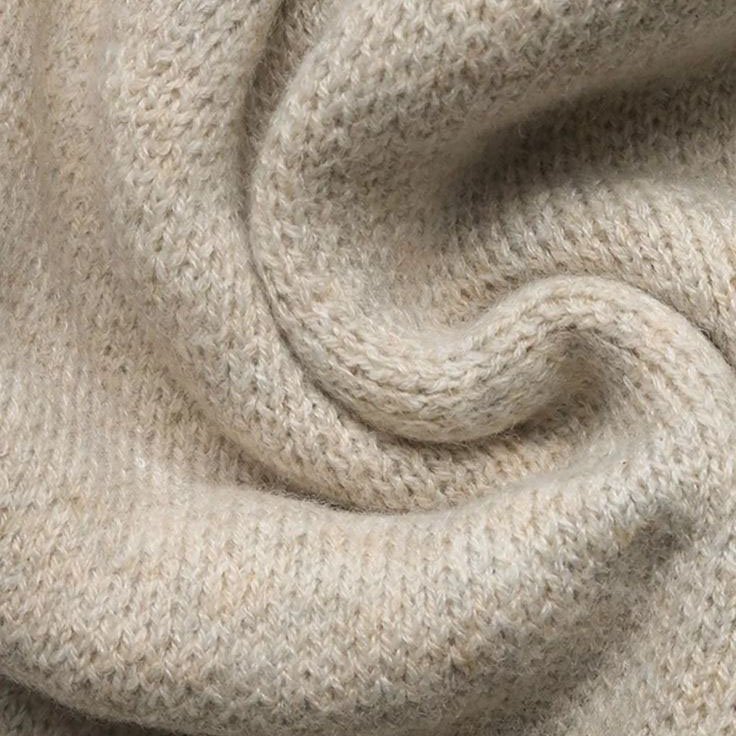
How it behaves: Wool fibers have scales that lock together under heat, friction, and moisture — that’s felting. Agitation in warm water is the main cause. Wool is also naturally stain-resistant and odor-resistant when properly maintained.
Washing
Hand wash in cold or lukewarm water (max 30°C) with a wool-specific detergent like Eucalan or Soak. Avoid agitation — submerge, gently press, let it soak for 10–15 minutes, then rinse with the same temperature water. Temperature shock (cold to hot) causes felting.
If you must machine wash, use a wool or delicate program (no spin cycle) and keep the load small. Too much friction in a crowded drum causes felting damage.
Drying
Never tumble dry. Roll the wet garment in a dry towel to absorb excess moisture, then lay flat on a mesh drying rack. Reshape while damp. Keep away from radiators and direct heat — rapid drying makes wool brittle and stiff.
Storage
Fold and store in a breathable cotton bag or shelf. Wool needs airflow. Plastic bags trap moisture and attract moths. Use cedar blocks or lavender sachets for moth prevention — not naphthalene balls (they leave a smell that’s hard to remove).
Merino wool
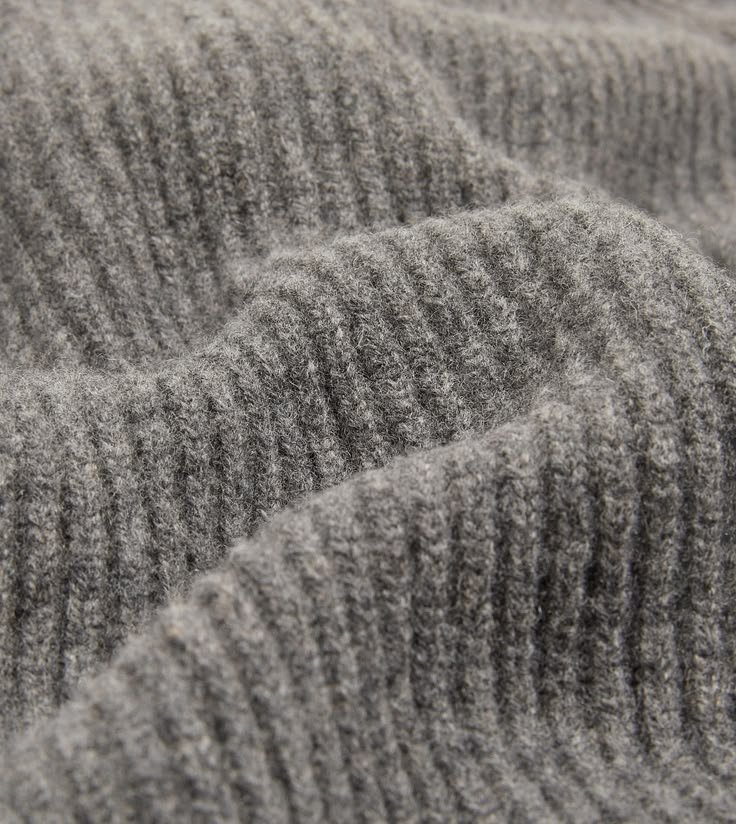
How it behaves: Merino fibers are finer than standard wool (sub-24 micron), which makes them softer but also more delicate. For how merino compares with lambswool, see merino wool vs lambswool. Merino has natural moisture-wicking and temperature-regulating properties — it’s popular for base layers and lightweight knits.
Washing
Merino can handle more frequent washing than standard wool because the finer fibers shed dirt more easily. Hand wash or machine wash on a cold delicate cycle (30°C). Use a wool-specific or gentle detergent. Do not use enzyme-based detergents — they break down protein fibers.
Turn the garment inside out and use a mesh laundry bag for machine washing to reduce mechanical stress.
Drying
Same as standard wool — lay flat, reshape, no heat, no direct sun. Merino dries faster than standard wool because the fibers absorb less water relative to their weight.
Storage
Fold. Same moth prevention as standard wool. Merino is particularly attractive to moths because of the fine fiber diameter — check stored items every 2–3 months during off-season.
Cashmere
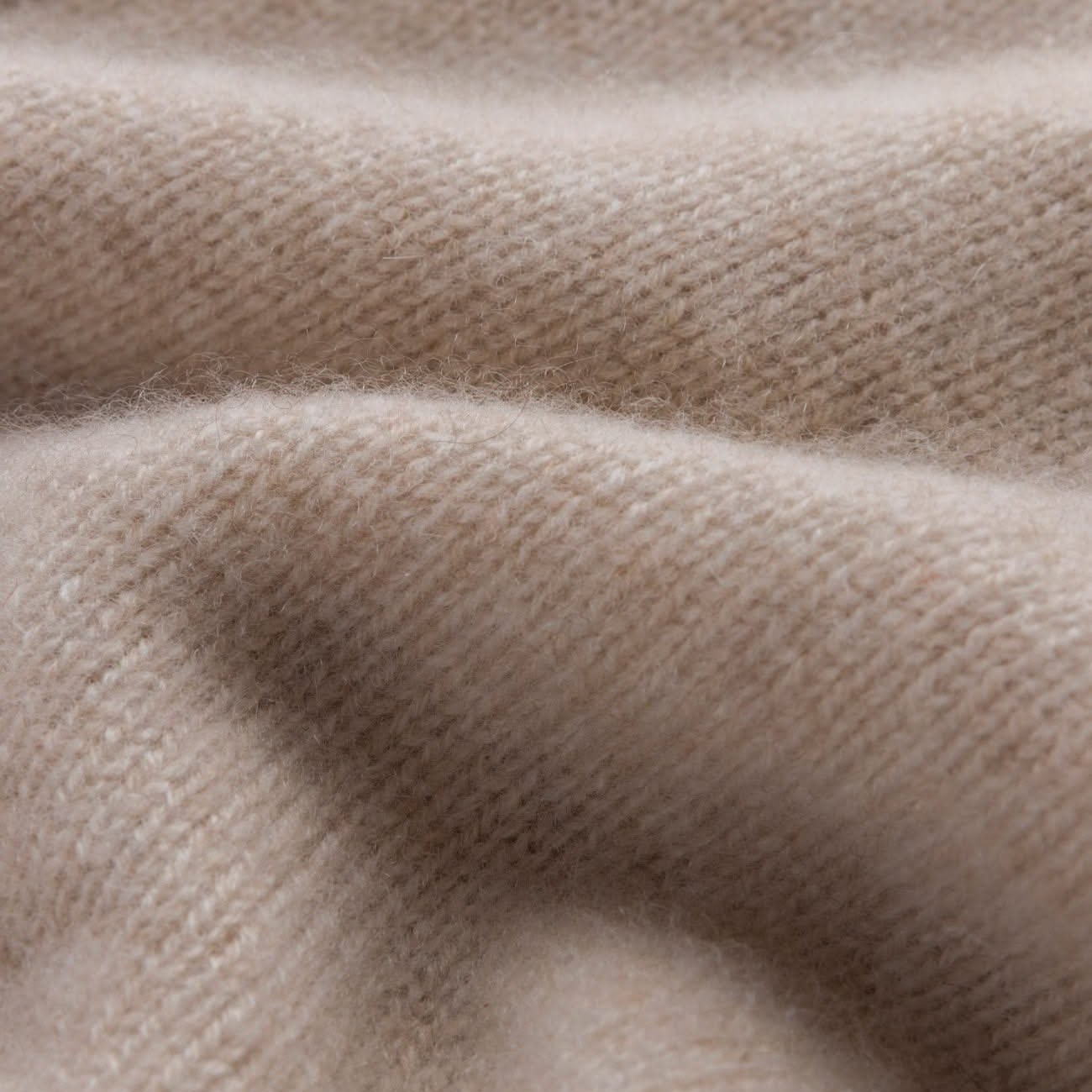
How it behaves: Cashmere fibers are short and soft — they pill naturally because fiber ends work loose with wear. Pilling is not a defect; it’s a characteristic of short-staple luxury fibers. The key is managing it, not panicking about it.
Washing
Hand wash only. Cold water, cashmere-specific detergent (pH-neutral). Soak for 10–15 minutes, no rubbing or scrubbing. Rinse gently with the same temperature water. Never machine wash, even on a delicate cycle — the mechanical action accelerates pilling and distorts the garment.
Spot clean when possible instead of washing the whole garment.
Drying
Lay flat on a towel. Reshape carefully — cashmere holds creases from improper drying. Do not hang, do not wring, do not use heat. A dry cashmere sweater should be soft, not stiff.
Storage
Fold with acid-free tissue paper between layers. Do not hang. Cashmere is a favorite target for moths — use cedar or lavender repellents. A cashmere comb (not a standard fabric shaver) is better for removing pilling without damaging the surface fibers.
Acrylic & poly blends
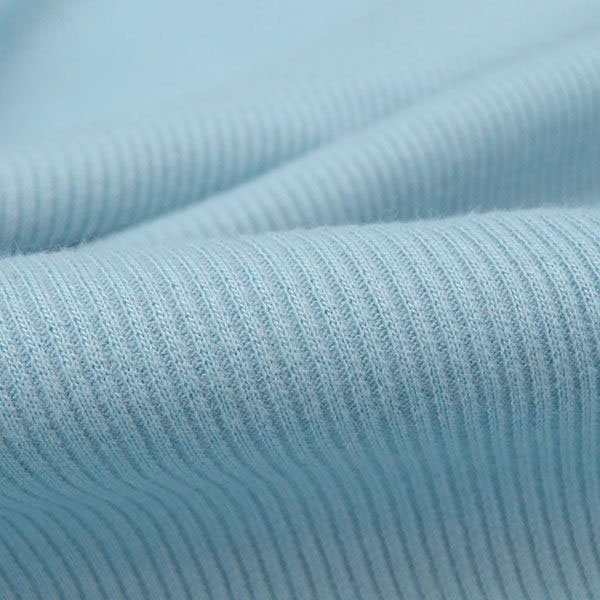
How it behaves: Acrylic and polyester are synthetic. They don’t shrink like natural fibers and they don’t felt. But they pill from friction, they can get static cling, and high heat can melt or distort the fibers.
Washing
Machine wash cold (30°C) on a gentle cycle. Use a regular mild detergent. Fabric softener helps reduce static on synthetics, but use it sparingly — too much buildup affects breathability. Do not use hot water — high heat reduces elasticity in synthetic fibers.
Turn inside out to reduce surface pilling.
Drying
Tumble dry on low heat or air dry. Medium to high heat can cause acrylic fibers to warp or become stiff. Remove from the dryer while still slightly damp to reduce static. If air drying, lay flat — hanging wet synthetics still causes stretching.
Storage
Fold. Synthetic knits are less prone to moth damage but can still accumulate dust and odors if stored uncleaned. Wash before long-term storage to avoid set-in odors.
Cotton-acrylic blends
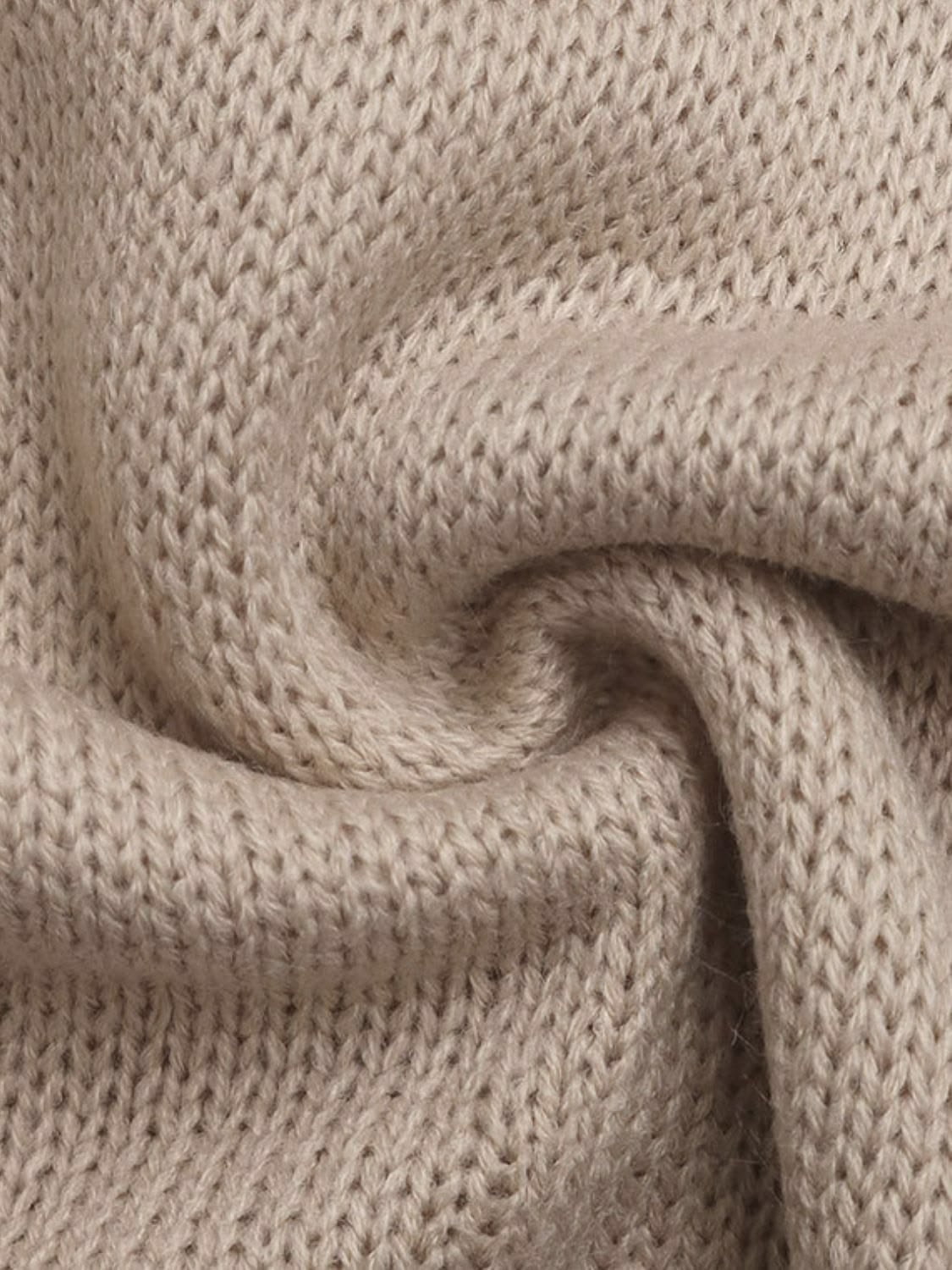
How it behaves: Cotton-acrylic blends (typically 50/50 or 60/40) combine the hand feel of cotton with the shape retention of acrylic. They’re one of the most common mid-range knit fabrics. The behavior depends on the ratio — higher cotton content means more shrinkage risk.
Washing
Machine wash cold on a gentle cycle. Because cotton and acrylic shrink/drape differently, the blend needs a balanced approach. Hot water causes the cotton to shrink while the acrylic stays stable — this creates tension in the knit structure and leads to distortion.
Drying
Lay flat to dry. Low-heat tumble drying is possible if the cotton content is below 50%, but flat drying is safer and preserves shape better.
Storage
Same as cotton — fold, avoid hanging. Moth resistance is better than pure wool, but not guaranteed if wool is part of the blend.
Quick reference: washing & drying by fabric
| Fabric | Wash temp | Method | Dry | Special notes |
|---|---|---|---|---|
| Cotton | Cold (30°C) | Machine gentle / hand wash | Lay flat | Pre-shrink before production |
| Wool | Cold (30°C) | Hand wash only | Lay flat, no heat | Wool detergent only |
| Merino | Cold (30°C) | Hand / machine delicate | Lay flat | Mesh bag for machine wash |
| Cashmere | Cold | Hand wash only | Lay flat, reshape | pH-neutral detergent |
| Acrylic / Poly | Cold (30°C) | Machine gentle | Low tumble / air | Low heat or skip dryer |
| Cotton-acrylic | Cold | Machine gentle | Lay flat preferred | Hot water causes distortion |
General rules for all knitwear
A few things apply across every fabric type:
- Always check the care label first. Manufacturers test their specific yarn before printing labels — trust that data over general rules.
- Wash less often. Knitwear doesn’t need washing after every wear unless it’s visibly soiled or sweaty. Air it out between wears instead.
- Use a mesh laundry bag. Even on a gentle cycle, machine washing creates friction. A mesh bag reduces abrasion significantly.
- Never wring or twist. Wet knit fibers are weak and will snap or deform under torsion. Squeeze gently or roll in a towel.
- Rotate your knits. Wearing the same sweater two days in a row doesn’t give the fibers time to recover from stretching. A 24-hour rest between wears helps shape retention.
- Handle pilling correctly. Use a fabric comb for natural fibers (wool, cashmere) and an electric fabric shaver for synthetics. Combs can pull synthetic fibers loose; shavers can cut natural fiber ends too short.
FAQ
Can I dry clean my knitwear instead of washing it?
Yes, but dry cleaning uses chemical solvents that can be harsh on natural fibers over time. Reserve dry cleaning for once or twice a season as a deep clean. Regular maintenance should rely on hand washing or gentle machine washing. Dry cleaning cashmere too often can make the fibers brittle.
Why does my merino sweater still smell after washing?
Merino is antimicrobial, but odors can get trapped if you’re using too much detergent (buildup traps bacteria) or washing at too low a temperature for heavily soiled items. Try a wool-specific rinse aid or add a splash of white vinegar to the rinse cycle once every few washes.
What temperature makes wool felt?
Felting starts when wool is exposed to temperatures above 40°C combined with agitation. Cold water (30°C or below) with minimal agitation prevents felting. Never use hot water or a hot dryer on wool.
How do I remove pilling from a cotton sweater?
Use a fabric comb or a gentle electric shaver. Cotton pills less than wool or cashmere because the fibers are longer, but surface fuzz still develops in high-friction areas like the underarms and cuffs. Comb gently in one direction to avoid pulling the knit structure.
Can I tumble dry any type of knitwear?
Only acrylic and poly blends can go in the dryer — and only on low heat. Cotton, wool, merino, and cashmere should never be tumble dried. The combination of heat and mechanical tumbling causes shrinkage, felting, and fiber damage in natural fibers.
My cotton sweater shrank — can I fix it?
Partially. Soak it in lukewarm water with hair conditioner (which relaxes the fibers) for 15–20 minutes, then gently stretch it back to the original dimensions while it’s wet. Let it dry flat. This works better on knits than woven fabrics, but recovery is usually limited to 1–2 sizes. Prevention — pre-shrinking the fabric before cutting — is far more effective.
How to find a reliable manufacturer?
Lewen Garment has a global market presence and extensive experience in producing sweaters in various materials, allowing us to provide detailed information before production begins.