


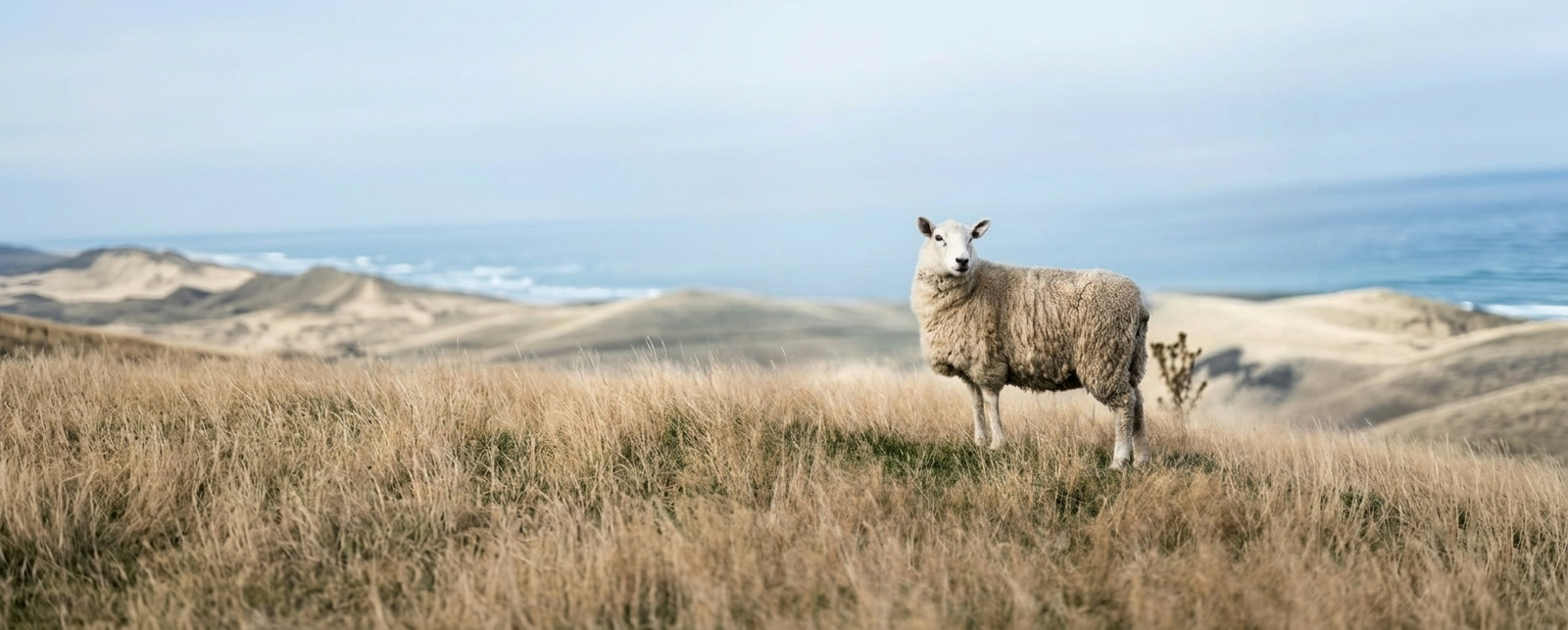
Not all “wool” sweaters are the same. The animal a fiber comes from changes everything — how it feels on your skin, how long it lasts, how much it costs, and what kind of customer will buy it.
If you’re sourcing sweaters for your brand, you need to know the difference between these fibers. Not because you’ll use all of them, but because your suppliers will mention them, your competitors will use them, and your customers will ask about them.
Here’s what each major animal fiber actually does when it’s knitted into a sweater.
1. Wool (sheep)
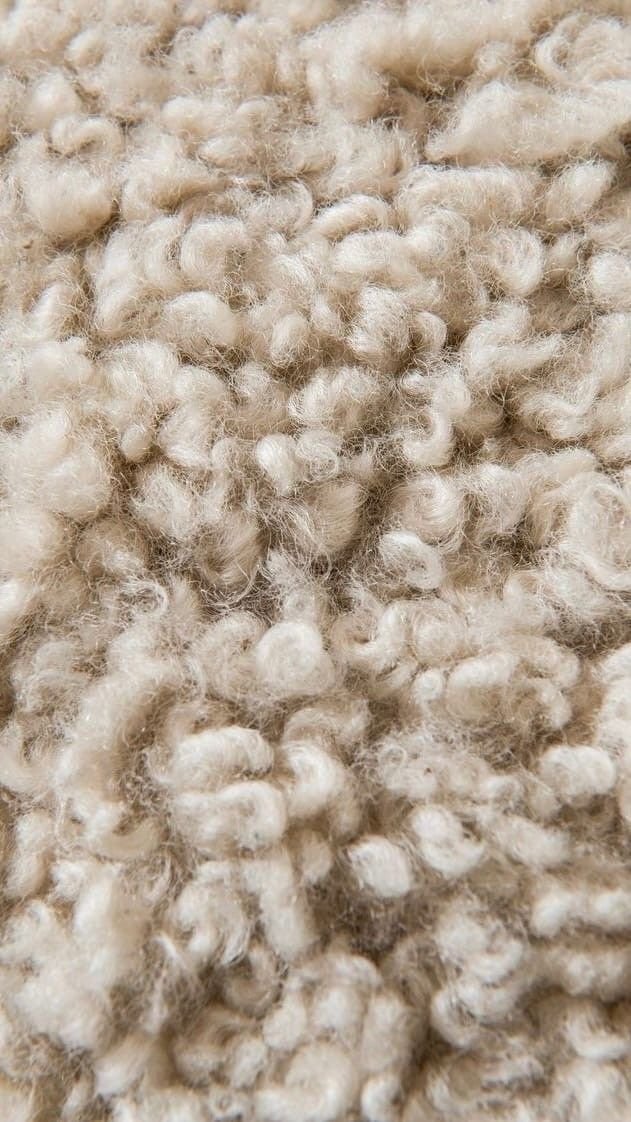
The baseline. Most of the world’s knitwear is made from sheep’s wool. It’s the fiber everything else gets compared to.
What it feels like: Slightly textured, springy, warm. Next to skin, it can feel prickly depending on the fiber diameter. Merino wool (18-24 microns) is soft enough for base layers. The comparison with lambswool is covered in merino wool vs lambswool. Coarser wools (30+ microns) need a lining.
What it does well: Wool absorbs up to 30% of its weight in moisture vapor without feeling wet. This means it manages sweat better than any synthetic. It’s naturally odor-resistant (bacteria don’t grow well on wool). And it’s fire-resistant — it self-extinguishes when the flame is removed.
What it doesn’t do well: It can shrink if washed wrong. It takes longer to dry than synthetics. And cheaper wool garments pill in the first few wears (though the pilling stops after the loose fibers work out).
Price level: Low to moderate. Wool is the baseline. Merino and extra-fine merino cost more.
2. Cashmere (goat)
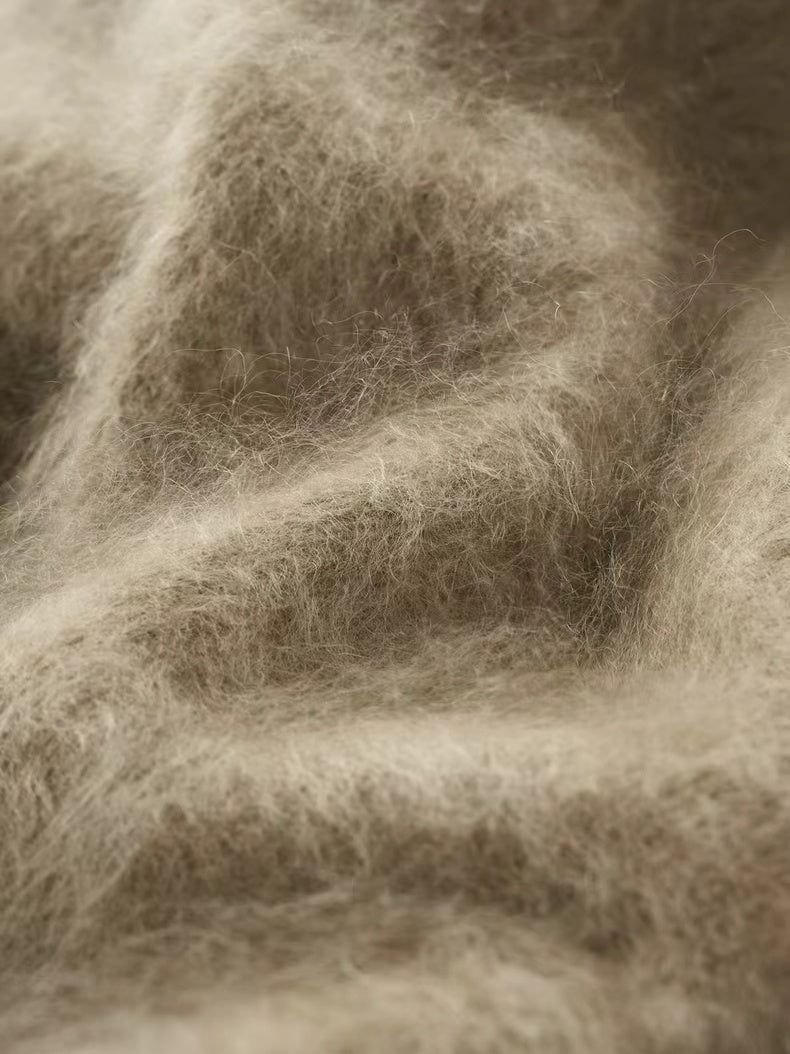
Cashmere comes from the undercoat of cashmere goats, mainly from Inner Mongolia. Each goat produces about 150-200 grams of usable fiber per year. That scarcity drives the price.
What it feels like: Supremely soft. The fibers are 14-16 microns (finer than merino wool). Cashmere has a characteristic “dry” hand feel — it’s soft without being slippery or silky. It drapes differently than wool because the fibers are shorter and less springy.
What it does well: Insulation-to-weight ratio is excellent. A cashmere sweater is warmer than a wool sweater of the same weight, but lighter. The softness means it works directly against the skin with no prickle. Cashmere also has almost no crease memory — fold it, and it springs back flat.
What it doesn’t do well: Durability. Cashmere fibers are delicate. A 100% cashmere sweater will show wear faster than a wool sweater, especially at stress points like elbows and cuffs. It needs gentle washing (hand wash or dry clean). And it’s expensive — the raw fiber costs 3-4x what merino wool costs.
Price level: High. True 100% cashmere is a premium product.
3. Mohair (angora goat)
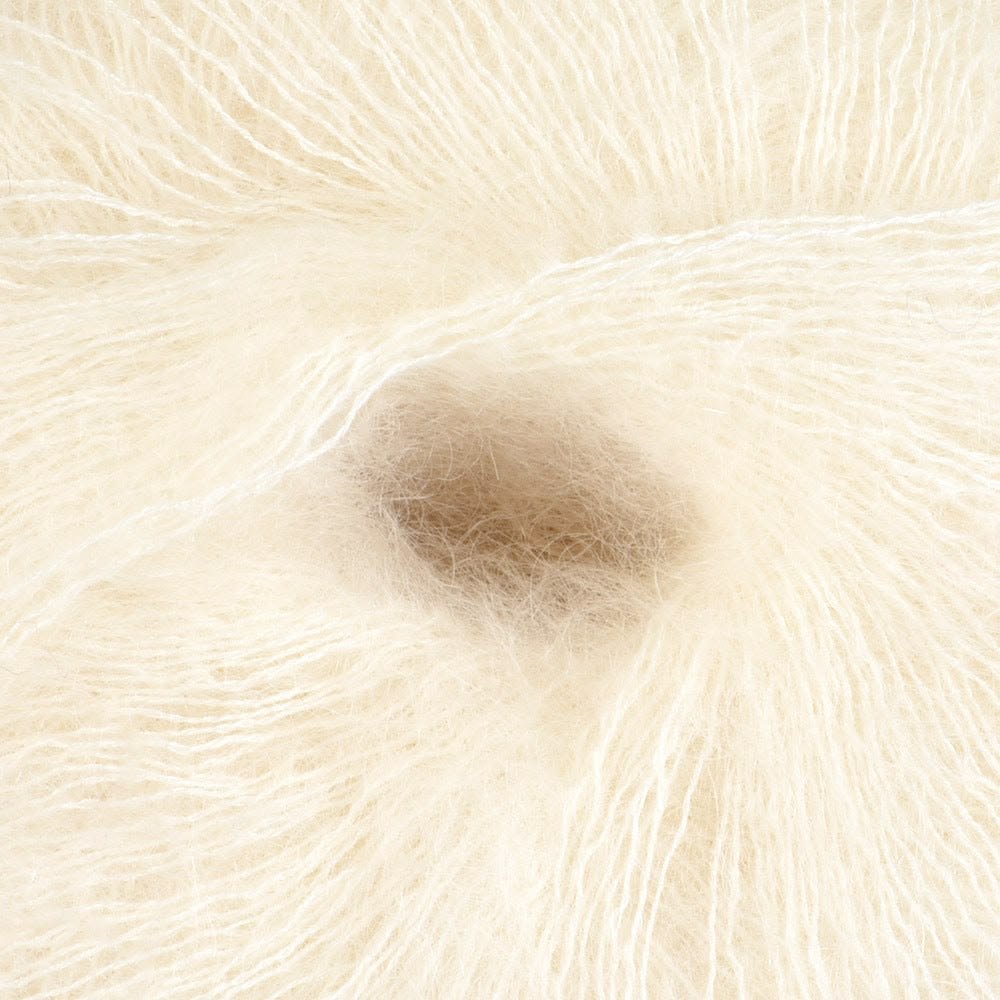
Mohair comes from the Angora goat (not the Angora rabbit — that’s a different fiber). The fibers are long, smooth, and have a natural luster. Mohair is graded by kid (first shearing, finest), young goat, and adult.
What it feels like: Silky and slippery, with a slight halo (fuzziness). Kid mohair is very soft. Adult mohair can be slightly scratchy against skin. The fiber is straight, with no crimp, so it drapes differently than wool.
What it does well: Luster. Mohair takes dye beautifully and has a natural sheen that wool doesn’t. It’s very strong for its fineness — mohair fibers are among the strongest natural fibers. It’s also resilient and doesn’t wrinkle easily.
What it doesn’t do well: The smooth fibers don’t hold together as well as wool in a yarn. Mohair garments can stretch out of shape over time. And the halo that gives mohair its characteristic look can cause itching for sensitive skin.
Common uses: Often blended with wool (30-50% mohair) to add luster and a soft halo. Pure mohair sweaters are less common because the fiber needs structure from something with more crimp.
Price level: Moderate to high. Kid mohair is more expensive than adult.
4. Alpaca
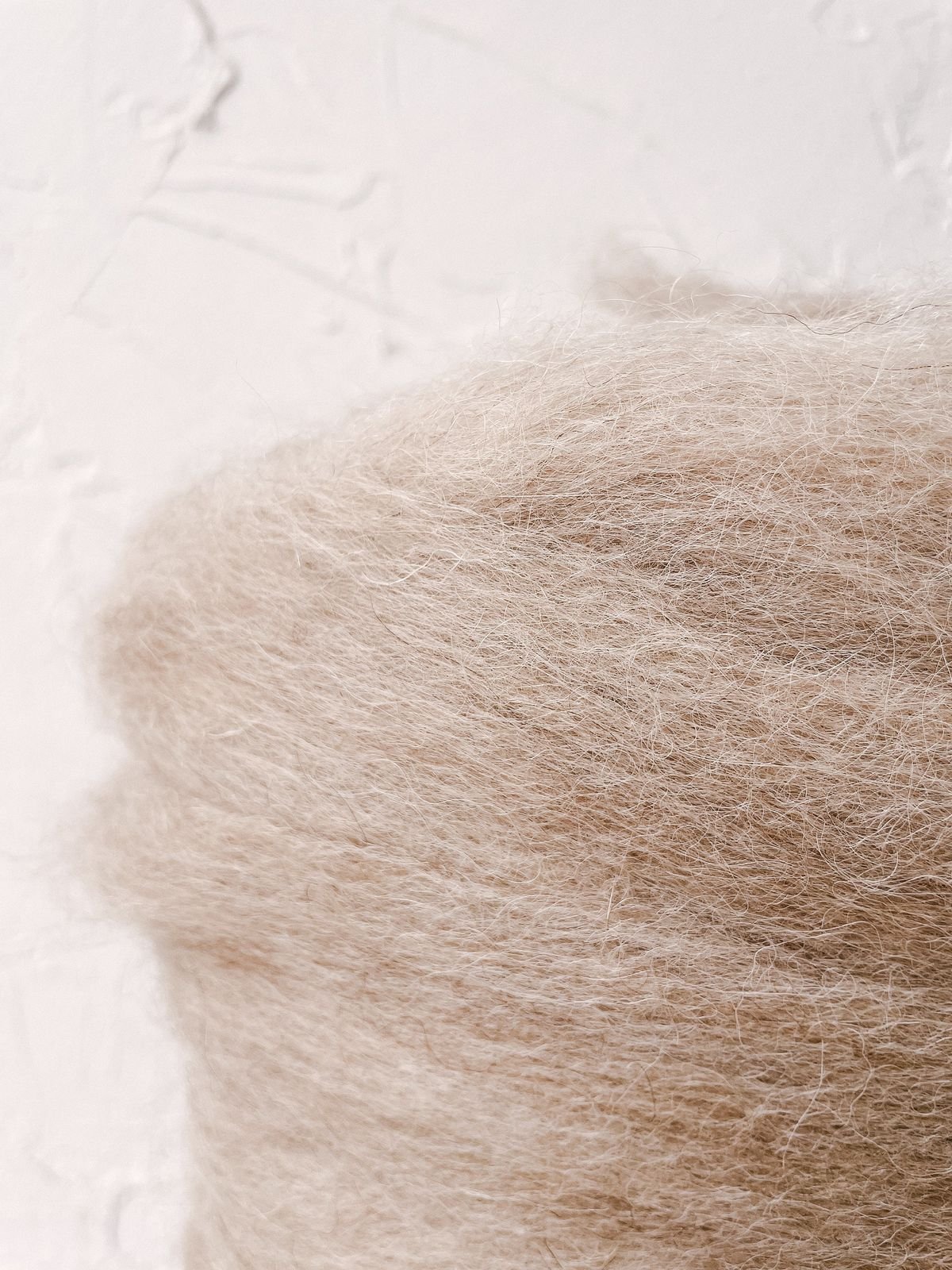
Alpaca fiber comes from two types of alpaca: Huacaya (dense, crimpy fleece) and Suri (long, silky, dreadlock-like). Peru produces about 80% of the world’s alpaca fiber.
What it feels like: Warmer and lighter than wool. Alpaca fibers are hollow (like a drinking straw), which gives them excellent insulation without weight. The fiber is smoother than wool, with less prickle. Baby alpaca (the first shearing) is as soft as cashmere.
What it does well: Thermal properties. Alpaca is 2-3x warmer than sheep’s wool at the same weight. It’s also hypoallergenic for most people — alpaca has no lanolin (the oil in sheep’s wool that some people react to). And it comes in more natural colors than any other fiber (22+ natural shades).
What it doesn’t do well: The hollow fiber structure means alpaca can be less elastic than wool. Garments can sag or stretch with repeated wear if not blended with a more resilient fiber. It’s also less available and more expensive than wool.
Common types: Royal alpaca (finest, rarest), baby alpaca (very fine, from first shearing), fine alpaca (adult, good quality), and coarse alpaca (used for blends or outerwear).
Price level: Moderate to high. Baby alpaca approaches cashmere pricing.
5. Camel hair
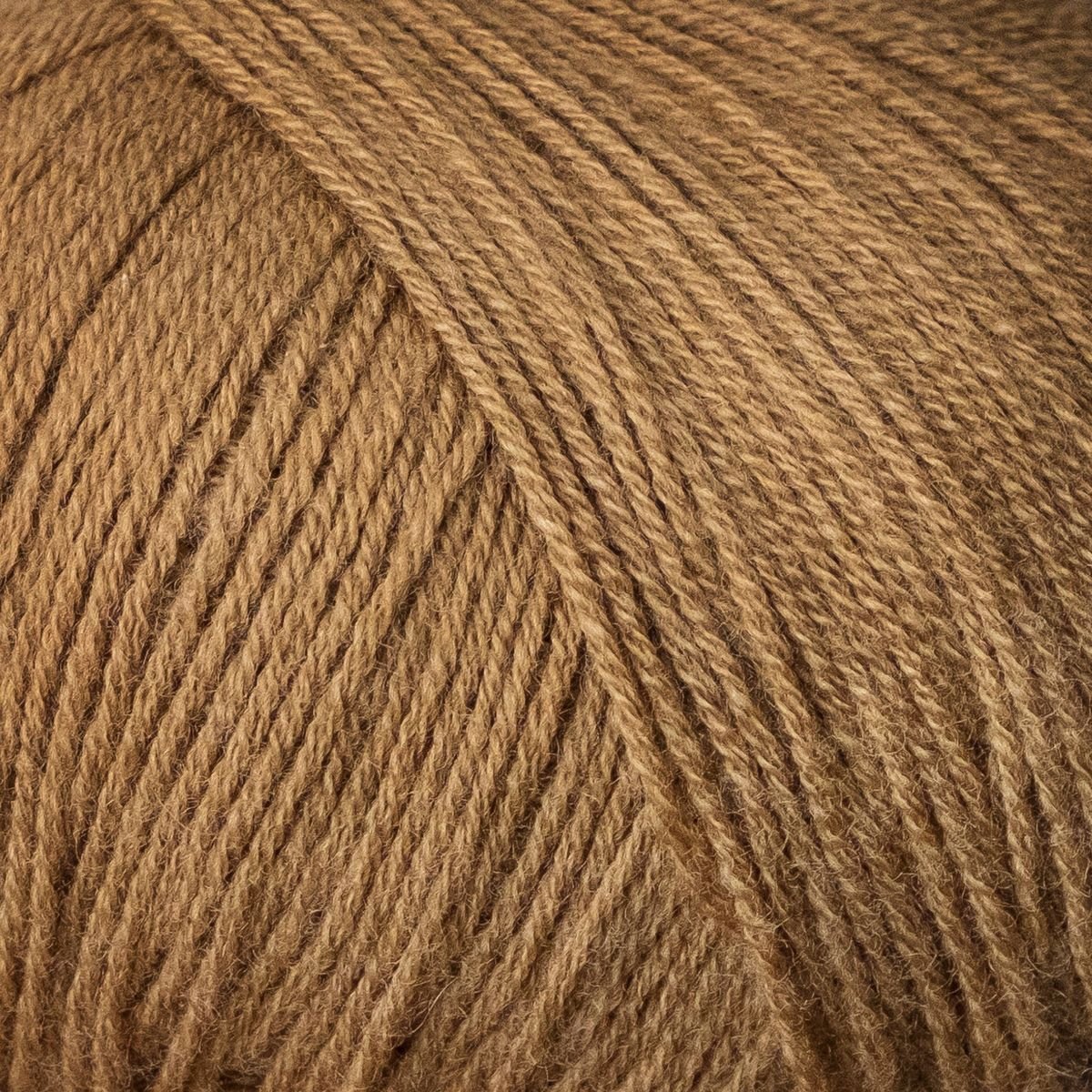
Camel hair comes from the Bactrian camel (two-humped). The soft undercoat is collected during the molting season. Like cashmere, it’s a limited resource — each camel produces about 5-10 pounds per year.
What it feels like: Light, warm, and very soft. Camel hair fibers are 14-23 microns (overlapping with cashmere territory at the fine end). It has a distinctive warm, reddish-brown natural color that’s hard to replicate with dye.
What it does well: Wicking moisture away from the skin is better than sheep’s wool. Camel hair also has a smooth surface that resists pilling. The natural color is consistent and appealing — many customers buy camel hair specifically because of its natural shade.
What it doesn’t do well: Pure camel hair is expensive and not as durable as wool. It’s not as widely available as wool or cashmere. And because of its natural color range, dyeing it to specific colors is harder.
Common uses: Often blended with wool (30-50% camel hair) for a softer feel and warmer color. Pure camel hair coats exist but are premium products.
Price level: High. Comparable to cashmere.
6. Yak wool
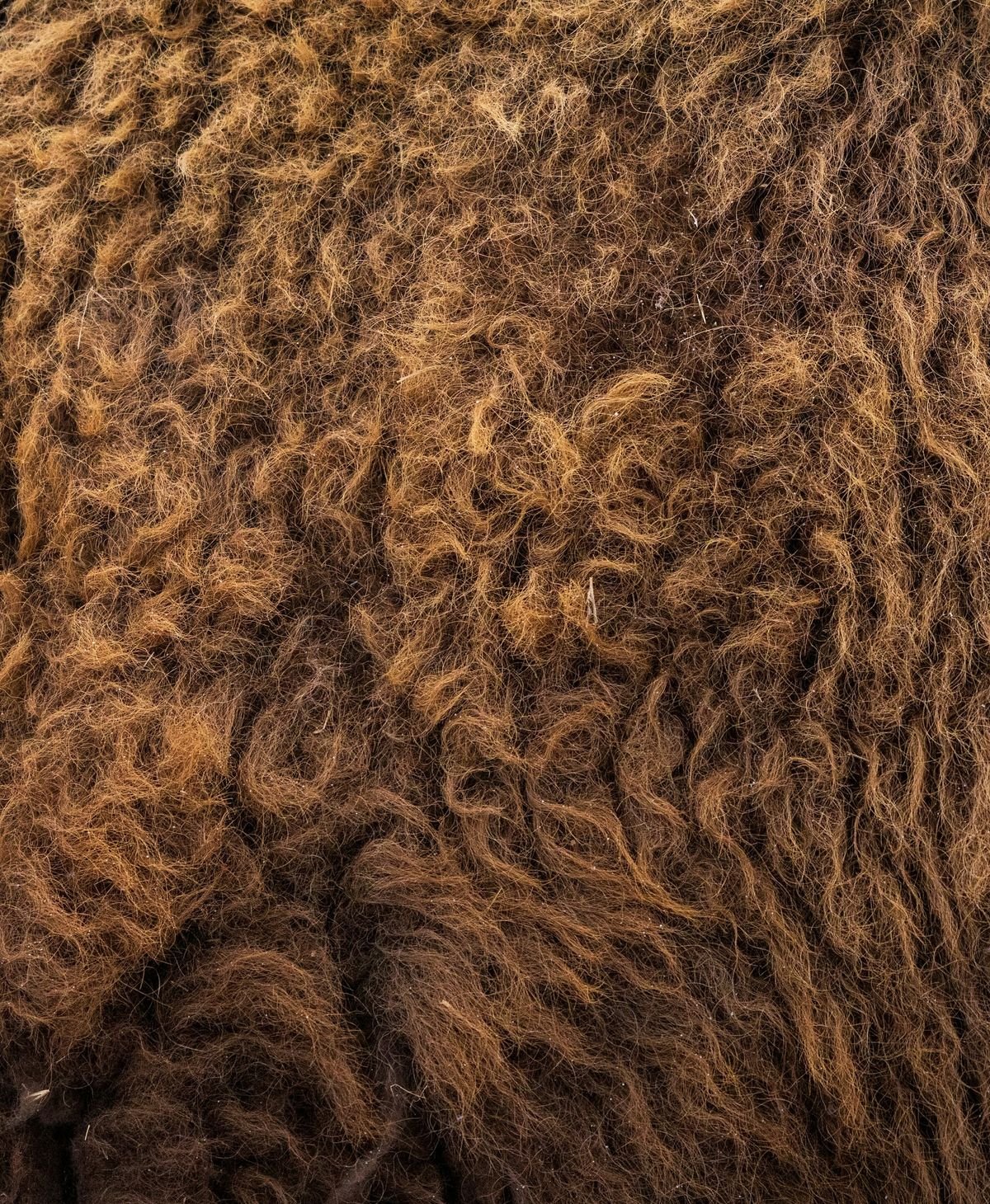
Yak wool comes from the undercoat of the domestic yak, mainly from the Tibetan Plateau. The outer guard hairs are coarse; the undercoat (what you want for sweaters) is fine and warm.
What it feels like: Very similar to cashmere in fineness (15-19 microns). But it’s warmer than cashmere — yak fibers have a unique structure that traps more air. The hand feel is soft with a slightly “dry” texture like cashmere.
What it does well: Extreme warmth at low weight. Yak wool can be 50% warmer than merino wool at the same thickness. It also wicks moisture well and has natural anti-bacterial properties. And it’s a sustainable story — yaks graze on high-altitude grasslands with minimal environmental impact.
What it doesn’t do well: Color range. Most yak wool comes in natural shades of brown, gray, and black. Dyeing it to bright colors is possible but not always consistent. And like cashmere, it’s less durable than sheep’s wool.
Price level: High. Comparable to cashmere, sometimes slightly less depending on processing.
7. Angora (rabbit)
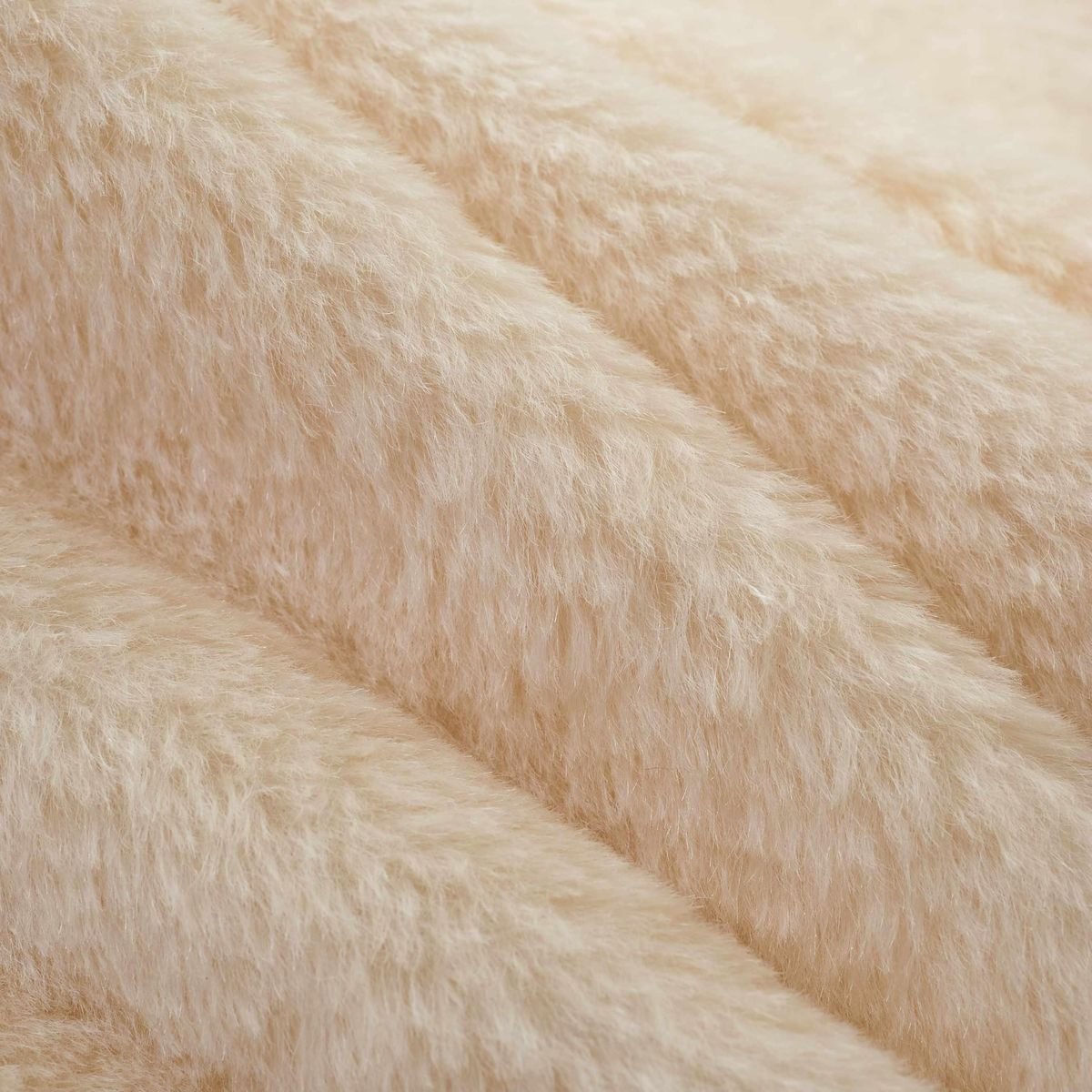
Angora fiber comes from the Angora rabbit. The fiber is hollow (like alpaca), extremely fine (12-15 microns), and has a characteristic fluffy halo.
What it feels like: Extremely soft and fluffy. Angora is warmer than wool because of the hollow fiber structure — it traps air very efficiently. The halo gives it a distinctive look that’s hard to mistake for any other fiber.
What it does well: Insulation. Angora is about 7x warmer than wool by weight. The fluff creates a layer of trapped air that insulates even when the fabric is thin. It also takes dye very well.
What it doesn’t do well: Shedding. The fibers are short and straight, so they work their way out of the yarn easily. An angora sweater will deposit fluff on everything it touches. Durability is poor — the fibers break under repeated stress. Pure angora garments need careful handling.
Common uses: Almost always blended with wool or nylon (15-30% angora) to add a soft halo without excessive shedding. A 100% angora sweater is rare and expensive, and requires very careful handling.
Price level: Moderate to high. Angora fiber itself is expensive, but blends are affordable.
Quick reference: which fiber for which use
| Fiber | Warmth | Softness | Durability | Wrinkle resistance | Moisture wicking | Cost |
|---|---|---|---|---|---|---|
| Sheep wool | Good | Moderate | Good | Moderate | Excellent | $ |
| Merino wool | Good | High | Good | Moderate | Excellent | $$ |
| Cashmere | Very good | Excellent | Moderate | Excellent | Good | $$$$ |
| Mohair | Good | Moderate (kid = high) | High | Good | Good | $$$ |
| Alpaca | Excellent | High | Moderate | Moderate | Good | $$$ |
| Camel hair | Very good | Very high | Moderate | Good | Very good | $$$$ |
| Yak wool | Excellent | Very high | Moderate | Good | Excellent | $$$$ |
| Angora (rabbit) | Superior | High | Low | Low | Moderate | $$$ |
What this means for sourcing
The fiber choice determines everything about your sweater — what it costs, who buys it, and how long it lasts.
Wool is the workhorse. It’s reliable, predictable, and customers understand it. If you’re building a standard knitwear line, wool (especially merino) gives you the best balance of performance and cost.
Cashmere is the premium play. Customers pay for the feel. But they also expect to pay more, and they expect the garment to need special care. The margin is there if you can sell the story.
Mohair and alpaca are differentiators. Not every brand uses them. They give your line a talking point — the sheen of mohair, the warmth of alpaca.
Yak and camel hair are niche, but growing. Sustainability-conscious customers like the natural sourcing story. They’re harder to source but command higher prices.
Angora is a specialty component. Rarely used as a primary fiber. But at 15-30% of a blend, it transforms the hand feel and look.
At Lewen Garment, we’ve worked with all of these fibers — sheep’s wool in all grades from coarse to extra-fine merino, cashmere from Inner Mongolia, kid mohair from South Africa, baby alpaca from Peru, camel hair and yak from Central Asia, and angora from European rabbit farms. We’ve knitted them in blends and in pure form, in gauges from 3gg to 18gg, and shipped them to brands across Europe, North America, and Asia.
If you’re evaluating which fiber works for your next collection, we can help you make that call based on your price point, your target customer, and your quality requirements.
FAQ
- Which animal fiber is the warmest?
Angora is the warmest by weight (7x warmer than wool). Alpaca and yak are close behind. Wool and mohair are moderate. None of these fibers are “cold” — they all insulate, just at different levels. - Which is best for sensitive skin?
Alpaca (no lanolin) and cashmere (fine fiber diameter, no prickle) are the best choices. Avoid coarse-grade wool and adult mohair, which can cause itching. - Can different animal fibers be blended?
Yes, and they often are. Wool + cashmere blends give you cashmere feel at a lower cost. Wool + alpaca adds warmth. Wool + mohair adds luster. The blend ratio determines the final properties. - Which fiber is most durable?
Sheep’s wool (especially if blended with nylon) is the most durable. Mohair is also strong. Cashmere, yak, and angora are more delicate and need careful handling. - Which fiber pills the most?
Short-staple fibers like cashmere and fine wool pill more initially than long-staple fibers like mohair. But pilling varies by twist, knit structure, and fiber quality — not just the fiber type.