


If you’re sourcing menswear for the coming seasons, you’ve probably noticed two things: lightweight knits are selling year-round now, and buyers are asking more questions about where the yarn comes from. This isn’t a niche concern — it’s becoming baseline for any brand that sells in Europe or North America. Here’s what’s driving the shift and what it means for your production planning.
1. Recycled yarns go mainstream: from novelty to standard option
What’s changed
Recycled yarns — post-consumer recycled polyester, recycled cotton blends, and mechanically recycled wool — have moved from “sustainable premium” to a routine option in most knitting mills. The key driver? Price parity. As recycling capacity expanded through 2025-2026, the cost gap between virgin and recycled synthetics narrowed to roughly 10-15% for most standard specifications.
Why it matters for production
- Lead time: Recycled yarns still require 3-4 weeks longer for dye lot matching compared to virgin stock yarns. Plan your sample timeline accordingly.
- Consistency: Mechanically recycled wool shows more variance in fiber length. This affects spinning consistency, which shows up in the finished fabric hand feel. It’s not a defect — it’s a characteristic — but your design team should sign off on the hand feel before bulk production.
- Color matching: Recycled polyester dyes differently than virgin. Your dye house needs to run a separate lab dip for any blend containing recycled content.
What we’re seeing at Lewen Garment
For spring/summer 2026 orders, roughly 30% of new development projects now specify some recycled content in the yarn spec. Most common is a recycled polyester / cotton blend in 12-to-16gauge for polo knits and T-shirt fabrics. For true knitwear (sweaters, cardigans), recycled wool blends are gaining traction but remain under 15% of total volume — mainly because the hand feel difference is harder to mask in a 12-gauge or finer garment.
2. Traceability: the paperwork is the product now

The EU regulation shift
The EU’s Digital Product Passport (DPP) requirements, rolling out through 2026-2027, mean that any garment sold in the EU market needs verifiable data on material origin, processing stages, and recycling potential. This isn’t optional for EU-bound products — it’s a legal requirement.
What this means for brands and factories
- Blockchain-based tracking: Several major spinning mills now offer blockchain-verified traceability from fleece/bale to finished yarn. Expect this to become the norm within 18 months, not a differentiator.
- Documentation cost: Adding traceability systems adds roughly USD 0.15-0.30 per garment in administrative and testing costs depending on fiber type and number of supply chain handoffs.
- What to ask your factory: Don’t just ask “is it traceable?” Ask how far back the traceability goes — to the spinning mill? To the fiber producer? To the farm? Each step back adds cost and complexity.
Practical takeaway
If your brand sells into the EU, start building traceability documentation into your tech packs now. The mills that already have systems in place will have shorter lead times when compliance becomes mandatory. If you’re not in EU markets yet, you’ll still benefit — major retailers in North America are following the same direction.
3. Fine-gauge knits for transitional seasons
The gauge shift
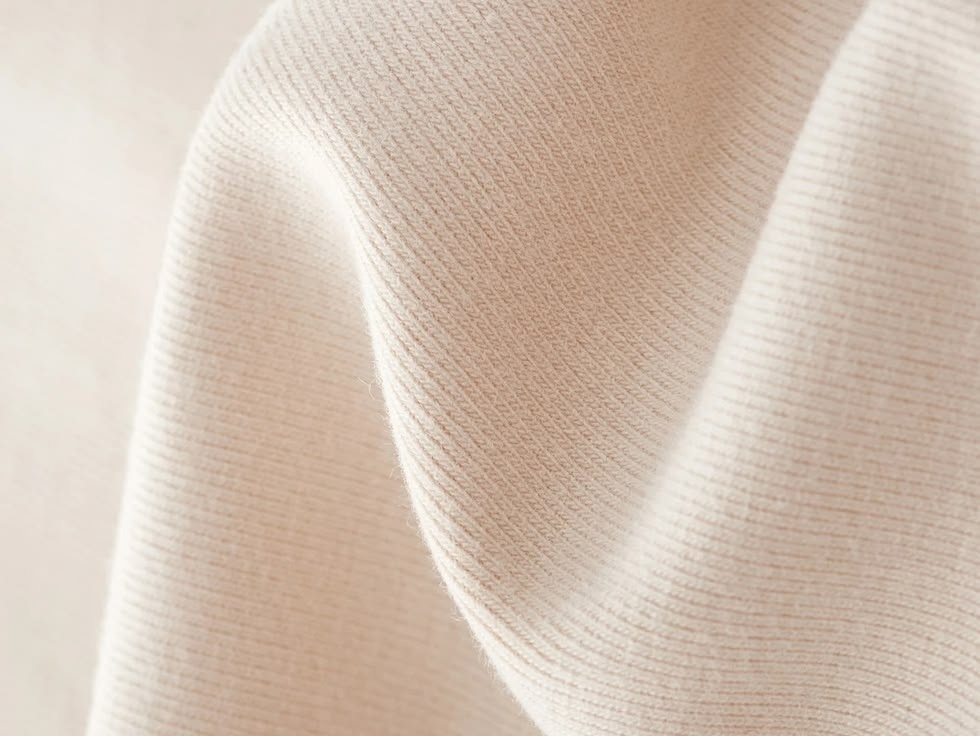
The biggest product trend we’re tracking in mid-2026 is the continued migration toward finer gauges for menswear knitwear. 12-gauge used to be considered “fine” for a sweater. Now 14-gauge and 16-gauge are common, and 18-gauge is becoming the standard for lightweight cardigans and pullovers.
Why finer gauges
- Season extension: A 16-gauge merino blend pullover works from early spring through late autumn. That’s 6-7 months of retail sell-through vs. 3-4 months for a traditional 7-gauge chunky knit. Better sell-through period means better margin for retailers and more consistent factory orders.
- Layering: Fine-gauge knits layer better under outerwear. That’s been the driving end-use demand — customers want a sweater they can wear under a jacket without looking bulky.
- Machine utilization: From a factory perspective, fine-gauge machines (14-18 gauge) are more versatile. They can produce both knitwear and cut-and-sew knitted tops, which means fuller utilization across seasons.
Specs to watch
- 12-gauge — still the workhorse for mid-weight sweaters with structure
- 14-gauge — sweet spot for dressier knit polos and light cardigans
- 16-gauge — growing fastest, especially for fine-gauge merino crewnecks
- 18-gauge — replacing jersey in some cut-and-sew applications
4. What this means for brands and designers
- Fiber sourcing lead times are getting longer, not shorter. With recycled and traceable yarns, plan for 3-5 extra days on top of standard spinning lead time. This compounds across the supply chain, so start your yarn sourcing conversation early.
- Gauge selection affects MOQ. Fine-gauge machines (16G and above) often run at lower production speeds, which means higher per-unit cost at low volumes. If you’re below 200 pieces per style, a 12-gauge construction might be more cost-effective even if the design brief calls for finer gauge. Plan accordingly.
- Traceability isn’t optional for EU markets. If you’re sourcing for European distribution, verify your factory’s documentation capability before placing the order. Don’t assume — test the paperwork trail with a sample order first.
- Recycled content changes the hand feel. Budget for an extra development round if you’re specifying recycled fibers for the first time. The hand feel difference is real, and your customers will notice it. Better to catch that in sampling than in production.
The short version: sustainable sourcing is no longer a niche request — it’s becoming the production default. Factories that have invested in recycled yarn capability, fine-gauge machine capacity, and supply chain traceability will have the advantage. Lewen Garment has been running these specs since 2024, so we’ve been through the learning curve. If you’re new to recycled blends or fine-gauge construction, start with a small development order — 50-100 pieces — to validate the spec before scaling.
FAQ
What’s the main difference between recycled and virgin yarn for knitwear?
Recycled yarns — especially mechanically recycled wool and recycled polyester — show more variance in fiber length and dye uptake. This affects the hand feel and color consistency. It’s not a quality issue, but it requires extra development rounds to nail the spec.
What gauge is best for lightweight summer menswear knitwear?
16-gauge is the fastest-growing spec for lightweight menswear sweaters and cardigans. It balances a refined hand feel with good production speed. 14-gauge is the next most common option for a slightly sturdier fabric.
Do EU traceability requirements affect small brands with low MOQs?
Yes. Even small orders need verifiable documentation on material origin if they’re sold in the EU. The documentation cost is roughly USD 0.15-0.30 per garment. Some Chinese factories, including Lewen Garment, now offer traceability packages for orders as low as 200 pieces.
Can I mix recycled and virgin yarns in the same garment?
Technically yes, but it’s tricky. Recycled and virgin yarns dye differently, so if they’re in different panels of the same garment, you’ll see a shade difference. Best to use one yarn type across the whole garment or accept intentional contrast.