



If you’re sourcing knitwear for next season, you’ve probably noticed the briefs are different this year. Not just different colors or silhouettes, but different specs — lighter gauges, specific certifications, shorter lead times. The brands asking for quotes in Q2 2026 aren’t describing the same products they were a year ago.
This article covers three shifts that are actually affecting how sweaters get made: new yarn tech hitting production lines, the spring/summer 2026 silhouette data from retail, and what “sustainable manufacturing” means in practice for small to mid-size brands.
1. The 3D knitting shift is real this time
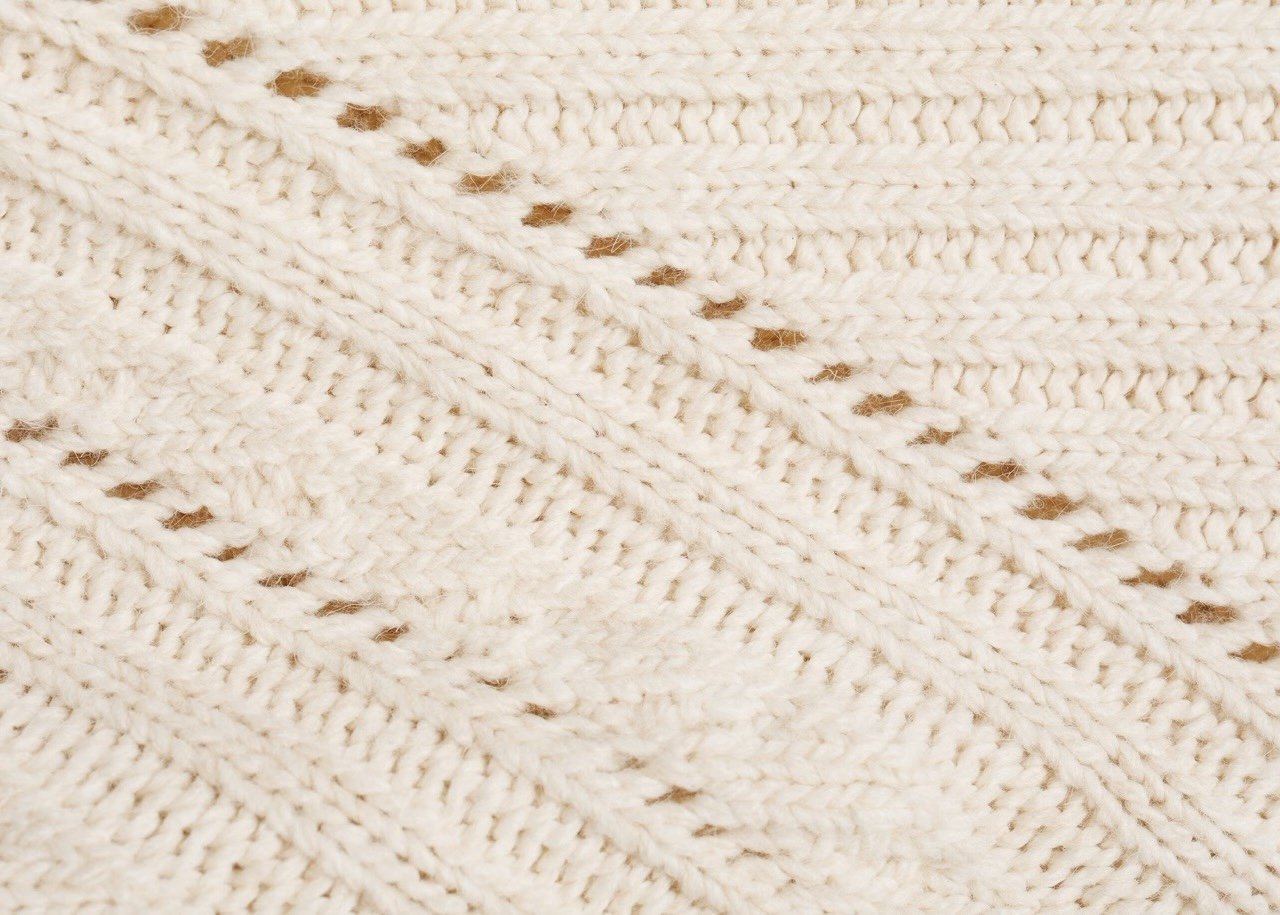
For years, “seamless knitting” was a buzzword. In 2026, it’s becoming a production standard for certain categories.
The company unspun recently announced a new manufacturing model that creates garments directly from 3D body scans, using complete garment knitting (also called whole garment or “knit-and-wear”) technology. Instead of cutting and sewing panels together, the machine knits the entire piece in one go.
What this means for you as a buyer:
- Zero fabric waste. No offcuts. No cutting room floor. For a typical cut-and-sew sweater, fabric waste runs 15–25%. Whole garment eliminates that.
- No side seams. The garment is one continuous piece. Less sewing labor, fewer weak points.
- Lower MOQ for complex fits. Because there’s no pattern grading labor, changing sizes doesn’t require recutting markers. Some 3D knitting setups can run MOQs as low as 50–100 units per design.
The catch: machine time is slower per unit than flatbed knitting for simple shapes. If you’re making 10,000 plain crewnecks, cut-and-sew is still cheaper per piece. But for complex shapes, layered constructions, or zero-waste briefs, 3D knitting has crossed the cost-efficiency threshold in 2026.
2. Spring/summer 2026: lightweight knits are the story
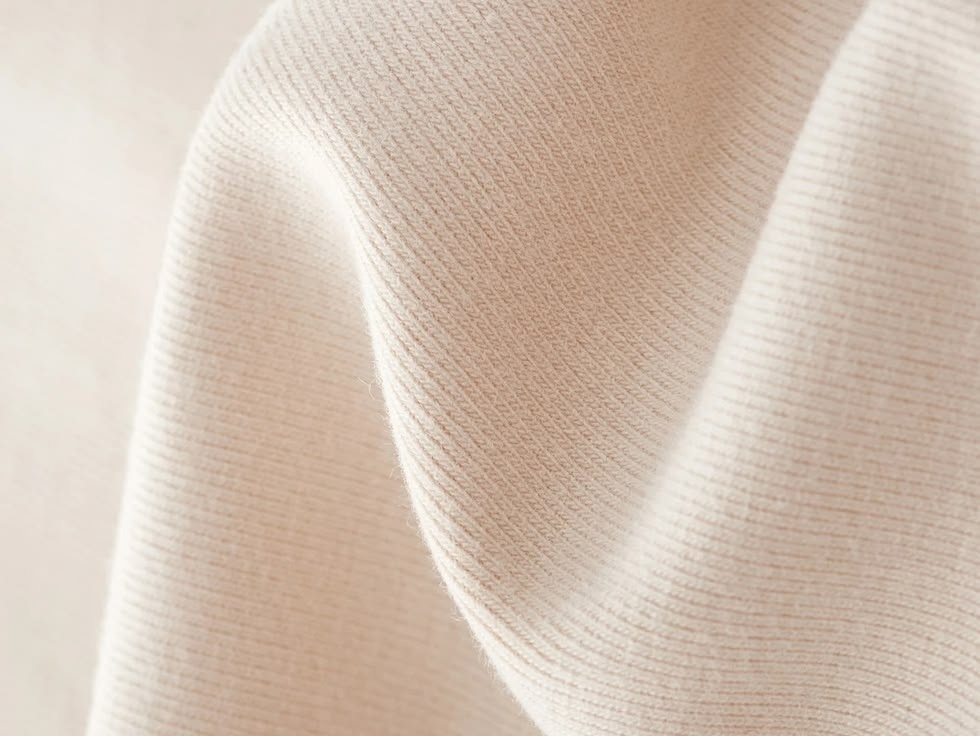
The “knitwear is only for winter” idea is dead. SS26 retail data shows knits in lightweight gauges — 12-gauge to 16-gauge — are the growth category.
What’s selling:
| Category | Gauge | Yarn types | Key silhouettes |
|---|---|---|---|
| Fine knit tops | 14–16gg | cotton, linen-cotton, viscose-nylon | Polos, henleys, short-sleeve crews |
| Summer cardigans | 12–14gg | acrylic-cotton, bamboo blends | Open front, oversized, hip-length |
| Knit dresses | 12–14gg | viscose-nylon, pima cotton | Slip style, ribbed bodycon, A-line |
| Knit shorts & skirts | 12–16gg | cotton-nylon, linen | Elastic waist, cuffed hem |
What’s driving this:
- Seasonless dressing. Brands are designing pieces that work March through October. A 14-gauge linen-cotton crew can layer over a tee in spring and stand alone in summer.
- Travel-friendly. Non-wrinkle blends (acrylic-nylon, polyester-viscose) are being specified for their packability, not just their price. Google search volume for “wrinkle free knitwear summer” has grown steadily through early 2026.
- Air-conditioning. Office workers and travelers want a layer that fits in a bag and works indoors. Lightweight knits fill that gap.
SS26 Google search trends confirm this: “spring summer 2026 knitwear trends” and “summer knitwear 2026” are both showing sustained search interest, particularly from US and UK markets.
3. What “sustainable manufacturing” means in practice
The Seed to System initiative launched by CreateMe, Avalo, and Laguna Fabrics is worth paying attention to. It’s a fully traceable production pipeline from cotton seed to finished garment, using digital IDs at each stage.
Here’s the thing: most small brands can’t afford to build their own traceability system. But they can source from factories that are already on these platforms.
What to ask your factory:
- “Do you have GRS or RCS certification for recycled yarns?” — This is the baseline. If they don’t, you can’t claim recycled content on a hang tag.
- “Can you provide yarn mill certificates?” — Not just “we use organic cotton,” but the actual certificate from the spinning mill. The Cotton ConneXions initiative is making this easier by digitizing certificate sharing across the supply chain.
- “What’s your waste percentage per style?” — A good factory tracks this per order. 3–5% waste in production is normal for cut-and-sew. Anything over 8% means their marker-making or operator training needs work.
- “Do you offer recycled yarn alternatives for my spec?” — Many mills now produce recycled nylon, recycled polyester, and mechanically recycled cotton yarns that can be substituted directly into existing knitting programs. Lead time might add 2–3 weeks, but the hand feel and performance are near-identical.
The Global Nonwovens Alliance also launched an e-learning initiative this year for industry knowledge — it’s more focused on nonwovens, but the tracking and certification principles apply across textile categories.
4. What this means for your next order
If you’re planning production for early 2027 (which means sourcing starts now), here’s the practical takeaway:
- Lightweight knits are the demand. If your current catalog is all 7-gauge and 9-gauge sweaters, add some 12–16 gauge options for summer. The seasonless sell-through is real.
- Ask about whole garment. If your style has complex shaping or you’re aiming for zero waste, get a quote from a factory with complete garment machines. The cost gap is narrowing.
- Get your certifications sorted. GRS, RCS, OEKO-TEX — if you don’t have these, you’re losing bids to brands that do. Your factory should have them, but you need your own chain-of-custody documentation too.
- Spec for packability. Travel knitwear is a growing subcategory. Acrylic-nylon and cotton-nylon blends with anti-wrinkle properties give you a product story that sells without being a gimmick.
The factories that survive the 2026–2027 season won’t be the cheapest. They’ll be the ones that can run lightweight gauges, provide mill traceability, and handle smaller MOQs for test runs. That’s where manufacturing is heading.
FAQ
What is whole garment (3D) knitting and should I use it?
Whole garment knitting, also called complete garment or 3D knitting, creates a sweater in one continuous piece with zero fabric waste and no side seams. It’s ideal for complex shapes and low MOQ runs, but per-unit machine time is slower than flatbed knitting for simple styles.
What gauges are trending for spring summer 2026 knitwear?
Lightweight gauges — 12-gauge to 16-gauge — are the growth category for SS26. Fine knit tops, summer cardigans, knit dresses, and knit bottoms in cotton, linen-cotton, and acrylic-nylon blends are driving demand.
What certifications do I need for eco-friendly knitwear manufacturing?
The most relevant certifications for knitwear are GRS (Global Recycled Standard) for recycled yarns, RCS (Recycled Claim Standard) for simpler chain-of-custody, and OEKO-TEX Standard 100 for chemical safety. Ask your factory for yarn mill certificates to verify claims.
What is the typical MOQ for custom sweater production from a Chinese factory?
Standard MOQ for flatbed knitting is typically 300–500 pieces per design per color. For whole garment 3D knitting, some setups can run as low as 50–100 units per design. Test runs and sampling MOQ is usually 1–3 samples per style.
How can I find a reliable knitwear manufacturer in China?
Look for manufacturers with GRS/OEKO-TEX certifications, proven experience in your target gauge range, and transparent communication on lead times and MOQ. Visiting the factory or arranging a video tour is standard practice for serious partnerships.