



For brands and designers sourcing winter sweaters and knitted pullovers (fully-fashioned crewnecks, rollnecks, V-necks), the yarn choice is the biggest cost and quality driver. A pullover can range from budget-friendly to premium depending on fiber, and the wrong pick means either a garment that doesn’t keep anyone warm or one that prices itself out of your target bracket.
Here’s what actually works for cold-weather knitwear. No fluff, just specs.
1. Merino wool — the all-rounder
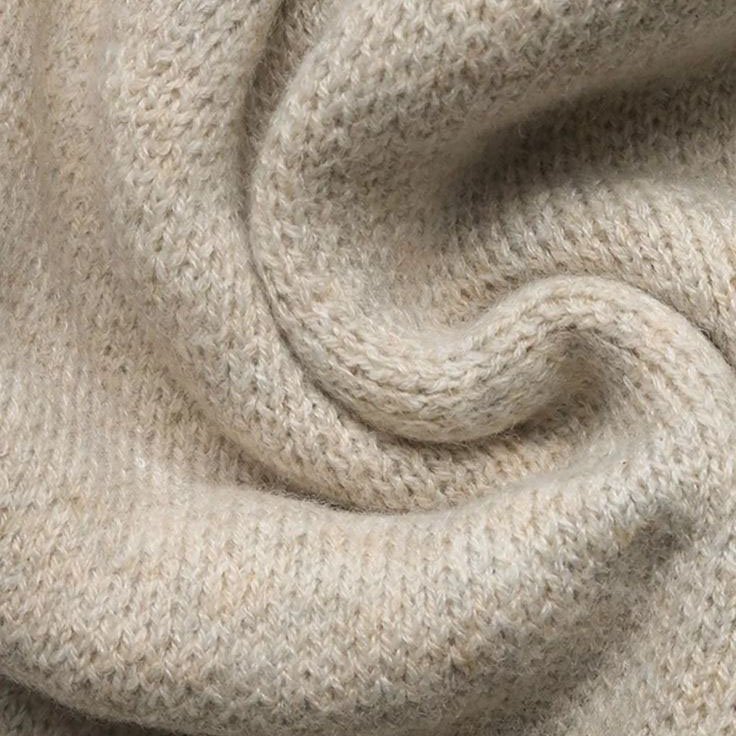
Merino is the most versatile yarn for autumn/winter sweaters. The fiber diameter (18–24 microns) gives it a softness that standard wool can’t match, and the natural crimp traps air for insulation without bulk.
Gauge and weight
Merino pullovers work best at 7-gauge to 12-gauge. The two workhorse gauges are compared in 7GG vs 12GG knitwear. 7-gauge produces a chunky, outdoorsy look at 400–500 gsm. 12-gauge gives a finer, more refined fabric at 280–350 gsm — good for layering under a jacket.
Yarn count
A 2/28Nm or 2/32Nm merino yarn on 12-gauge is the industry default for mid-weight winter sweaters. Women’s and men’s versions of the same style often run at different gauges and weights, so spec each one separately. For heavier winter pieces, 2/14Nm on 7-gauge hits the mark.
Superwash treatment
Superwash merino has been treated to prevent felting in machine washing. It’s standard for brands targeting the mass market. The tradeoff: the treatment uses chlorine and a resin coating, and some brands (especially high-end) reject it for environmental reasons.
Cost note
Merino sits in the mid-to-premium range for yarn. Prices vary with micron count and certification (ZQ, RWS).
GTM search volume: “merino wool knitwear” (very high), “merino wool sweater manufacturer” (medium-high), “superwash merino yarn” (medium)
2. Lambswool — the workhorse
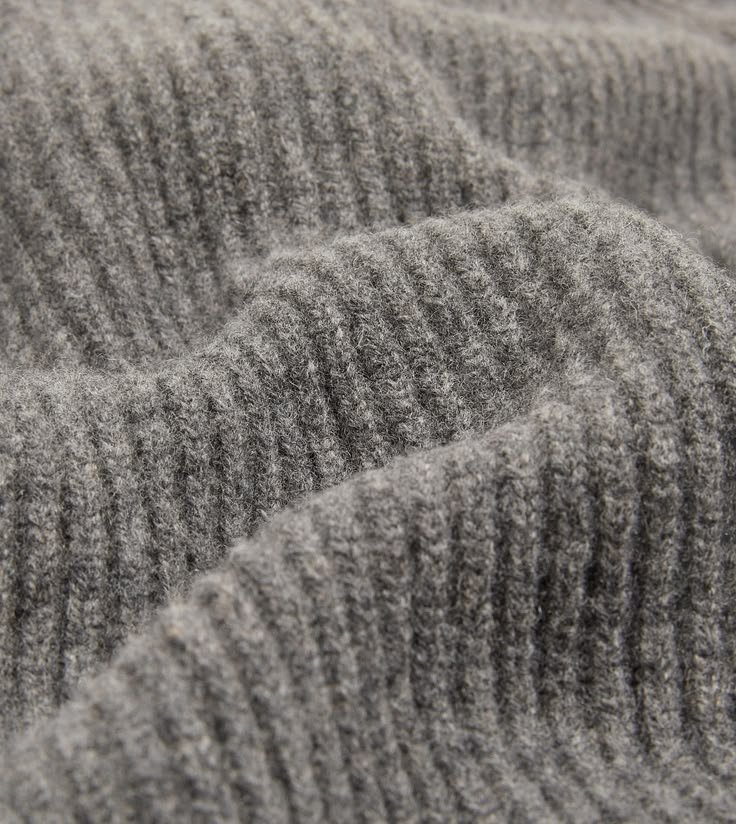
Lambswool comes from the first shearing of a sheep (around 7 months). It’s finer and softer than standard wool but not as fine as merino. Think of it as merino’s practical cousin — cheaper, still warm, and durable. The full comparison is in merino wool vs lambswool.
Typical specs
- Fiber: 24–28 microns (vs merino’s 18–24)
- Gauge: 7–12 gauge
- Weight: 300–450 gsm
Why brands use it
Lambswool is the standard for mass-market and mid-tier winter sweaters. It holds shape well, takes dye evenly, and has a natural loft that’s hard to replicate with synthetics. Most branded knitwear at the mid-range retail price point uses lambswool or a lambswool blend.
The itch factor
Some wearers find lambswool itchy. It’s not as soft as merino. If your target customer has sensitive skin, you’ll need a tencel or nylon lining, or step up to merino/cashmere.
GTM search volume: “lambswool knit sweater” (high), “lambswool cable knit sweater” (medium-high), “lambswool sweater bulk” (medium)
3. Cashmere — the luxury standard
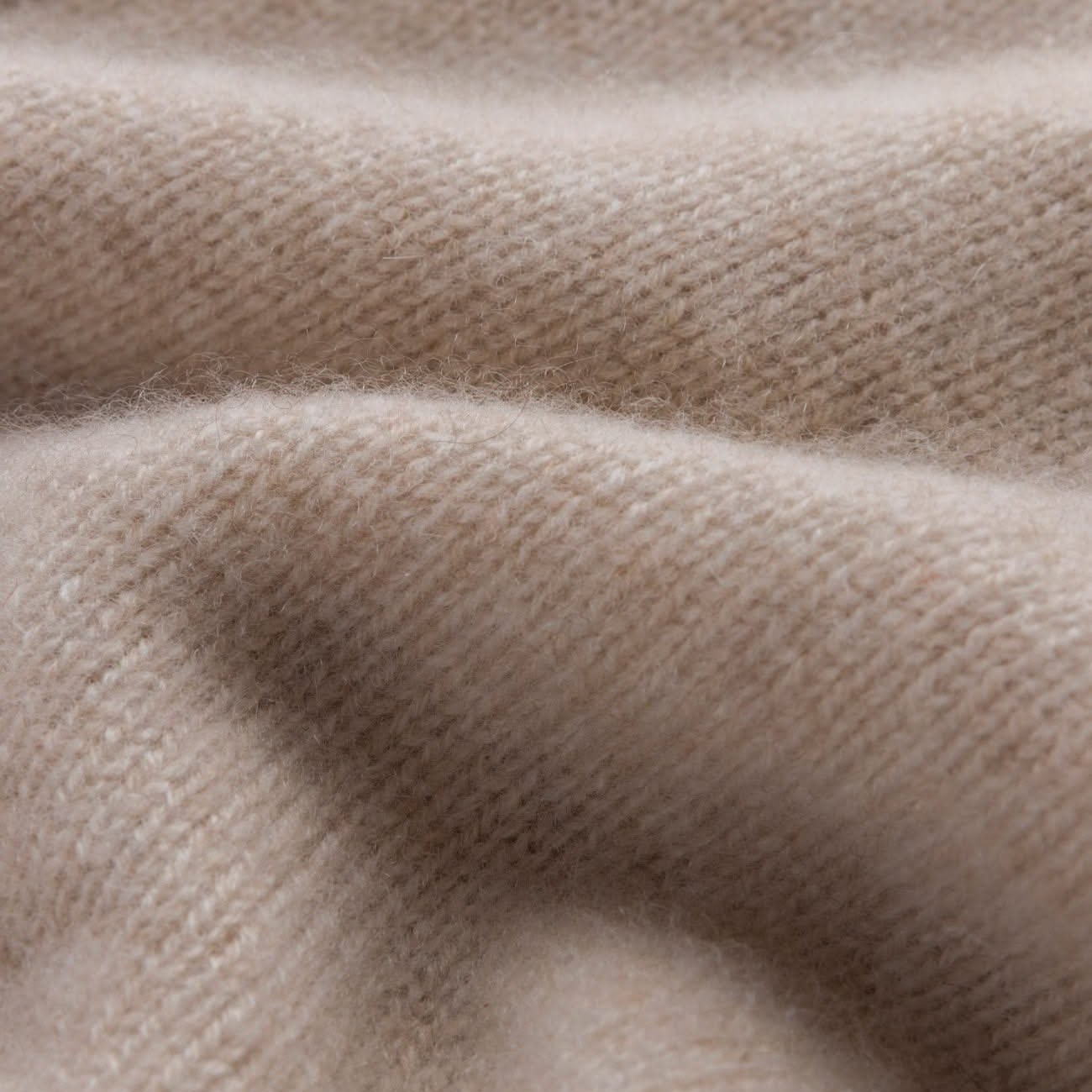
Cashmere is the fine undercoat of the cashmere goat. Each goat produces roughly 150–200g per year, which explains the price. For winter sweaters, cashmere is the premium benchmark.
Blend vs pure
- 100% cashmere — softest, priciest.
- 70% cashmere / 30% silk — adds sheen and strength. Common for luxury rollnecks.
- 50% cashmere / 50% merino — balances cost and hand feel.
Gauge
Cashmere knits best at 12-gauge or 14-gauge for winter sweaters. The fiber is delicate — 7-gauge cashmere is rare because the fabric would lack structure. Expect finished fabric weight of 250–320 gsm.
Care requirements
Cashmere needs dry cleaning or hand washing. If your brand is selling to customers who expect machine washability, cashmere is the wrong call — use a superwash merino or a treated cashmere-wool blend instead.
Cost per garment
Cashmere is the most expensive option among common sweater fibers. It’s a premium-tier investment for brands targeting high-end retail.
GTM search volume: “cashmere blend sweater manufacturers” (medium), “cashmere men’s pullover” (high), “cashmere merino blend” (growing)
4. Alpaca — warmer, lighter, pricier
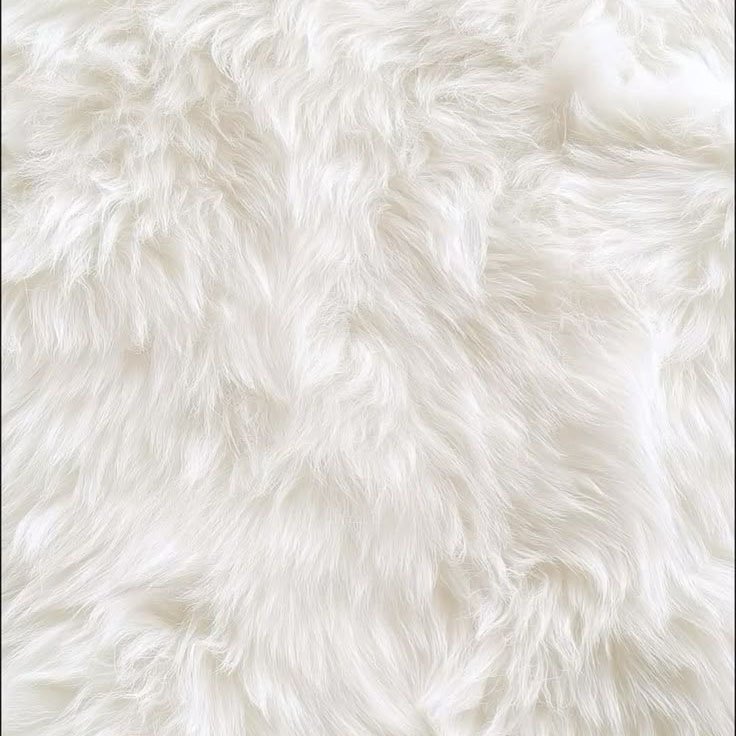
Alpaca fiber is hollow — the internal air pockets make it warmer than wool at the same weight. It’s also softer than sheep’s wool (though not as soft as cashmere) and naturally hypoallergenic (no lanolin).
Types
- Royal alpaca — finest (<20 microns), premium
- Baby alpaca — 20–23 microns, most common for garments
- Suri alpaca — longer fibers, silkier drape
How it’s used
Alpaca is rarely used at 100% in winter sweaters because it lacks elasticity — the garment will bag out at elbows and shoulders. Standard blends:
- 70% baby alpaca / 30% nylon or merino — good elasticity, warmth, reasonable cost
- 50% alpaca / 50% merino — warm, soft, wearable
Gauge
12-gauge is the sweet spot. Alpaca’s loft means even at 12-gauge, the fabric feels heavier than it is. Finished weight: 280–380 gsm.
Price
Alpaca yarn is mid-to-premium. It’s more expensive than lambswool but generally less than cashmere.
GTM search volume: “alpaca wool blend knit” (growing), “baby alpaca sweater” (medium-high), “alpaca knitwear manufacturer” (medium)
5. Cotton-wool blend — the bridge season mix
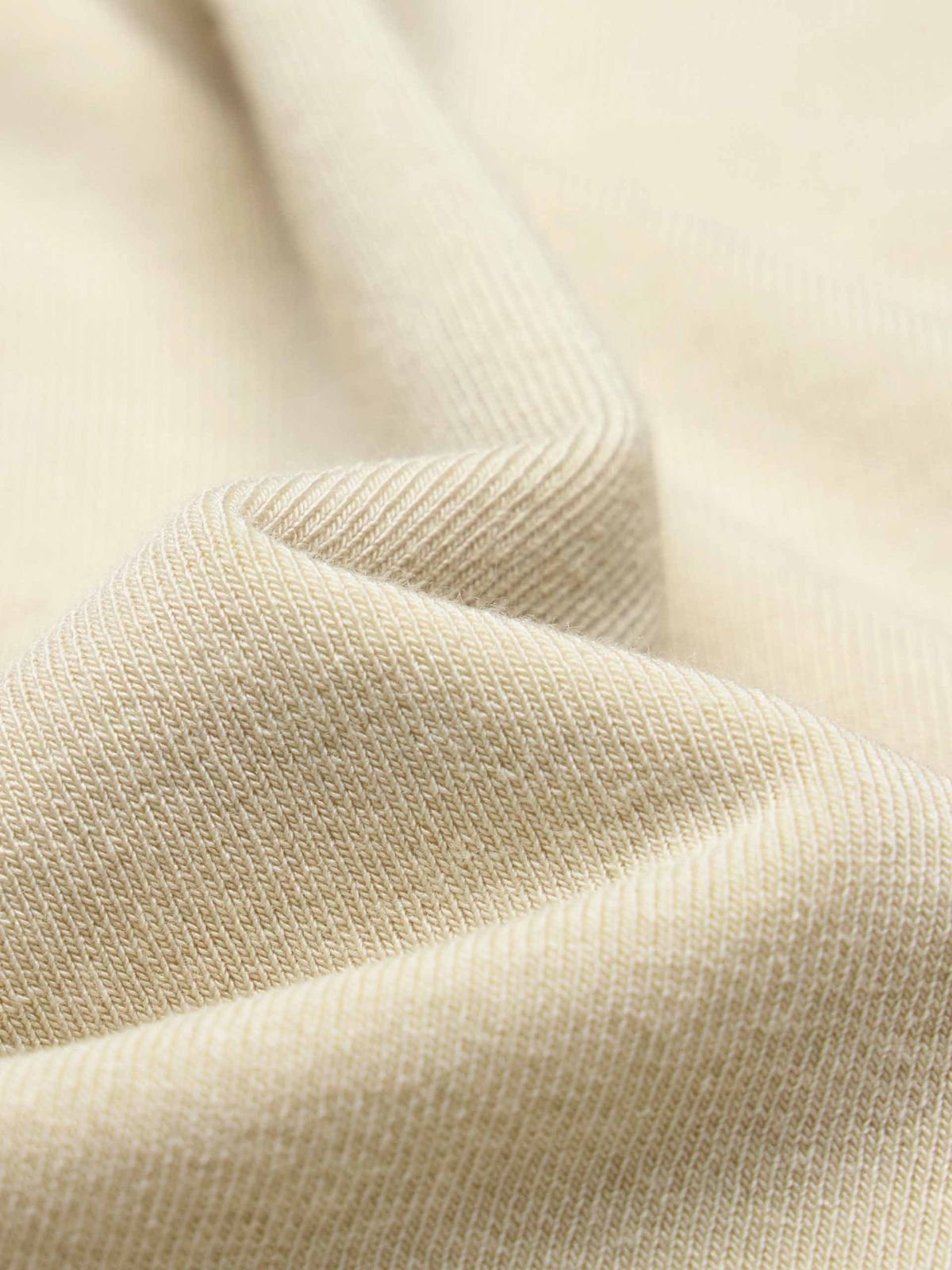
Cotton-wool blends sit between spring and winter. For the fibre decision behind that blend, see cotton vs wool knitwear. They work for early autumn and late winter in mild climates — think Shanghai, London, or San Francisco winters.
Common ratios
- 50% cotton / 50% merino — balanced breathability and warmth. Knits at 12-gauge, 250–320 gsm.
- 70% cotton / 30% wool — more cotton for easy care, enough wool for warmth
Why blend
Pure cotton at 7-gauge isn’t warm enough for real winter. Adding wool brings thermal insulation without changing the hand feel dramatically. It also reduces pilling compared to pure wool.
Cost
Cotton-wool blends are mid-range. They offer a practical balance for brands at the mid-tier retail level.
GTM search volume: “cotton wool blend knit sweater” (medium), “cotton merino blend” (medium)
6. Acrylic blends — budget warmth
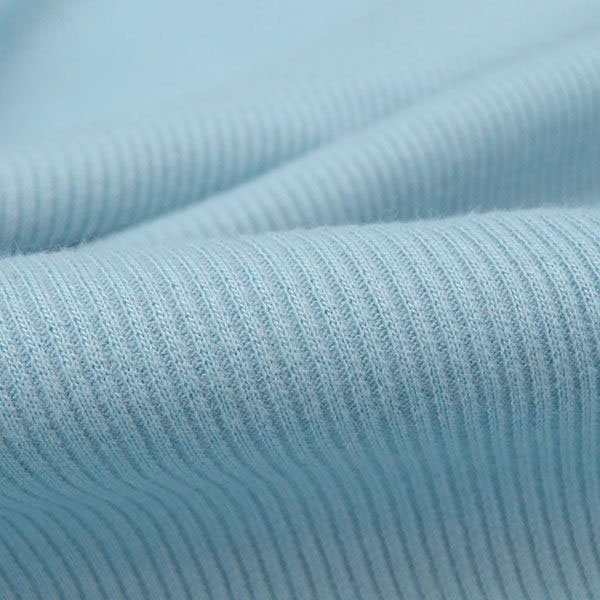
Acrylic is the most affordable way to produce a bulky, warm pullover. It mimics wool’s bulk and loft at a fraction of the cost.
The blend stack
- 100% acrylic — budget option. Pills fast, breathes poorly, retains odors. You get what you pay for.
- 50% acrylic / 50% wool — the practical mid-ground. Better breathability, less pilling than pure acrylic.
- 70% acrylic / 30% wool — common in fast fashion. Warm, cheap, but won’t last more than 2–3 seasons.
When it works
If your client is a mass-market retailer targeting low price points, acrylic blends are the realistic option. For any brand above that price bracket, acrylic looks and feels cheap on a hanger.
Anti-pilling
Some mills apply an anti-pilling finish (silicon-based) to acrylic yarns. It helps but doesn’t eliminate pilling. A 100% acrylic pullover will pill noticeably after many washes.
GTM search volume: “acrylic wool blend sweater” (medium-high), “acrylic sweater manufacturer” (medium)
7. Kid mohair — the textured specialist
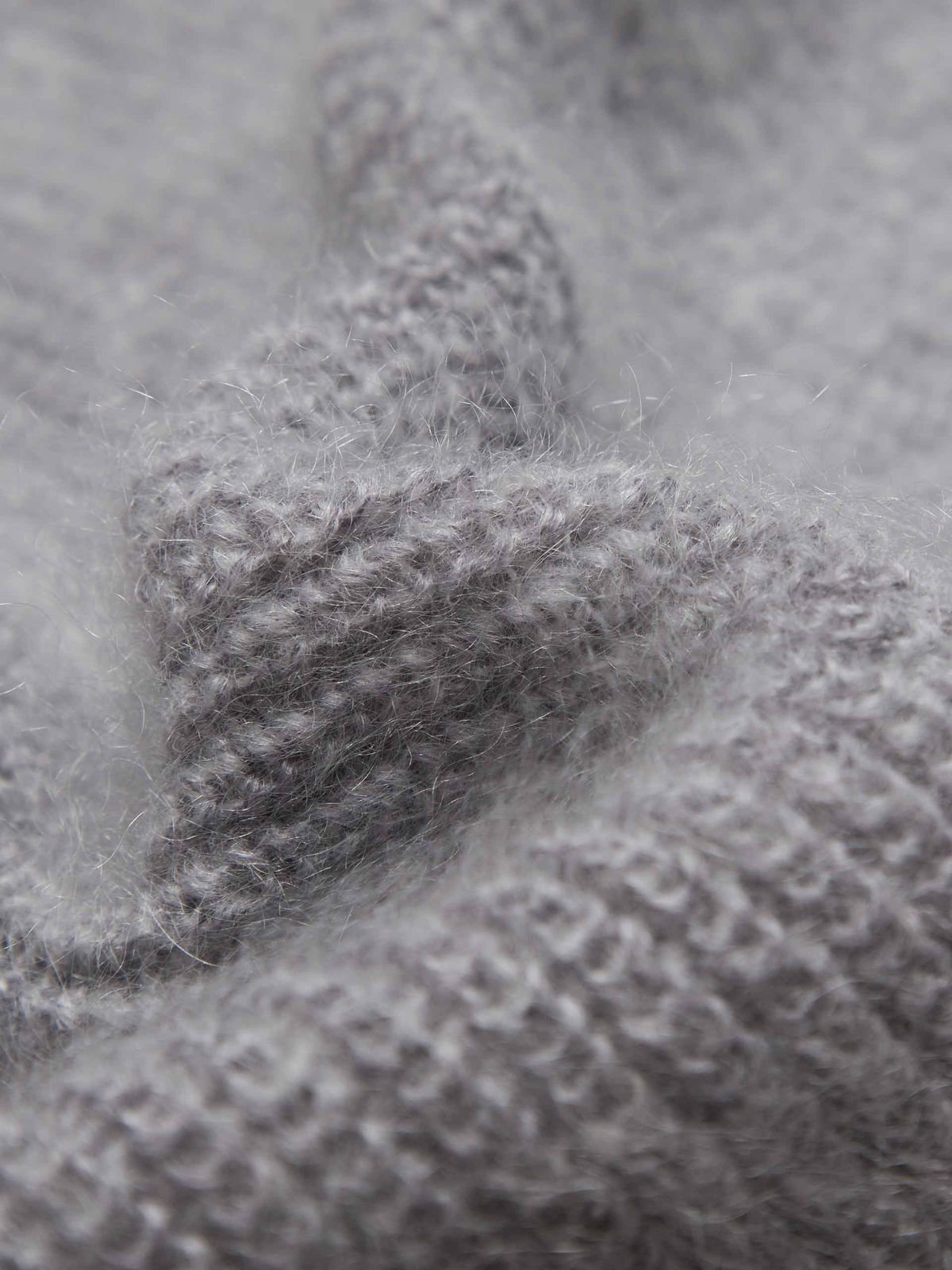
Kid mohair comes from the first shearing of an Angora goat. The fibers are 23–27 microns with a characteristic halo (fuzziness) that gives sweaters a soft, blurred look.
Not a primary fiber
Kid mohair is almost never used as the main fiber in a winter sweater. It’s too delicate and lacks structure. Instead, it’s blended:
- 70% kid mohair / 30% silk or merino — fuzzy, lightweight, warm
- 50% kid mohair / 50% merino — more structure, still fuzzy
Gauge
12-gauge or 14-gauge. The fuzzy fibers fill the gaps between stitches, so kid mohair sweaters look solid even at finer gauges. Fabric weight: 200–280 gsm — surprisingly light for how warm they feel.
Who buys it
Fashion-forward womenswear and menswear brands. Kid mohair sweaters have a distinctive look that photographs well. Not for basic crewneck programs.
Cost
Kid mohair sits in the premium range. Fewer mills stock it, so MOQs tend to be higher.
GTM search volume: “kid mohair knitwear” (niche, steady), “mohair sweater” (medium)
8. Yak wool — the emerging premium
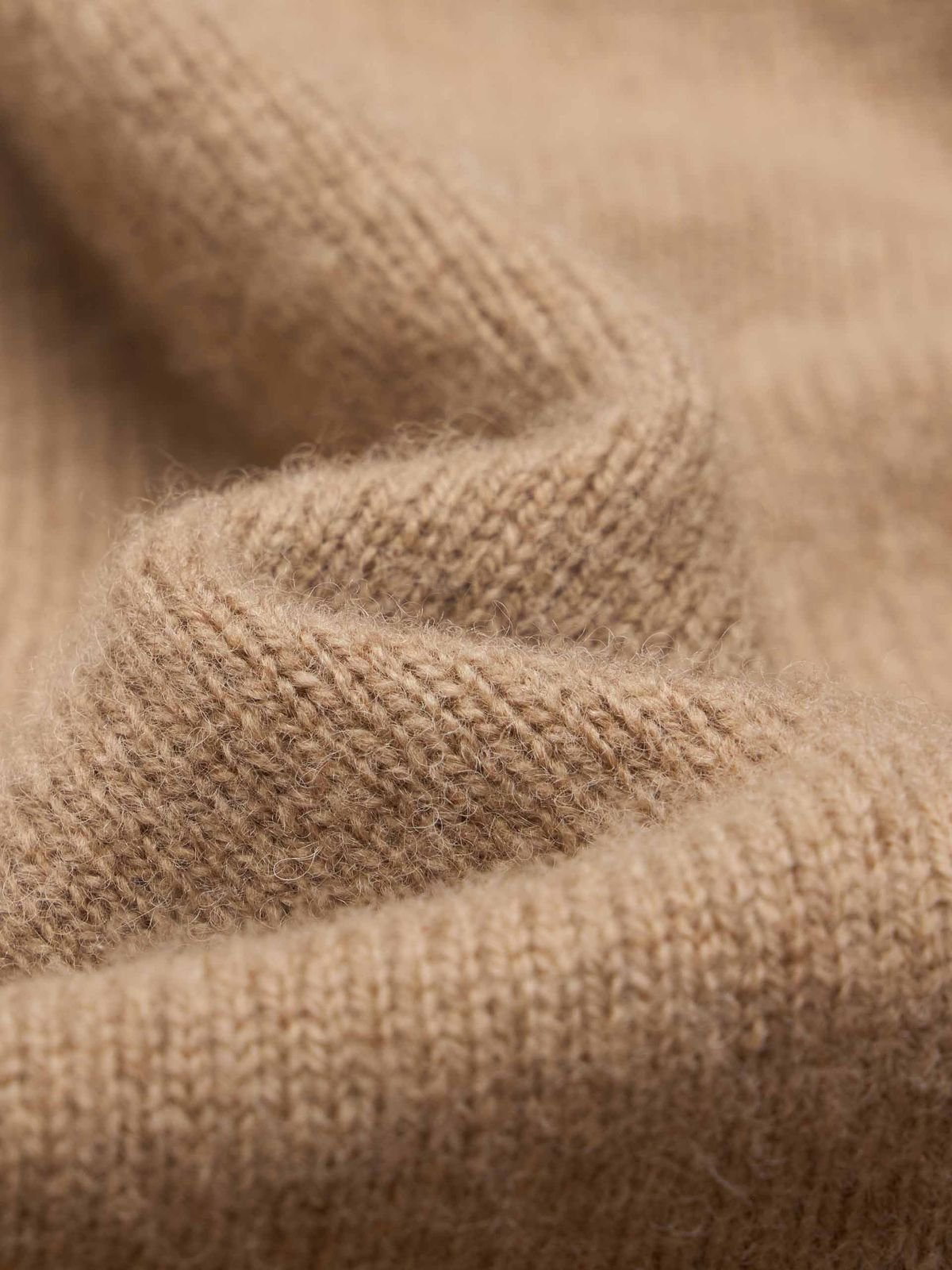
Yak down (the soft undercoat) has gained traction in premium knitwear over the last 3–4 years. It’s warmer than merino at the same weight, softer than cashmere for comparable micron counts, and the fibers don’t felt as easily.
The fiber
- Micron: 16–20 microns (fine yak down)
- Color: naturally dark brown to black — bleaching damages the fiber
- Production: ~100g per yak per year (rarer than cashmere)
Blends
- 50% yak / 50% merino — common. The merino adds elasticity, yak adds warmth and softness.
- 70% yak / 30% silk — luxury tier. Soft, warm, with a natural sheen.
Gauge
12-gauge is standard. Finer than 14-gauge is uncommon because the short yak fibers (28–32mm) can shed. Fabric weight: 260–320 gsm.
Cost and availability
Yak wool is premium-priced. Available from a limited number of mills (mainly Inner Mongolia and Nepal). MOQs tend to be higher due to limited supply.
GTM search volume: “yak wool knitwear” (growing), “yak cashmere blend” (emerging niche)
what changes between women’s and men’s winter sweaters
Women’s winter styles usually run at a finer gauge and a lighter fabric weight than the men’s version in the same fiber. A 12-gauge merino crewneck and a 7-gauge one knit from the same yarn are two different products — different drape, different warmth, different yarn consumption. The fiber spec doesn’t change. The gauge and the finished weight do.
Fit changes the pattern, and the pattern changes the yarn. A shorter body, a narrower shoulder, a longer sleeve and a higher armhole are all different panel shapes, and each one pulls a different amount of yarn. On a fully-fashioned machine the panels are knitted to shape, so the pattern gets recalculated instead of cut down. Several women’s silhouettes end up using more yarn than a men’s slim fit at the same gauge once the body or the sleeve runs longer.
Unisex is a grading decision, not a label. If one style is meant to sell to both, decide early whether you hold the chest and shorten the body, or keep the body and adjust the shoulder and sleeve. That decision changes the size chart, the panel widths, the yarn booking and how many samples get signed off. Lock it before the first sample — changing the grade after sampling usually means re-knitting panels.
What this means for brands and designers
- Gauge sets the season — A 7-gauge pullover in lambswool is a winter staple. A 12-gauge in merino is a fall layering piece. Don’t try to sell a 7-gauge for spring — it won’t move.
- Natural fibers need care labels — If your brand targets easy-care consumers, stick to superwash merino, lambswool, or acrylic blends. Cashmere, alpaca, and yak all need special handling.
- Commodity vs specialty — Lambswool and acrylic blends come from hundreds of mills with low MOQs. Cashmere, yak, and kid mohair are specialty — expect higher MOQs and extra lead time for yarn sourcing.
- Layer strategy wins — A mid-weight 12-gauge merino crewneck sells year-round if you market it as a layering piece. Pure winter garments (7-gauge chunky knits) have a 3-month selling window.
Know your retail price bracket, pick your fiber, then spec the gauge.
FAQ
What’s the warmest yarn for a winter sweater?
Alpaca is the warmest by weight (hollow fiber structure), followed by yak down, then merino wool. For pure warmth regardless of hand feel, a chunky 7-gauge in alpaca or merino will outperform everything else.
Is lambswool better than merino?
It depends on price point. Lambswool is more affordable and more durable, but merino is softer and more comfortable against skin. Lambswool is the standard for mid-range retail sweaters; merino for higher-end retail.
What yarn blend pills the least?
Pure cotton or cotton-dominant blends pill less than wool and acrylic. Among wool types, lambswool pills less than merino. Adding 10–20% nylon or polyamide to any wool blend significantly reduces pilling.
Can you knit a pullover from 100% cashmere?
Yes, but it’s expensive and requires dry cleaning. Most brands use cashmere blends (50–70% cashmere with silk or merino) to balance cost and care requirements.
What’s the most cost-effective fiber for winter knitwear?
A 50/50 acrylic-wool blend. It’s budget-friendly for a bulky warm pullover. For a step up in quality, lambswool gives a much better product for a moderate price increase.
Is cotton yarn good for sweaters?
Not for deep winter. Cotton has no crimp and no loft, so it traps less air than wool and a cotton sweater feels dense rather than warm. It suits mid-season and mild-winter styles. If you want cotton in a winter program, use a cotton-wool blend: the 50% cotton / 50% merino mix knits at 12-gauge in the 250–320 gsm range, keeps the easy-care hand feel, and the wool adds the insulation cotton can’t.
Which wool is warmest for winter sweaters?
Alpaca is the warmest by weight — the fiber is hollow, so it traps air. Yak down comes next, then merino. Gauge matters as much as fiber. A 7-gauge merino at 400–500 gsm is warmer than the same yarn knitted finer at 280–350 gsm, because there’s more fiber and more trapped air in the fabric. Pick the fiber for warmth, then pick the gauge for how much warmth the style actually needs.