


Knitwear isn’t just for the cold season. In the hot summer, choosing 100% linen or linen blends can inject a relaxed yet sophisticated vacation vibe into menswear collections.
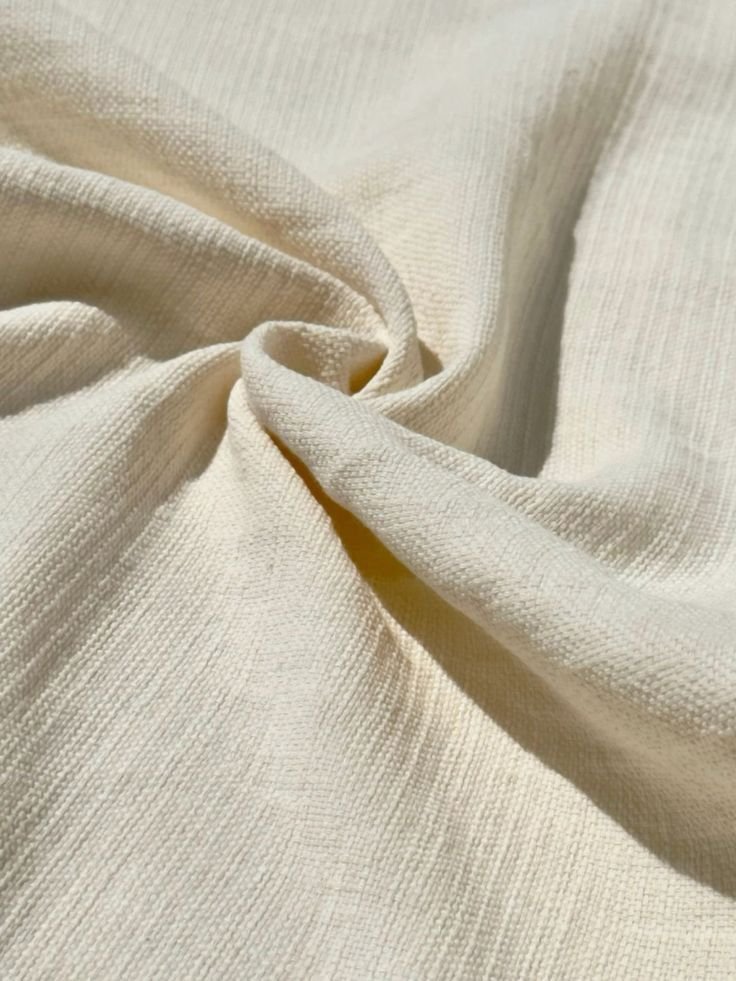
What is knitted linen?
Unlike common woven linen fabrics (such as shirts), feeding linen yarn into a flat knitting machine retains the cool properties of linen while giving the garment better mechanical elasticity and drape.
Core features
Dry & Crisp Handfeel: Linen fibers have an excellent moisture-wicking ability, so they will never stick to the skin when you sweat, and will always keep you feeling cool and comfortable.
Natural Texture: Linen has a slightly grainy texture and natural tiny wrinkles, which is its unique charm that distinguishes it from industrially produced smooth fabrics.
Highly Breathable: The special structure of the fiber makes it a natural “air-conditioning fabric”.
Suitable process
Pointelle/Mesh: Linen yarn combined with openwork perforation weave maximizes airflow, creating highly breathable Cuban collar polo shirts or beach blouses.
Loose Gauge Jersey: By reducing the weave density, the garment exhibits a relaxed, sheer, and draping feel.
Why linen works in knitwear (not just wovens)
Most buyers meet linen as a woven shirting fabric: flat, crisp, no give in any direction. Knitted linen is a different material. A knit is built from interlocking loops rather than interlaced warp and weft, so the cloth can stretch, recover part of that stretch, and drape around the body instead of standing away from it.
What changes when linen is knitted? Stretch first. A woven linen shirt has no mechanical give, which is why it creases sharply at the elbow. A knitted linen polo moves with the wearer and creases in soft folds. Then openness: knit structure lets you build air into the cloth through mesh, pointelle and dropped stitches, so the fabric breathes in a way a plain woven can’t. Weight changes too. A 14GG knitted linen is far lighter than a shirting-weight woven.
The fibre’s own behaviour keeps what buyers like: linen conducts heat and moves moisture, so it feels cool and dry against the skin, and it softens with washing. What you give up is stability. Knitted linen can skew, relax and shrink more than a woven, so plan for it in sampling. When weighing fibres for the same summer silhouette, the comparisons in cotton vs wool knitwear carry over to warmth, moisture and care.
Linen on its own vs linen blends
| Blend | What it fixes | Best suited to |
|---|---|---|
| 100% linen | Maximum dry hand and the strongest linen character | Summer polos, loose vests, beach shirts for brands that want the real linen look |
| Linen/cotton | Adds body and a smoother surface, improves knitting stability, reduces cost versus pure linen | Volume polos, tees and lightweight sweaters |
| Linen/viscose | Adds drape, softness and recovery; takes the edge off the straw hand | Drapey tops, openwork, women’s summer knits |
| Linen/silk | Adds sheen, strength and a smoother surface; less slub | Premium summer knitwear, resort wear, higher-end polos |
Pure linen is the most honest version of the fibre and the hardest to knit well. Linen yarn has low elasticity, so it breaks more under tension, and natural slubs show clearly on a clean surface. A blend is a fix for a specific problem. Cotton adds strength and a rounder hand. Viscose adds drape and softness. Silk adds sheen and helps the yarn survive finer gauges. For a wider look at warm-weather yarns, see yarn choices for lightweight knitwear.
The blend decision drives everything after it: yarn count, gauge, machine settings and the wash programme. Decide what the garment has to do, then pick the blend that gets you there.
The gauge and yarn count question
Linen is usually knitted at fine gauges, mostly in the 12GG–16GG territory. The reason is simple. Coarse gauges need thicker yarn, and thick linen yarn is stiff, weak and heavy. It breaks more often on the machine, the slubs become large and uneven, and the resulting cloth loses the drape that makes knitted linen worth doing. At 12GG you get a more structured, slightly heavier summer knit. At 14GG and finer, the fabric gets lighter, smoother and better suited to mesh and pointelle.
Yarn count has to match the gauge and the stitch structure. A finer machine head needs a finer, usually plied yarn, and linen blends are often spun with a higher twist than cotton to survive knitting tension. Most linen sampling problems start here, so read 12GG vs 14GG knitwear before committing to a target weight.
Coarse gauges and linen rarely work together for another reason. Knits at 3GG, 5GG or 7GG depend on yarn bulk for shape, and linen doesn’t have the elasticity to spring back after the machine releases the loop. Blended with cotton or viscose, thicker linen yarns can be workable, but the result is heavier and more rustic. If the design needs a chunky look, that’s usually a cotton or wool job. Start with what GG means in knitwear if needle count isn’t familiar to your team.
Production problems with linen (and how to avoid them)
Linen brings a predictable set of issues into a knitwear run.
- Yarn breakage. Linen has almost no stretch, so it can’t absorb machine tension the way wool or acrylic does. Test the yarn lot on the actual machine before bulk and keep tension soft.
- Uneven slubs. Natural slubs are part of the fibre. Either accept them as character and agree a tolerance, or choose a smoother combed yarn and accept the higher cost position.
- Shrinkage after wash. Linen shrinks with heat and moisture, and the knit structure relaxes as well. Wash the sample panel with the bulk programme, then set measurements from the washed result.
- Seam slippage. Linen fibres are smooth and low-friction, so cut edges can slip at seams. Linking is generally more secure than an overlocked seam on a knit, and seam construction should be checked on the sample, not assumed.
- Creasing in transit. Flat-packed linen knits crease in the carton. Tissue layers and folding along the knit lines reduce it, and most of the crease releases after a short steam at the retail end.
What a brand should test on the washed panel: measurement before and after wash, spirality or twisting, surface appearance and pilling, colourfastness on dyed yarns, and how the seam behaves when stretched. Put those checks into the sample approval instead of discovering them on bulk goods. Our sampling and production lead times breakdown shows where those tests sit in the schedule.
Summer knitwear beyond linen
Linen is a strong signature fibre, but most summer knit programmes work better with more than one yarn. Cotton carries the volume: combed and mercerised cotton knits cleanly at 12GG–18GG, holds colour well and suits polos, tees and lightweight sweaters. Cotton/silk adds a soft sheen for higher price points without moving into wool territory.
Tencel, lyocell and viscose blends bring drape and a cool hand. They’re often blended with linen or cotton to improve recovery and soften the surface, which makes them a good fit for openwork and women’s summer knits. They’re less stable in the wash than cotton, so the care label and the wash test both matter more.
Fine merino covers cool evenings at the edge of the season. Knitted at 16GG–18GG, it’s light enough for summer travel and regulates temperature in a way cotton can’t. Fine gauge vs heavy gauge knitwear is a useful reference for building that range.
Building a season across three fibres gives customers a real choice in weight, price position and hand-feel. Each new fibre adds sampling and yarn booking time, so group colours and test panels by fibre rather than treating every style as its own project.
Launch your summer linen collection
High-quality linen yarn is prone to breakage during weaving, requiring a high level of equipment setup and production experience from the factory. Lewen Garment specializes in handling various types of cool summer yarns, helping you create the perfect summer knitwear collection.