

If you’re sourcing knitwear and you’ve seen “7 gauge” or “12 gauge” on a spec sheet without knowing what it means for the yarn, you’re not alone. Gauge and yarn count are the two numbers that decide how a sweater looks, feels, and holds up. They need to match.
This guide covers which yarn counts work on which machine gauges, why it matters, and what to look for when you get a quote.
What we mean by gauge and yarn count
Machine gauge (GG) is the number of needles per inch on the knitting machine — if the term is new to you, what GG means in knitwear walks through the full 3GG to 18GG scale. A 3GG machine has 3 needles per inch. An 18GG has 18. Higher gauge = more needles = finer knit.
Yarn count (Nm, metric count) tells you how thick the yarn is. 1 Nm means 1,000 meters of yarn weighs 1 kilogram. Higher Nm = finer yarn.
Multi-ply yarns are common in knitting. A 2/48 Nm yarn uses two strands of 48 Nm twisted together. The total thickness is roughly the same as a single yarn of 24 Nm. Understanding this helps you compare specs across different factories.
The rule: fine yarn needs a fine machine. Thick yarn needs a coarse machine. If you put a heavy yarn on a fine machine, the fabric jams. If you put a thin yarn on a coarse machine, the stitches look loose and the fabric doesn’t hold structure.
The gauge and yarn count below are for reference only. Not every garment will strictly adhere to these requirements. Please consult us for details.
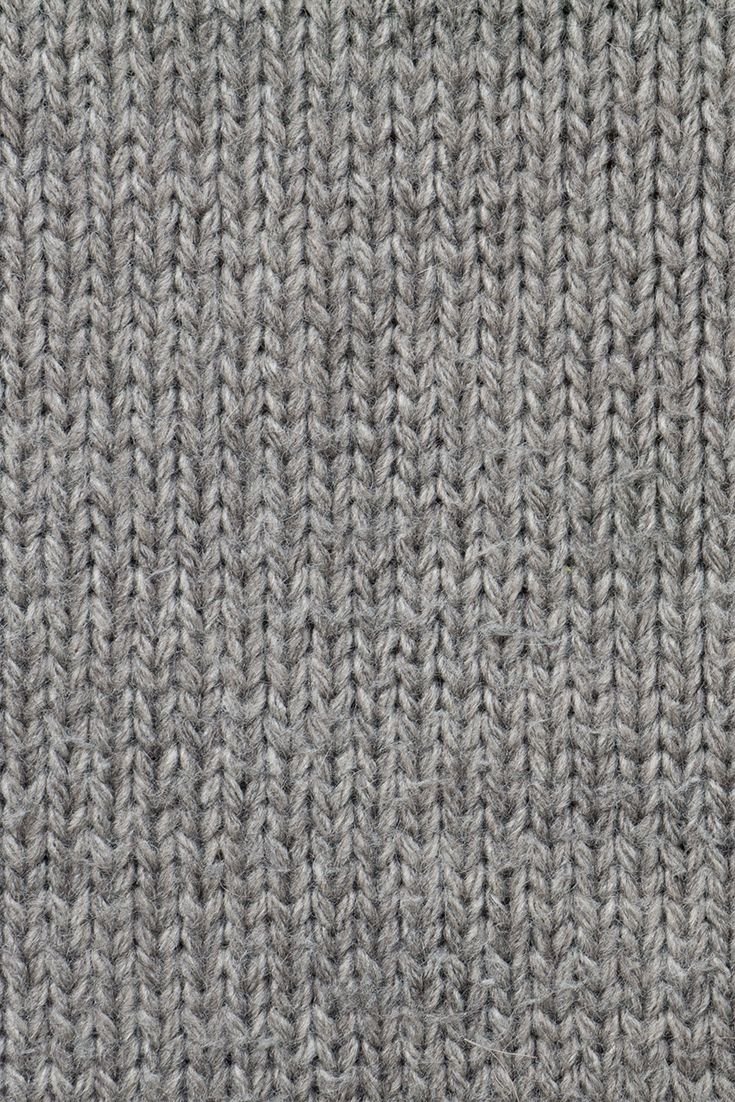
3GG
Used for the heaviest knits — chunky sweaters, thick cardigans, hand-knit look styles.
- Yarn spec: 4 to 5 strands of 15 Nm (4/15 Nm to 5/15 Nm)
- Rough single-ply equivalent: 1/6 Nm to 1/3 Nm
- Loop length: about 12-15 mm
These are very thick yarns. The fabric is open and textured. Good for oversized silhouettes and heavy outerwear.
5GG
Mid-heavy knits. Think cable knits, aran-style patterns, and structured sweaters.
- Yarn spec: 2 to 4 strands of 20 Nm (2/20 Nm to 4/20 Nm)
- Rough single-ply equivalent: 1/9 Nm to 1/5 Nm
A common configuration is 4 strands of 26 Nm. This gives a clean stitch definition with enough body for cable and texture patterns.
7GG
One of the most versatile coarse gauges. Used for classic sweaters, polo knits, and casual pullovers.
- Yarn spec: 2 to 3 strands of 26 Nm (2/26 Nm to 3/26 Nm)
- Rough single-ply equivalent: 1/14 Nm to 1/8 Nm
7GG is popular because it balances texture and shaping. Coarse enough for visible stitch patterns, fine enough for clean collar and cuff details.
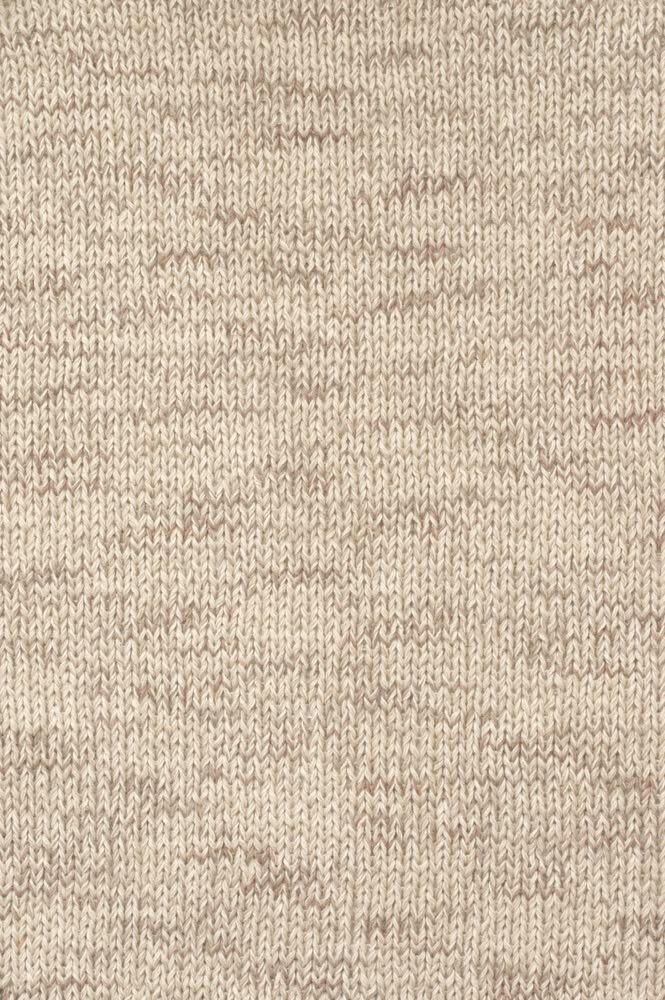
9GG
A step up from 7GG. Used when you want a denser fabric but still some stitch definition.
- Yarn spec: 2 strands of 26-36 Nm (2/26 Nm to 2/36 Nm)
- Rough single-ply equivalent: 1/13 Nm to 1/18 Nm
Good for intarsia patterns, structured knits, and designs that need a bit more body than 12GG can give.
12GG
The most common gauge in knitwear production. Daily wear sweaters, light cardigans, crewnecks — most of what you see on shelves runs on 12GG. When the choice is between the two workhorse gauges, 7GG vs 12GG knitwear compares weight, drape and cost side by side.
- Single-ply spec: 1/24 Nm to 1/36 Nm
- Plied spec: 2/48 Nm, or 2-3 strands of 60 Nm (2/60 Nm to 3/60 Nm)
- Loop length: roughly 6-8 mm
The 2/48 Nm option gives a rounder, stronger yarn with less pilling compared to a single of similar thickness. The 2-3/60 Nm option is for lighter weight pieces.
12GG is the default choice for most brands. The yarn range is wide, production speed is good, and the fabric is dense enough for clean lines.
14GG
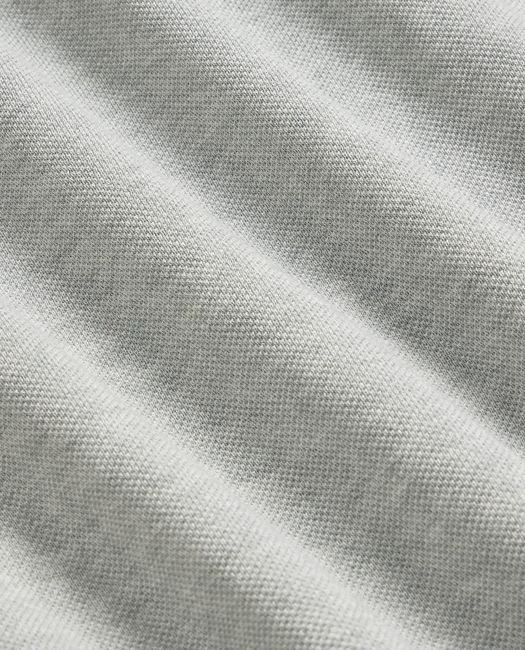
Fine gauge. Produces smooth, lightweight knits for base layers and fine merino sweaters. The step up to extra-fine is compared in 12GG vs 14GG knitwear.
- Yarn spec: 1/36 Nm to 1/48 Nm
- This is where the “luxury hand feel” starts
Good for next-to-skin wear and fine polo necks.
16GG
Finer still. Used for thin jerseys, summer knitwear, and layering pieces.
- Yarn spec: 1/48 Nm to 1/68 Nm
The fabric is smooth and drapes well. Common for high-gauge merino and lightweight cashmere blends.
18GG
Superfine. Used for dress knits, high-end merino shirts, and silk-cotton blends.
- Yarn spec: 1/60 Nm to 1/80 Nm
- Loop length: roughly 4-5 mm
The fabric is compact and almost jersey-like. 18GG is the go-to for premium knitwear that needs a clean, smooth surface.
Quick reference table
| Machine gauge | Yarn spec (as used) | Single-ply equivalent |
|---|---|---|
| 3GG | 4/15 – 5/15 Nm | ≈ 1/6 – 1/3 Nm |
| 5GG | 2/20 – 4/20 Nm | ≈ 1/9 – 1/5 Nm |
| 7GG | 2/26 – 3/26 Nm | ≈ 1/14 – 1/8 Nm |
| 9GG | 2/26 – 2/36 Nm | ≈ 1/13 – 1/18 Nm |
| 12GG | 1/24 – 1/36 Nm, 2/48 Nm, 2-3/60 Nm | varies |
| 14GG | 1/36 – 1/48 Nm | — |
| 16GG | 1/48 – 1/68 Nm | — |
| 18GG | 1/60 – 1/80 Nm | — |
Why a mismatch causes problems
Three things happen when the yarn and gauge don’t match.
- Fabric instability. If the yarn is too thin for the gauge, stitches don’t lock properly. The fabric stretches, loses shape, and the seams can pull.
- Machine damage. If the yarn is too thick, it jams the needle hooks or breaks the latches. Needle replacement costs add up fast.
- Poor hand feel. Even if the fabric knits, an off-match gives rough texture, uneven tension marks, or gaps in the stitch structure.
That’s why factories ask for yarn specs before confirming a gauge. It’s not gatekeeping — it’s physics. If you are still deciding which end of the range suits the product, fine gauge vs heavy gauge knitwear maps the two families.
What this means for buyers
1. Pick the gauge first, then the yarn
Start with the target weight and feel. If you want a chunky oversized sweater, that’s 3GG/5GG. If you want a thin base layer, that’s 14GG-18GG. Then pick a yarn count that works on that gauge.
2. Multi-ply changes the math
A 2/48 Nm yarn behaves differently from a 1/24 Nm single, even though the thickness is similar. Two-ply yarns are rounder, stronger, and less prone to pilling. Most mid-to-fine gauge work uses plied yarns.
3. Ask for a knitting test
If you’re unsure, ask for a small sample piece on the target gauge. A 30cm x 30cm swatch tells you stitch definition, hand feel, and whether the tension works. The cost is minimal, and it saves a whole production run.
4. MOQ varies by gauge
Coarse gauge machines (3GG-7GG) are slower and use more yarn per piece, so MOQs tend to be lower — 50-100 pieces is common. Fine gauge machines (14GG+) run faster and use less yarn, so factories usually ask for 200-300 pieces minimum.
FAQ
What’s the difference between Nm and Ne?
Nm (metric count) is meters per gram. Ne (English count) is 840-yard hanks per pound. For knitwear, Nm is the standard in Asia and Europe. Ne is more common in the US. A rough conversion: 1 Ne ≈ 1.69 Nm.
Can you knit cotton on a 12GG machine?
Yes, but the yarn count needs to be right. For 12GG, cotton should be around 2/48 Nm or 1/30 Nm range. Cotton has less stretch than wool, so the tension settings are different.
What gauge is best for summer knitwear?
14GG to 18GG, with yarn counts from 1/36 Nm upwards. The finer the fabric, the more air it lets through.
Does a higher gauge always mean better quality?
No. Quality depends on yarn quality, finishing, and construction — not just gauge. A 12GG sweater made with good yarn can outlast an 18GG sweater made with poor yarn.
How do I check which gauge a factory has?
Ask directly. Most factories list their available gauges in their capabilities sheet. If they don’t have one, ask what GG numbers they run.