

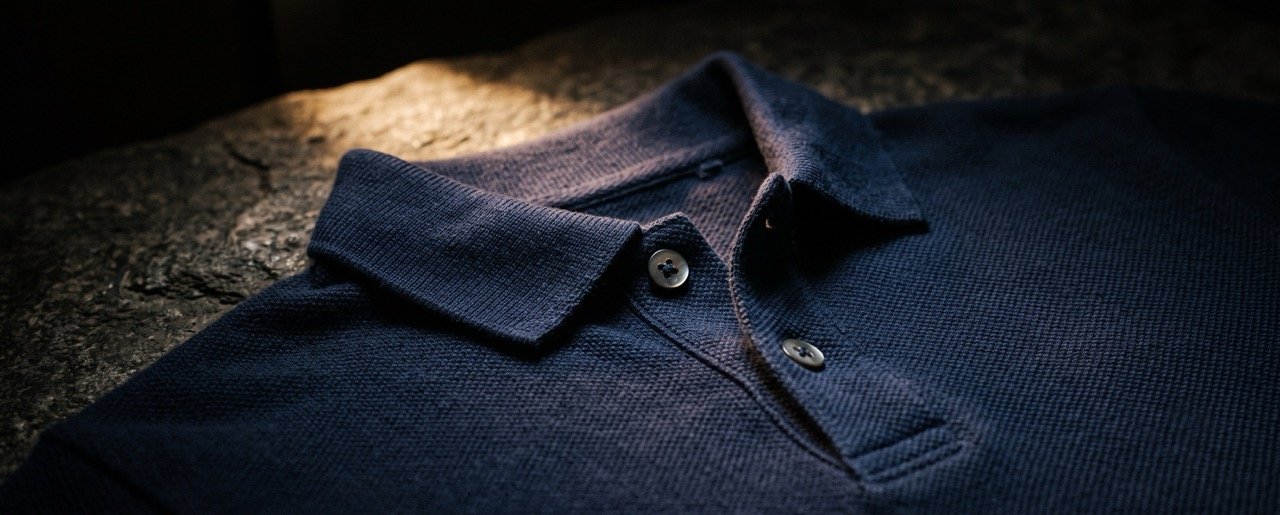
This is different from cut-and-sew polos. In fully-fashioned knitwear, the front, back, and sleeves are knitted to shape on flatbed machines — no fabric rolls, no cutting. The yarn goes from cone directly into a garment piece. So the material choice isn’t about fabric weight (gsm), it’s about yarn count, gauge, and knit structure.
Here’s what you can actually run on a flat knitting machine for polo knitwear.
1. Single jersey — lightweight, the base option
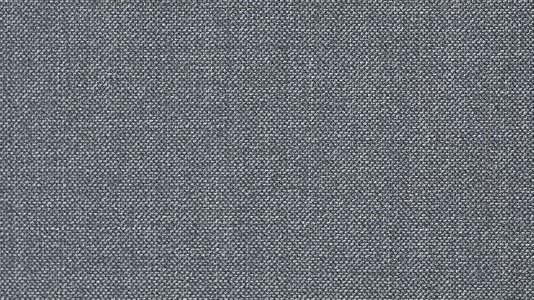
On a flat machine, single jersey is a plain knit with all needles knitting. One side is smooth (technical face), the other has the purl bumps.
What it does:
- It’s the thinnest construction you can get on a flat machine. Fine gauges (12-18gg) give you a polo that feels more like a light knit shirt than a sweater.
- It drapes well. Less structure means it follows the body.
- It uses less yarn per garment. Lower material cost.
Yarn specs that work:
- 2/48Nm or 2/60Nm cotton for 12-14gg
- 2/80Nm mercerized cotton for 16-18gg
- Yarn consumption: roughly 180-220g per adult polo at 12gg
What to watch for: Single jersey curls at the edges. The hem and collar need proper ribbing to stop it rolling. Not all factories handle the edge curl well on fully-fashioned shaping.
2. Interlock — stable, clean, mid-weight
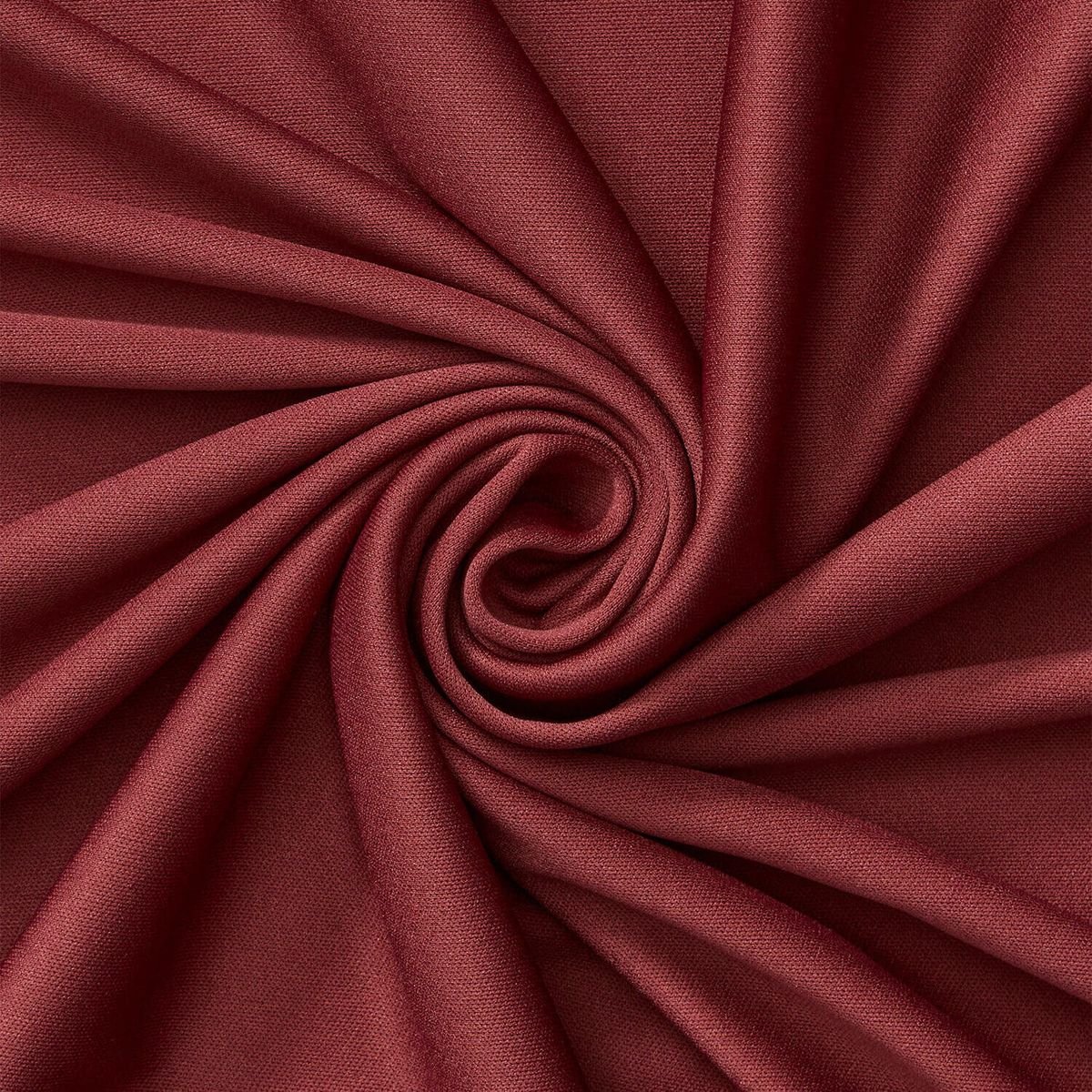
Interlock is two layers of jersey knitted together. The front and back are identical — both smooth, no curl.
Why it works for polos:
- No edge curl. Interlock stays flat. That means cleaner hems and plackets without extra processing.
- Both sides look good. You can wear it inside out and it looks the same. Some brands use this for color-block designs.
- More stable than single jersey. The doubled structure holds its shape better.
Typical specs:
- 2/48Nm or 2/52Nm cotton or cotton blend for 12gg
- 2/60Nm-2/80Nm for 14-16gg
- Yarn consumption: 250-320g per adult polo (heavier than single jersey)
- Production speed: about 40-50 minutes per piece on 12gg
Cost note: Interlock knits slower than single jersey. About 15-20% more knitting time per piece. But it saves on finishing because there’s no curl to fix.
3. Milano rib — structured, the polo classic
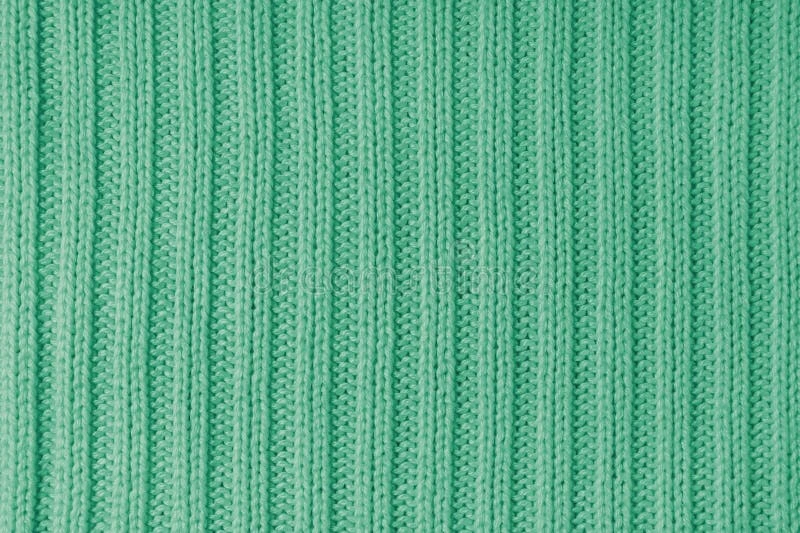
Milano rib is a 1×1 rib with an extra tuck or miss course that creates a stable, structured fabric. It’s the flat-knit equivalent of pique. Looks similar, behaves different.
Structure:
- Made on a flat machine with needle selection
- Alternating tuck and knit sequences create the textured surface
- The fabric has thickness without being heavy
Why brands pick it for polos:
- It holds a collar naturally. Milano rib has enough body that the collar stays crisp without heavy interfacing.
- The surface looks neat. Not as fine as interlock, not as casual as single jersey.
- It doesn’t curl. Like interlock, the structure is balanced.
- It works in mid-gauges (7-12gg) that give a sweater-weight polo.
Spec guidance:
- 7gg: 2/28Nm or 2/32Nm cotton — heavier, sweater-like polo
- 10gg: 2/36Nm or 2/40Nm — balanced, the most popular gauge for this structure
- 12gg: 2/48Nm — lighter, closer to a dress shirt feel
- Yarn consumption: 280-350g per adult polo at 10gg
Production note: Milano rib needs more machine time than single jersey. The tuck sequences slow the carriage. Expect about 20-25% longer knitting time.
4. Links-links
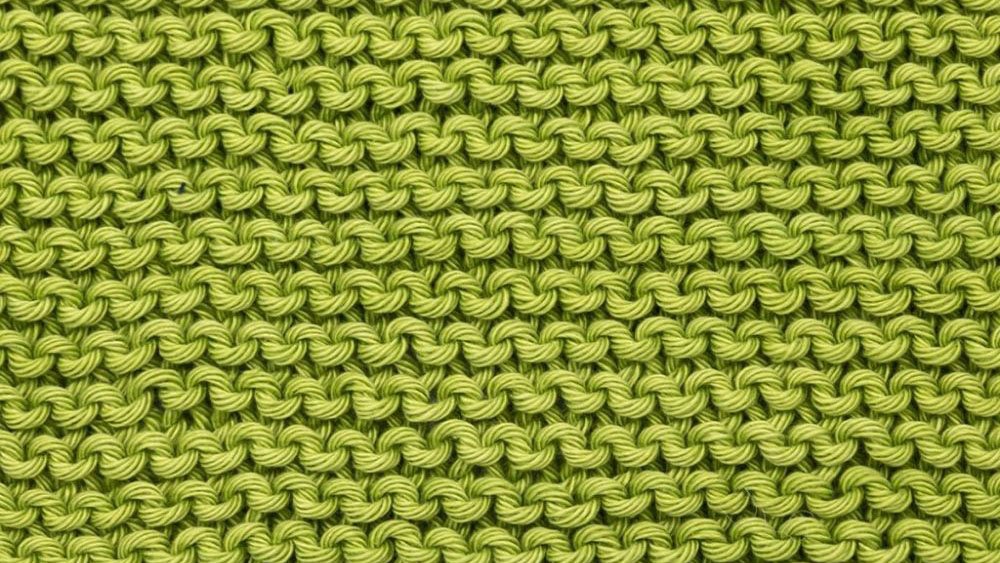
This is the flat-knit structure that creates a horizontal ridged texture on both sides. It’s called links-links because it uses both needle beds to transfer loops back and forth.
The look:
- Horizontal ridges across the fabric
- Reversible — both sides have the same texture
- Looks like a fine gauge cable-knit effect without the cable
- Heavier than Milano rib at the same gauge
Polo application:
- Works for fashion-forward polos. The texture gives visual interest without a pattern.
- The structure is elastic — it stretches and recovers well
- The collar needs careful trimming because the fabric doesn’t cut cleanly on the edges
Note: Links-links knits significantly slower than other structures. The stitch transfer action takes extra carriage passes. For a typical polo, expect 60-75 minutes per piece on 10gg.
5. Jacquard / intarsia — for patterned polos
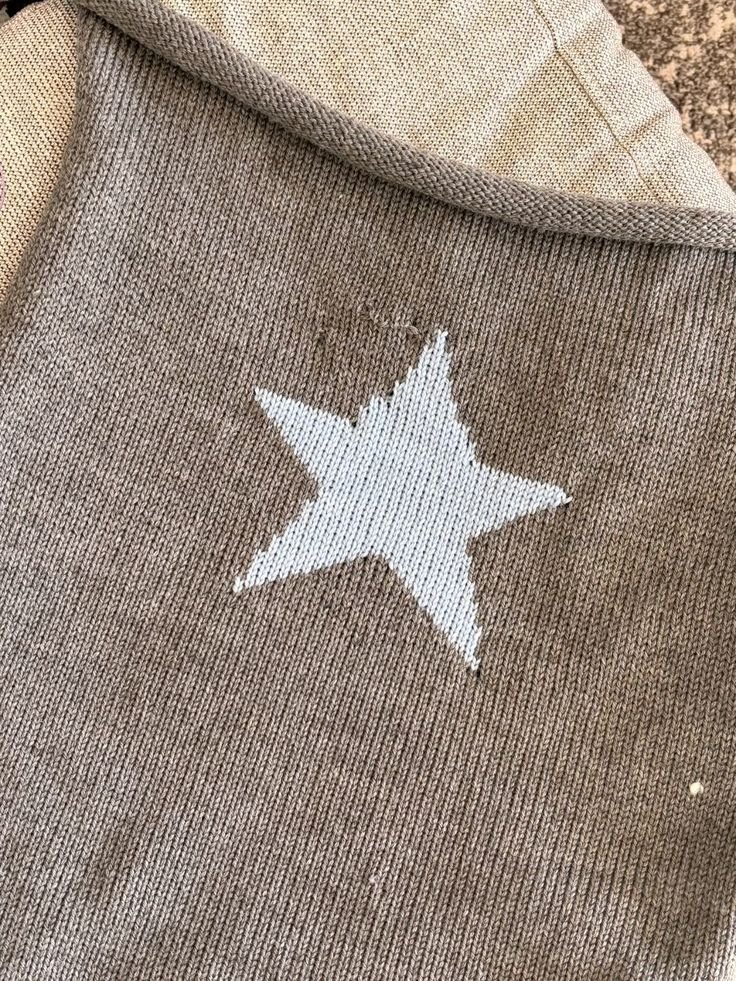
If the polo has a pattern — stripes, geometric, logo insert — it’s done with jacquard or intarsia on the flat machine.
Jacquard:
- The pattern is knitted into the fabric, not printed or embroidered
- Each color change needs a separate yarn carrier
- Both sides visible (in single jacquard) or pattern on face, floats on the back
- Maximum color count depends on the machine (usually 4-6 colors per course)
Intarsia:
- Used for large color blocks without floats
- Each color area is knitted separately and joined at the edges
- Common for polo stripes (horizontal or vertical)
- Slower than jacquard. Intarsia polos knit about 30-50% slower than solid-color
Limitations:
- Jacquard patterns add yarn wastage (the floats and color changes)
- Intarsia can’t do fine detail — use it for blocks, not logos
- Both need careful finishing at the placket and side seams
Cost reality: A jacquard or intarsia polo costs roughly 2-3x the knitting time of a solid Milano rib polo. That’s the main cost driver, not the yarn.
6. Structured ribs for collars and trims
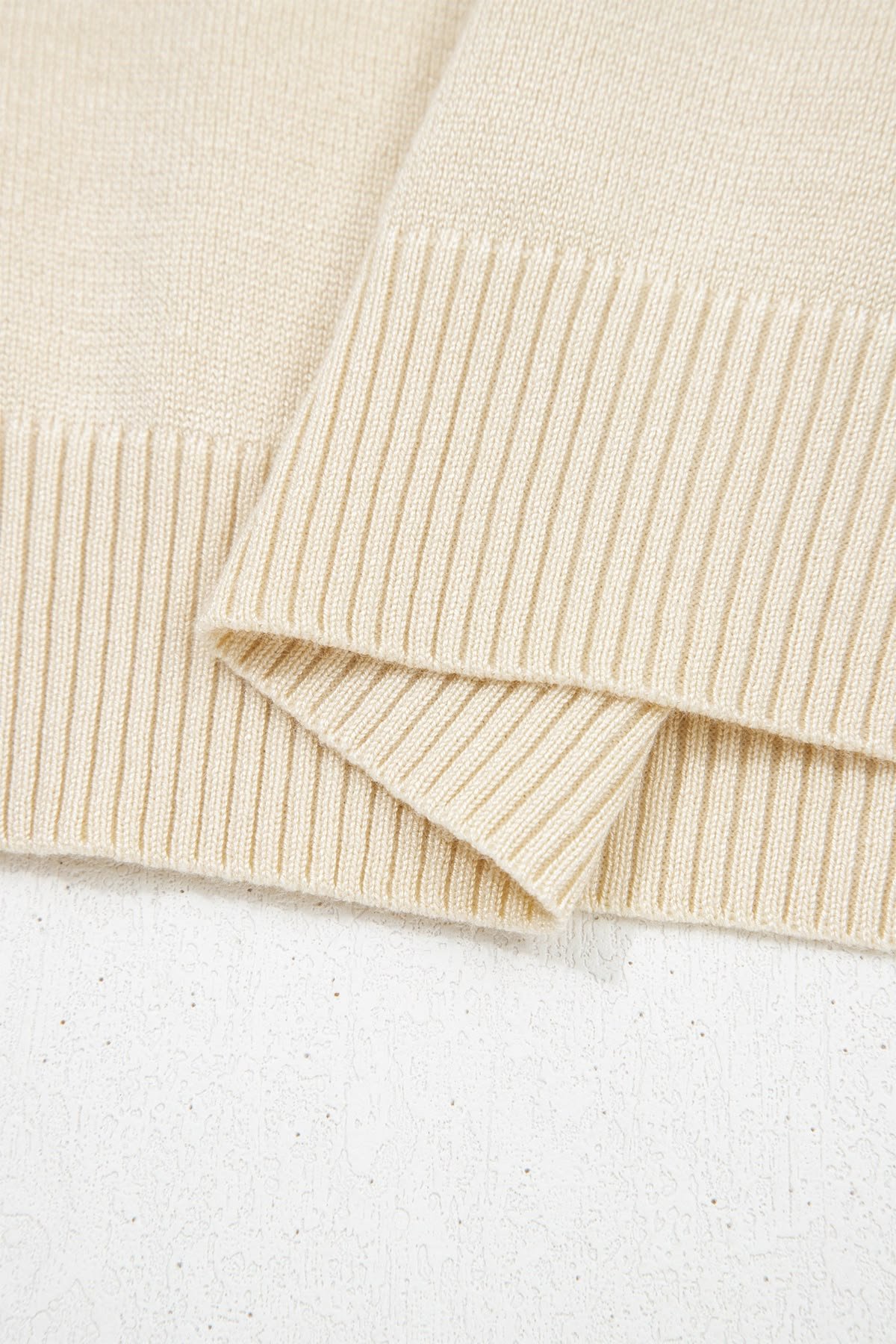
The collar, cuffs, and hem band on a knitted polo are usually knitted separately (unless it’s a seamless or whole-garment machine). The rib structure has to match the body fabric.
Common rib specs:
| Body structure | Recommended collar rib | Gauge |
|---|---|---|
| Single jersey (12-14gg) | 1×1 rib, 2×2 rib | 14-16gg (finer) |
| Interlock (12gg) | 1×1 rib or tubular | 14gg |
| Milano rib (10gg) | 2×2 rib or half-cardigan | 12gg |
| Links-links (10gg) | Cable or patterned rib | 10-12gg |
Key spec: The collar rib should be 1-2 gauges finer than the body. That gives the collar structure without looking bulky. If the collar rib matches the body gauge, it looks sloppy after a few washes.
Neck tape: Unlike cut-and-sew polos where the neck seam is covered with tape, fully-fashioned polos use a linked or looped join. The neck seam is smoother but needs more skill to execute well.
What this means for brands and designers
- Gauge determines everything — the yarn count and machine gauge decide the weight, feel, and look. A 7gg Milano rib polo is a completely different product from a 16gg single jersey polo. Decide your gauge first, then your structure.
- Knit structure changes knitting time — single jersey is fastest (~150 garments/week per machine), Milano rib medium (~120), links-links slowest (~80-100). Plan your production calendar around this.
- Collar rib needs separate spec’ing — don’t use the same yarn and gauge for the collar as the body. The collar needs a finer, tighter rib to keep its shape. Specify both independently.
- MOQ reality check — fully-fashioned knitwear MOQ is typically 200-300 pieces per style per color for flat knitting. The bottleneck isn’t the yarn, it’s the machine setup and pattern programming. Each new structure needs a new knitting program.
- Intarsia and jacquard add real cost — a simple striped polo can double the machine time. If your budget is tight, use solid colors or yarn-dyed stripes rather than knitted-in patterns.
FAQ
What’s the difference between a cut-and-sew polo and a fully-fashioned knitwear polo?
A cut-and-sew polo is made from fabric knitted on a circular machine, then cut into pieces and sewn together. A fully-fashioned knitwear polo is knitted to shape on a flatbed machine — the front, back, and sleeves are each knitted as complete pieces. The join is linked (loop-to-loop) rather than sewn. Fully-fashioned has less waste, a cleaner finish, and holds its shape longer.
What’s the best knit structure for a fully-fashioned polo?
Milano rib at 10-12gg is the most popular. It has the structure of pique, it doesn’t curl, it holds a collar well, and it knits at a reasonable speed. For a lighter polo, use interlock or single jersey at 14-16gg.
Can you make a polo on a flat knitting machine with a button placket?
Yes. The front placket is usually knitted as an extension of the front panel, with a separate piece knitted for the button band. Buttons are added during finishing. Whole-garment machines can knit the placket integrated into the panel.
What gauge is best for a knitted polo?
10-12gg is the most common range. It gives a weight comparable to a cut-and-sew pique polo (about 250-350g finished weight). 7gg gives a heavier, sweater-like polo. 14-16gg gives a fine, dressy polo.
How long does it take to program a new polo style on a flat knitting machine?
Pattern programming for a basic polo (solid color, Milano rib) takes about 2-4 hours. For an intarsia stripe polo, 6-10 hours. First sample usually takes 7-10 days from program start to finished garment.
What’s the yarn consumption for a fully-fashioned knitted polo?
Depends on structure and gauge: 10gg Milano rib: 280-350g. 12gg interlock: 250-320g. 14gg single jersey: 180-220g. 7gg Milano rib: 400-500g. These are per adult polo before wastage.